1. ArchDaily
  2. Decolonization

Decolonization: The Latest Architecture and News

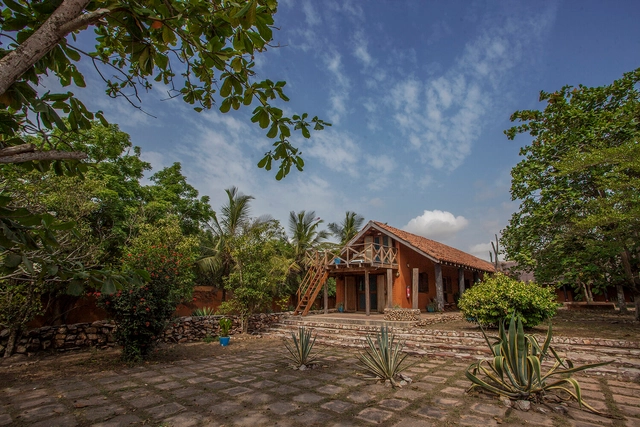
The First Pan-African Biennale Establishes a Platform for a Decolonized, African-Led Architectural Future

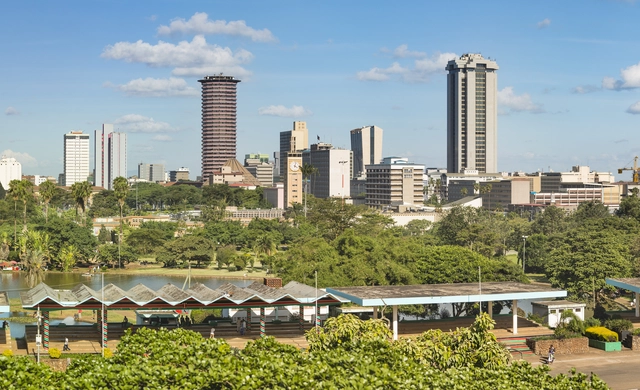
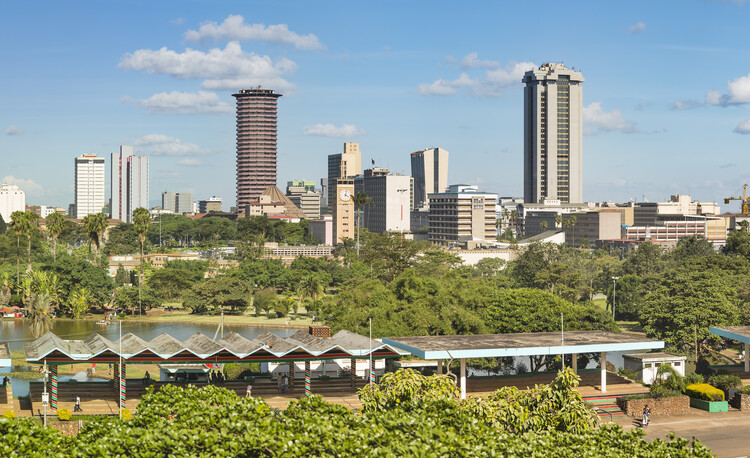
The Pan-African Biennale (PAB) is a platform for discussion and exchange on architecture, bringing together, for the first time, all countries in the African continent. To highlight African contributions to the field, it seeks to shift the narrative from one of fragility to one of resilience by raising awareness of the continent's traditions, design, culture, and collective memory. The inaugural one-week event is scheduled to take place in Nairobi, Kenya, launching on September 7, 2026. As the first architecture biennale of its kind on the continent and a highly anticipated event, the opening week will feature exhibitions, installations, keynote dialogues, and public events across the city and other satellite locations. Curated by Somali-Italian architect Omar Degan, the biennale aims to shift architectural discourse by expanding contributions from studios representing all 54 African nations, exhibiting work rooted in local contexts, materials, and cultural narratives.

The First Pan-African Biennale Establishes a Platform for a Decolonized, African-Led Architectural Future - Image 1 of 4The First Pan-African Biennale Establishes a Platform for a Decolonized, African-Led Architectural Future - Image 2 of 4The First Pan-African Biennale Establishes a Platform for a Decolonized, African-Led Architectural Future - Image 3 of 4The First Pan-African Biennale Establishes a Platform for a Decolonized, African-Led Architectural Future - Image 4 of 4The First Pan-African Biennale Establishes a Platform for a Decolonized, African-Led Architectural Future - More Images+ 9

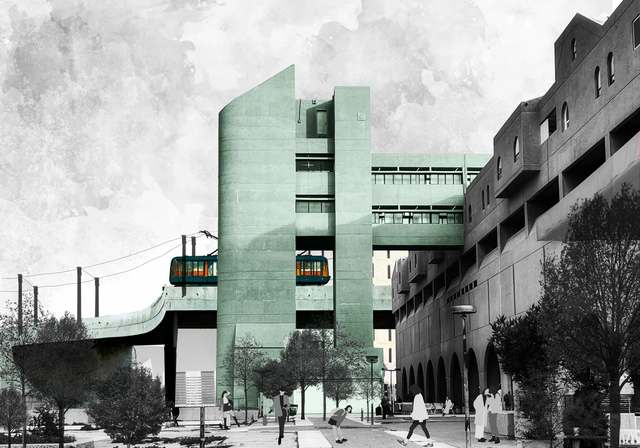
The Everyday Legacy of Indian Modernism: Building for the Post-Independence Middle Class

Subscriber Access | 

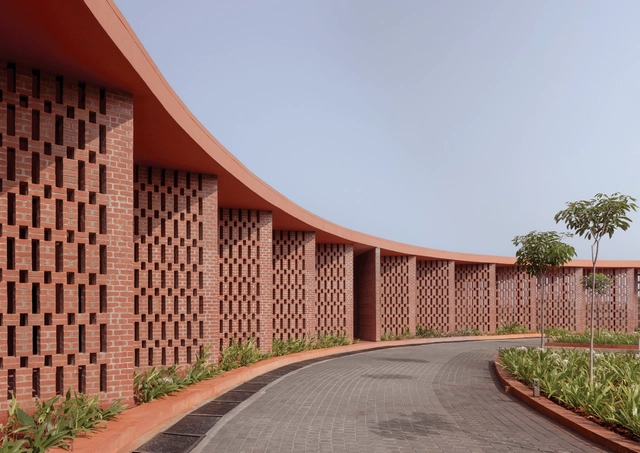
Indian modernism is often narrated through a narrow lens: a handful of iconic institutions, master architects, and formally radical experiments that came to symbolize the nation's post-Independence aspirations. Yet this version of history overlooks the far larger body of modernist architecture that quietly shaped everyday life across the country. Beyond celebrated campuses and canonical buildings exists a vast, dispersed landscape of housing blocks, offices, hostels, hospitals, markets, and townships — structures that were designed to function and endure.

The Everyday Legacy of Indian Modernism: Building for the Post-Independence Middle Class - Image 1 of 4The Everyday Legacy of Indian Modernism: Building for the Post-Independence Middle Class - Image 2 of 4The Everyday Legacy of Indian Modernism: Building for the Post-Independence Middle Class - Image 3 of 4The Everyday Legacy of Indian Modernism: Building for the Post-Independence Middle Class - Image 4 of 4The Everyday Legacy of Indian Modernism: Building for the Post-Independence Middle Class - More Images+ 6

Ancient Wisdom Meets Urban Reality: Vastu’s Role in Contemporary Indian Cities

Subscriber Access | 

India carries an ancient lineage of tradition that has long shaped the very conception and crafting of its cities. Vastu Shastra is one such tradition, more a science than a belief, intimately woven into the principles of architectural design. The practice remains widespread and highly regarded, with 93% of homes designed to align with Vastu principles. As India urbanizes at an unprecedented pace, projected to add 416 million city dwellers by 2050, Vastu Shastra continues to influence billions of real estate decisions amid the trials of modern city living. How might an 8,000-year-old spatial science evolve to guide the design of cities housing millions?

Ancient Wisdom Meets Urban Reality: Vastu’s Role in Contemporary Indian Cities - Image 1 of 4Ancient Wisdom Meets Urban Reality: Vastu’s Role in Contemporary Indian Cities - Image 2 of 4Ancient Wisdom Meets Urban Reality: Vastu’s Role in Contemporary Indian Cities - Image 3 of 4Ancient Wisdom Meets Urban Reality: Vastu’s Role in Contemporary Indian Cities - Image 4 of 4Ancient Wisdom Meets Urban Reality: Vastu’s Role in Contemporary Indian Cities - More Images+ 2

Reclaiming the Narrative: A New Generation of Museums in West Africa

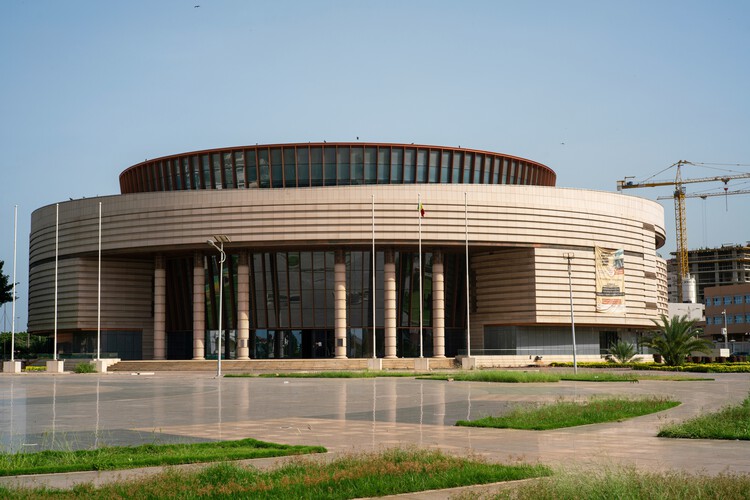
As countries in Africa emerged from colonialism in the mid-twentieth century, many expressed their independent identities through architecture. This process continues several decades later, exemplified by several new museums in West Africa, recently completed or in planning. Although varying in purpose and form, they have some common goals: addressing the need for restitution of many artifacts taken during colonialism and mostly kept in European museums; and defining a museum with local identity as opposed to a non-contextual import.

Reclaiming the Narrative: A New Generation of Museums in West Africa - Image 1 of 4Reclaiming the Narrative: A New Generation of Museums in West Africa - Image 2 of 4Reclaiming the Narrative: A New Generation of Museums in West Africa - Image 3 of 4Reclaiming the Narrative: A New Generation of Museums in West Africa - Image 4 of 4Reclaiming the Narrative: A New Generation of Museums in West Africa - More Images+ 12

September Editorial Topic: Architecture Without Limits

Architects today work across many worlds: from designing furniture, landscapes, and urban blocks to creating film sets, photographs, and videos. They restore and retrofit old buildings rather than build anew, while also writing, researching, and publishing. Some design virtual spaces for video games or speculate on habitats in outer space and underwater. Others engage directly with society through politics, activism, or community projects. Many experiment with biology, test new materials, and step into the role of scientist. Architects are decolonizing old narratives and decarbonizing the construction industry, and by weaving together personal passions with pressing social and environmental challenges, they are pushing the limits of the profession and expanding its scope.

With so many changes in the profession, especially in recent years, one may ask: How is the role of the architect evolving in response to global crises and shifting societal needs? In what ways can interdisciplinarity expand the scope and impact of architectural practice? And what skills beyond traditional design are becoming essential for architects in today's world?

From Fragility to Resilience: Curating the Inaugural Pan-African Architecture Biennale

Subscriber Access | 

A Pan-African Biennale of Architecture is planned for 2026 in Nairobi, Kenya. According to the curator, it "represents an unprecedented opportunity to reclaim Africa's architectural narrative, reasserting the continent's role as a global leader in urban resilience, sustainability, and cultural expression."

Omar Degan, the curator in partnership with the Architectural Association of Kenya, is a practicing architect, professor, and teacher. He leads an architecture office known as DO Architecture Group, which was established between Italy and Somalia—two places deeply connected to his identity. His work focuses on what he describes as "fragile contexts" around the world, including areas affected by natural disasters, refugee camps, slum upgrades, and underserved neighborhoods.

From Fragility to Resilience: Curating the Inaugural Pan-African Architecture Biennale - Image 1 of 4From Fragility to Resilience: Curating the Inaugural Pan-African Architecture Biennale - Image 2 of 4From Fragility to Resilience: Curating the Inaugural Pan-African Architecture Biennale - Image 3 of 4From Fragility to Resilience: Curating the Inaugural Pan-African Architecture Biennale - Image 4 of 4From Fragility to Resilience: Curating the Inaugural Pan-African Architecture Biennale - More Images+ 5

Improvised Aesthetics: The Appropriation of Grassroots Adaptive Reuse

Subscriber Access | 

Adaptive reuse has become a buzzword in the architecture industry. Framed as a sustainable and economical solution to urban decay, the practice has been adopted by cities facing pressures of climate change, real estate constraints, and cultural preservation. Architects are increasingly being hired to rehabilitate the old rather than build anew. Within this discourse is a growing sentiment towards who gets to reuse and how.

Improvised Aesthetics: The Appropriation of Grassroots Adaptive Reuse - Image 1 of 4Improvised Aesthetics: The Appropriation of Grassroots Adaptive Reuse - Image 2 of 4Improvised Aesthetics: The Appropriation of Grassroots Adaptive Reuse - Image 3 of 4Improvised Aesthetics: The Appropriation of Grassroots Adaptive Reuse - Image 4 of 4Improvised Aesthetics: The Appropriation of Grassroots Adaptive Reuse - More Images+ 3

Architecture and Coloniality: Brazilian Modernism in Critical Perspective

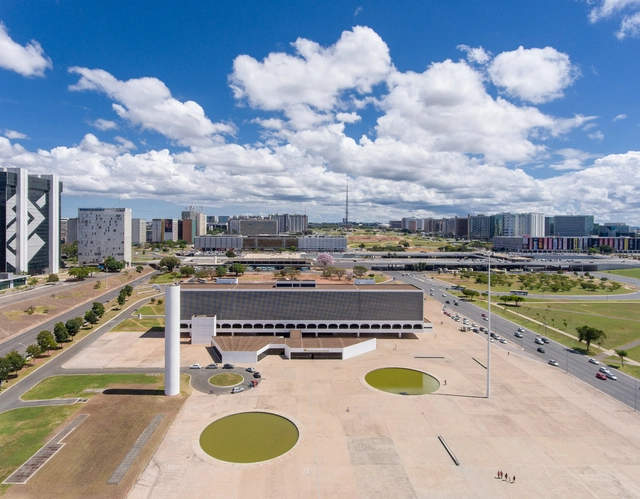
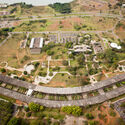
Brazilian modern architecture is often celebrated as a landmark of innovation and national identity, projecting the country onto the international stage with iconic works and a distinctive aesthetic. However, recent research and publications have highlighted its deep entanglement with colonial narratives, both in its influences and its social impact. Although modernism emerged as an attempt to break away from European academic traditions, it remained dependent on foreign references and incorporated strategies of domination that echoed colonial logic.

Architecture and Coloniality: Brazilian Modernism in Critical Perspective  - Image 1 of 4Architecture and Coloniality: Brazilian Modernism in Critical Perspective  - Image 2 of 4Architecture and Coloniality: Brazilian Modernism in Critical Perspective  - Image 3 of 4Architecture and Coloniality: Brazilian Modernism in Critical Perspective  - Image 4 of 4Architecture and Coloniality: Brazilian Modernism in Critical Perspective  - More Images+ 7

From Colonization to Le Corbusier: Was Modernism in India an Imposition or an Invitation?

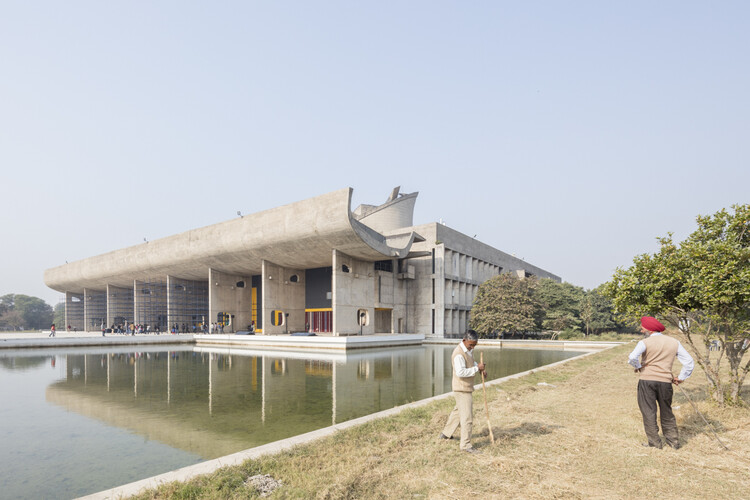
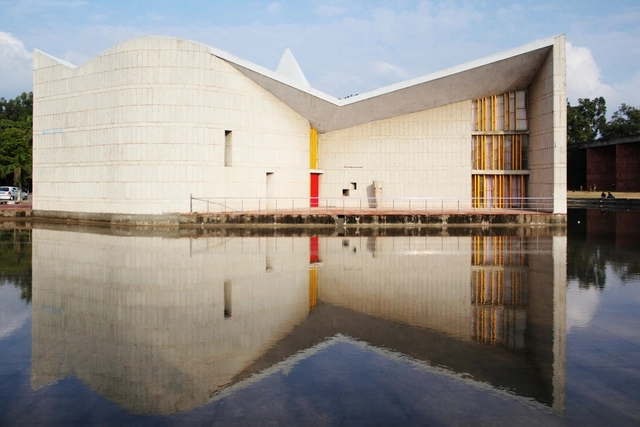
When India gained independence in 1947, the nation faced a decision that would determine the course of its architectural future: brick or concrete. A seemingly mundane choice of material was rooted in a deeper philosophical divide between two potential outcomes for post-colonial India's built environment. Pioneering figures in India's struggle for independence held opposing views - Mahatma Gandhi advocated for traditional craftsmanship while Jawaharlal Nehru embraced modernism. The architecture one sees in the subcontinent today is a mosaic of both, begging the question: was modernism in India a foreign imposition or a celebrated import?

From Colonization to Le Corbusier: Was Modernism in India an Imposition or an Invitation? - Image 1 of 4From Colonization to Le Corbusier: Was Modernism in India an Imposition or an Invitation? - Image 2 of 4From Colonization to Le Corbusier: Was Modernism in India an Imposition or an Invitation? - Image 3 of 4From Colonization to Le Corbusier: Was Modernism in India an Imposition or an Invitation? - Image 4 of 4From Colonization to Le Corbusier: Was Modernism in India an Imposition or an Invitation? - More Images+ 4

Architecture in South Asia: Transitions in Patronage, Practitioners, and Public Perception

Subscriber Access | 

South Asia has undergone notable transformations across economic, political, social, and various other spheres. Mirroring these patterns of societal change are the architectural practices across this region. The modern nation-states of South Asia – Afghanistan, Bangladesh, Bhutan, India, Maldives, Nepal, Pakistan, and Sri Lanka – share similar histories and a future characterized by rapid economic development and urbanization. However, each region exhibits distinct nuances concerning the present and potential state of architectural praxis, informed by their socio-cultural contexts and emerging political climates.

Architecture in South Asia: Transitions in Patronage, Practitioners, and Public Perception - Image 1 of 4Architecture in South Asia: Transitions in Patronage, Practitioners, and Public Perception - Image 2 of 4Architecture in South Asia: Transitions in Patronage, Practitioners, and Public Perception - Image 3 of 4Architecture in South Asia: Transitions in Patronage, Practitioners, and Public Perception - Image 4 of 4Architecture in South Asia: Transitions in Patronage, Practitioners, and Public Perception - More Images+ 4

Amazonian Cities: What It Is Like to Live Close to the Largest Tropical Rainforest on the Planet

Subscriber Access | 

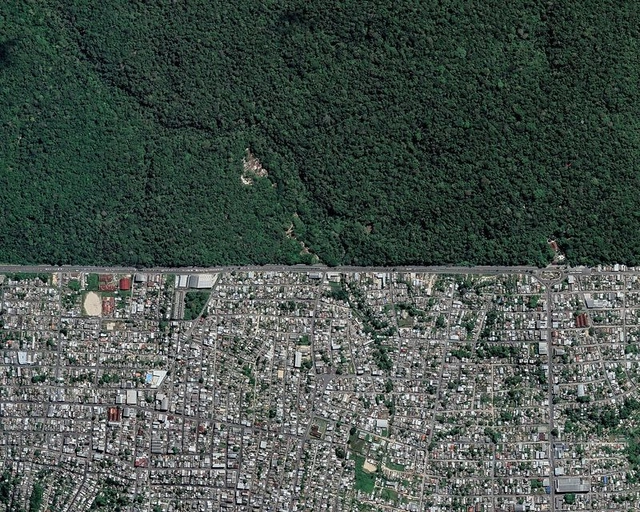
The world has its eyes on the Amazon. Geographical data about this vast territory, spanning 6.74 million square kilometers across eight countries in Latin America, is constantly featured in national and international media. Headlines often highlight its sheer magnitude as the largest tropical rainforest in the world, home to 10% of the planet's biodiversity, and responsible for 15% of the Earth's freshwater. However, little attention is paid to what transpires beneath its canopy, on the ground where people live.

Amazonian Cities: What It Is Like to Live Close to the Largest Tropical Rainforest on the Planet - Image 1 of 4Amazonian Cities: What It Is Like to Live Close to the Largest Tropical Rainforest on the Planet - Image 2 of 4Amazonian Cities: What It Is Like to Live Close to the Largest Tropical Rainforest on the Planet - Image 3 of 4Amazonian Cities: What It Is Like to Live Close to the Largest Tropical Rainforest on the Planet - Image 4 of 4Amazonian Cities: What It Is Like to Live Close to the Largest Tropical Rainforest on the Planet - More Images+ 7

Alero Olympio: A Legacy of Ecological Architecture and Decolonized Identity

Subscriber Access | 

Alero Olympio (1959-2005) was an architect and builder known for an intimately ecological approach to architecture. Born in Ghana, she divided her practice between Ghana and Scotland. She focused on work that prioritized people and was sincerely committed to social and environmental sustainability, prioritizing using locally sourced materials.

Her work legacy includes physical buildings like the Kokrobitey Institute, her advocacy for earthen constructions, research on sustainable forestry products, and so much more. However, a gap exists in the institutionalized archives of her work, leading to the current ongoing efforts to build a comprehensive archive of her contributions. The 2024 Womxn in Design and Architecture (WDA) annual conference organized by Princeton University School of Architecture made a significant contribution. It featured exhibitions, seminars, and panel discussions that reflected on Alero Olympio's legacy and examined the architectural insights her work continues to offer.

Alero Olympio: A Legacy of Ecological Architecture and Decolonized Identity - Image 1 of 4Alero Olympio: A Legacy of Ecological Architecture and Decolonized Identity - Image 2 of 4Alero Olympio: A Legacy of Ecological Architecture and Decolonized Identity - Image 3 of 4Alero Olympio: A Legacy of Ecological Architecture and Decolonized Identity - Image 4 of 4Alero Olympio: A Legacy of Ecological Architecture and Decolonized Identity - More Images+ 8

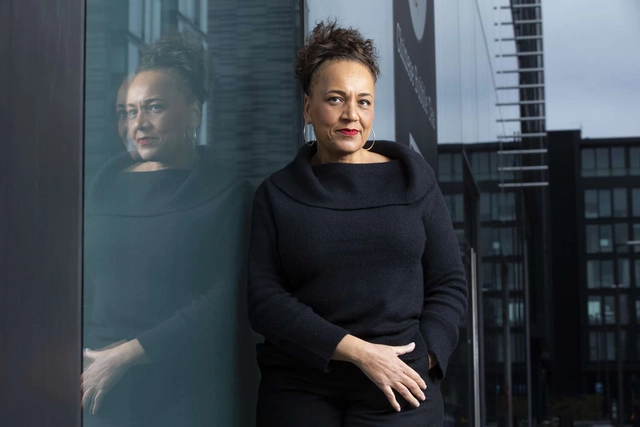
“Champion of Equity and Inclusion” Lesley Lokko Receives the 2024 RIBA Royal Gold Medal

Ghanaian-Scottish architect, academic, and curator Lesley Lokko has been announced as the recipient of the 2024 Royal Gold Medal by the Royal Institute of British Architects (RIBA), becoming the first African woman to receive the award. Lokko is not a practicing architect, but as a teacher, writer, and curator she has fought to widen access to the profession and to bring forward voices that have been disregarded for far too long. As the curator of the 2023 Venice Architecture Biennale, she has shifted the focus to Africa and its diaspora, exploring the complex themes of decolonization and decarbonization. For all her contributions to the profession, Lesley Lokko will be formally presented with the medal in May 2024 by Muyiwa Oki, RIBA’s first black president.

“Champion of Equity and Inclusion” Lesley Lokko Receives the 2024 RIBA Royal Gold Medal - Image 1 of 4“Champion of Equity and Inclusion” Lesley Lokko Receives the 2024 RIBA Royal Gold Medal - Image 2 of 4“Champion of Equity and Inclusion” Lesley Lokko Receives the 2024 RIBA Royal Gold Medal - Image 3 of 4“Champion of Equity and Inclusion” Lesley Lokko Receives the 2024 RIBA Royal Gold Medal - Image 4 of 4“Champion of Equity and Inclusion” Lesley Lokko Receives the 2024 RIBA Royal Gold Medal - More Images

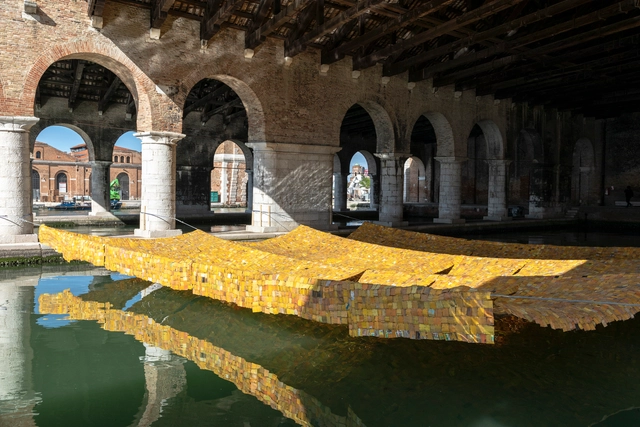
A Look Back at the 18th Venice Architecture Biennale, the First to be Focused on the Culture of Africa

The 18th International Architecture Exhibition of La Biennale di Venezia closed on November 26th. A total of 285,000 people visited the exhibition, making it the second most highly attended Architecture Biennale in its history. Named "The Laboratory of the Future," this edition led by curator Lesley Lokko, has been the first to focus on Africa and its diaspora, exploring the “fluid and enmeshed culture of people of African descent that now straddles the globe,” in the words of the curator, with themes of decolonization and decarbonization.

This edition has attracted a wide array of visitors, 38% of whom are represented by students and young people. Visitors organized in groups represented 23% of the overall public, with a large majority of groups coming from schools and universities. The numbers denote an event centered on the transmission of knowledge and circulation of ideas.

A Look Back at the 18th Venice Architecture Biennale, the First to be Focused on the Culture of Africa - Image 1 of 4A Look Back at the 18th Venice Architecture Biennale, the First to be Focused on the Culture of Africa - Image 2 of 4A Look Back at the 18th Venice Architecture Biennale, the First to be Focused on the Culture of Africa - Image 3 of 4A Look Back at the 18th Venice Architecture Biennale, the First to be Focused on the Culture of Africa - Image 4 of 4A Look Back at the 18th Venice Architecture Biennale, the First to be Focused on the Culture of Africa - More Images+ 3

Kuwait Pavilion at La Biennale di Venezia Explores Consequences of Modernist Urban Planning on Historic Built Environment

The Kuwait Pavilion, titled 'Rethinking Rethinking Kuwait,' at the 18th International Architecture Exhibition — La Biennale di Venezia, delves into innovative architectural and urban design methods arising from space and time. The project is an ongoing exploration addressing the consequences of modernist urban planning, which erased much of Kuwait's historic built environment.

Kuwait Pavilion at La Biennale di Venezia Explores Consequences of Modernist Urban Planning on Historic Built Environment - Image 1 of 4Kuwait Pavilion at La Biennale di Venezia Explores Consequences of Modernist Urban Planning on Historic Built Environment - Image 2 of 4Kuwait Pavilion at La Biennale di Venezia Explores Consequences of Modernist Urban Planning on Historic Built Environment - Image 3 of 4Kuwait Pavilion at La Biennale di Venezia Explores Consequences of Modernist Urban Planning on Historic Built Environment - Image 4 of 4Kuwait Pavilion at La Biennale di Venezia Explores Consequences of Modernist Urban Planning on Historic Built Environment - More Images+ 1

Finding the Indian in Contemporary Residential Architecture

Contemporary Indian design culture can aptly be described with one word - fusion. A close look at the trends in fashion, cinema, music, and art soon reveals the country’s aspirations as a globalized nation. Reveling in a new era, India’s art and design appear as a combination of influences from traditional life and the Western world. A “neo-Indian” image informs multiple forms of cultural expression, including architecture and interior design. As Indians and Indian architecture carve the country's place in the world, a new design trend flourishes - one that is driven by modern lifestyles, international influences, a colonial past, and a desire to stay connected to its roots.


Finding the Indian in Contemporary Residential Architecture - Image 1 of 4Finding the Indian in Contemporary Residential Architecture - Image 2 of 4Finding the Indian in Contemporary Residential Architecture - Image 3 of 4Finding the Indian in Contemporary Residential Architecture - Image 4 of 4Finding the Indian in Contemporary Residential Architecture - More Images+ 2

"Unsettling Queenstown:" The Australian Pavilion at the Venice Architecture Biennale 2023 Explores Themes of Decolonization

At this year’s International Architecture Exhibition – La Biennale di Venezia, the Australian Institute of Architects will present Unsettling Queenstown. Tackling themes of decolonization, the exhibition is a multi-faceted and multi-sensory installation. Creative directors Anthony Coupe, Julian Worrall, Emily Paech, Ali Gumillya Baker, and Sarah Rhode have curated this exhibition as a response to the overarching theme of the Biennale – "The Laboratory of the Future." Moreover, Unsettling Queenstown will encourage audiences to imagine the future and its possibilities.

2023 Venice Architecture Biennale: 63 National Pavilions and 89 Participants with Significant Representation from Africa

Announced today in a live presentation, the 18th International Architecture Exhibition, titled The Laboratory of the Future, curated by Lesley Lokko, will be open to the public from May 20 to November 26, 2023, in Venice, Italy. This edition will include 63 National Pavilions, 27 of which are at the Giardini, 22 at the Arsenale, and 14 in the city center of Venice. Structured in six parts, the exhibition will include 89 Participants, over half of whom are from Africa or the African Diaspora, with a 50/50 gender balance, and an average age of 43 for participants. Contributors include Adjaye Associates, atelier masōmī, Kéré Architecture, MASS Design Group, Sumayya Vally and Moad Musbahi, Theaster Gates Studio, Andrés Jaque / Office for Political Innovation, Liam Young, Neri&Hu Design and Research Office, to name a few.

2023 Venice Architecture Biennale: 63 National Pavilions and 89 Participants with Significant Representation from Africa - Image 1 of 42023 Venice Architecture Biennale: 63 National Pavilions and 89 Participants with Significant Representation from Africa - Image 2 of 42023 Venice Architecture Biennale: 63 National Pavilions and 89 Participants with Significant Representation from Africa - Image 3 of 42023 Venice Architecture Biennale: 63 National Pavilions and 89 Participants with Significant Representation from Africa - Image 4 of 42023 Venice Architecture Biennale: 63 National Pavilions and 89 Participants with Significant Representation from Africa - More Images+ 8