1. ArchDaily
  2. Design Kindergarten

Design Kindergarten: The Latest Architecture and News

Kindergarten Architecture: Imaginative Spaces Shaping Childhood and Creativity

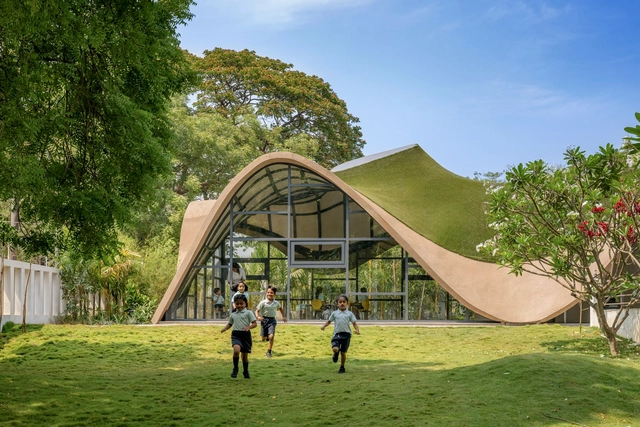
Kindergarten architecture has long stood apart as a realm where design and imagination converge. Unlike most building typologies, these spaces are conceived not only to shelter and function but to shape the earliest experiences of curiosity, play, and social interaction. Throughout history, the design of kindergartens has evolved alongside pedagogical shifts, moving from modest, utilitarian beginnings to highly intentional environments that stimulate both learning and wonder. In this context, architecture becomes more than a backdrop — it becomes a silent educator, capable of nurturing emotional, cognitive, and physical development.

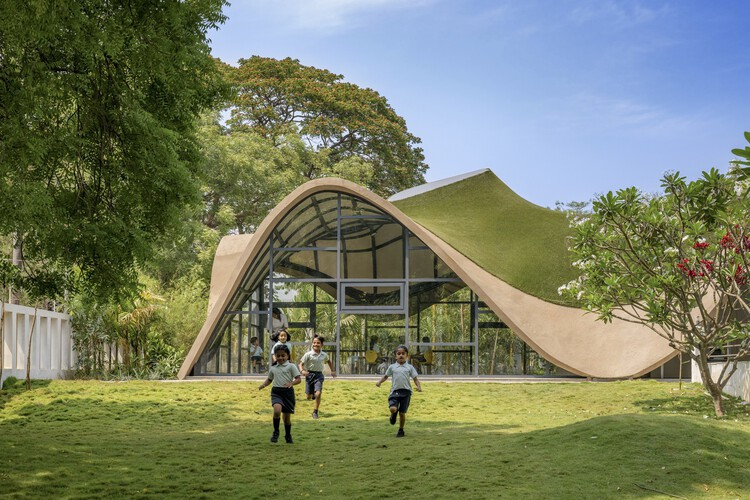
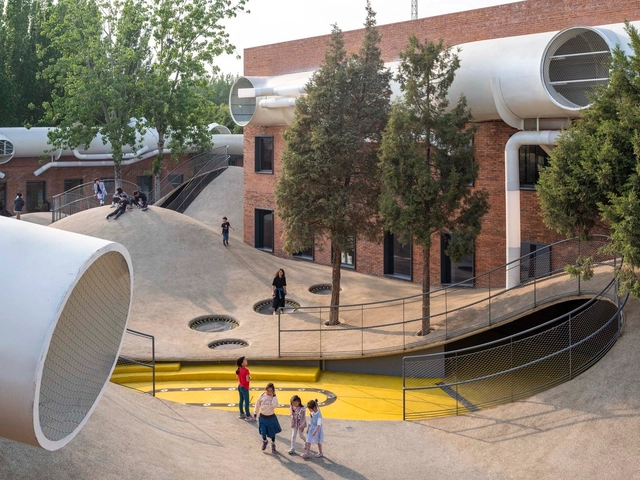
Kindergarten Architecture: Imaginative Spaces Shaping Childhood and Creativity - Image 1 of 4Kindergarten Architecture: Imaginative Spaces Shaping Childhood and Creativity - Image 2 of 4Kindergarten Architecture: Imaginative Spaces Shaping Childhood and Creativity - Image 3 of 4Kindergarten Architecture: Imaginative Spaces Shaping Childhood and Creativity - Image 4 of 4Kindergarten Architecture: Imaginative Spaces Shaping Childhood and Creativity - More Images+ 27

The Built Environment as a Third Teacher: Architectural Play in Japanese and Chinese Kindergartens

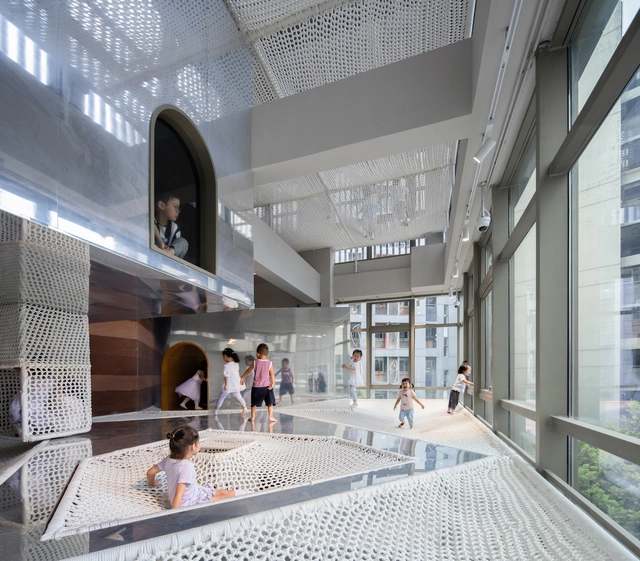
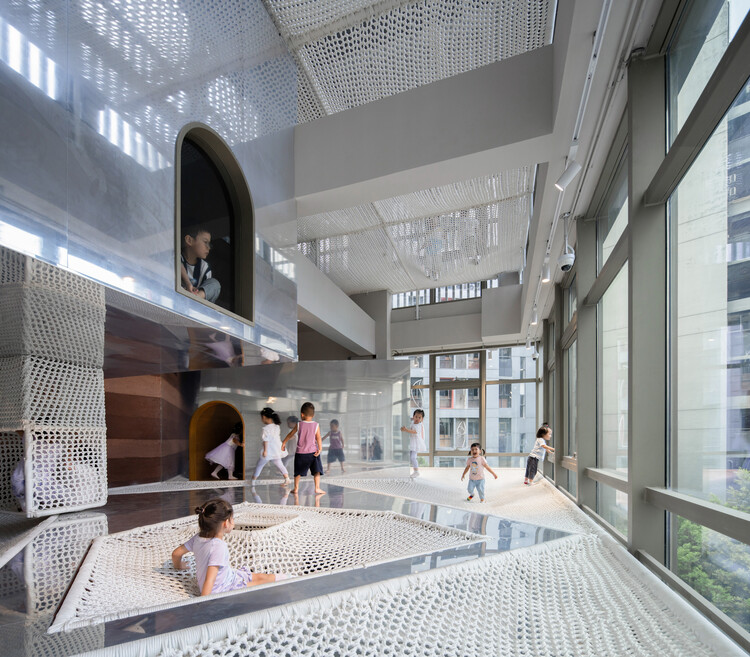
In contemporary Japanese and Chinese kindergarten design, architects are transforming the interior spaces from a simple container into an active, multi-sensory environment. This shift seems to follow Studies in developmental psychology that suggest that a child's experience of space begins with a sensorimotor engagement through touch and manipulation. Thus, they place a strong emphasis on the use of materials and the approach of learning through play. Architects seem to be moving beyond traditional classrooms, into environments that are tactile, stimulating, and rooted in their specific contexts. The buildings themselves become tools for education, encouraging children to learn and explore through direct physical engagement.

The Built Environment as a Third Teacher: Architectural Play in Japanese and Chinese Kindergartens - Image 1 of 4The Built Environment as a Third Teacher: Architectural Play in Japanese and Chinese Kindergartens - Image 2 of 4The Built Environment as a Third Teacher: Architectural Play in Japanese and Chinese Kindergartens - Image 3 of 4The Built Environment as a Third Teacher: Architectural Play in Japanese and Chinese Kindergartens - Image 4 of 4The Built Environment as a Third Teacher: Architectural Play in Japanese and Chinese Kindergartens - More Images+ 6

Design Communities for Children: 10 Exemplary Kindergartens in China

Subscriber Access | 

Bruce Jilk in his essay ‘Place Making and Change in learning environments” showcases a radical view of contemporary education which, he argues, is outdated and does not meet the needs of the modern world. Instead of providing for a world of individuals operating within a wider urban environment, schools have become internalized ghettos of childhood, cutting off from communities they are supposed to serve, centrally administered in a “one size fits all” ethos. Designers and architects around the world have always been seeking a more flexible architectural model which will allow much more creativity within the learning process and the environments which serve it.

In Progress: Design Kindergarten / CEBRA

Subscriber Access | 

In Progress: Design Kindergarten / CEBRA - Image 1 of 4

CEBRA has been designing several buildings for young users, (we recently featured their 1st-3rd grade building) and their new Design Kindergarten attempts to break preconceived notions of “what a school should look like” as a way to pique children’s curiosity and creativity. Still in progress, the daycare center’s organization is based around different “themes” that focus of specific activities -in this case art, design and architecture. This is somewhat new to the Danish model of daycare, as the building will turn into more of an educational preschool facility where knowledge is acquired, not though a formal lesson, but rather through play. In addition to the architectural strategy of redefining a daycare center, the client/architect relation is something to be noted. The parents participated in the design process in a very active way, offering ideas and criticism to push the project forward.

More images, videos and lots of diagrams after the break.