1. ArchDaily
  2. diseño arquitectónico

diseño arquitectónico: The Latest Architecture and News

Understanding U-Value: The Foundation of Energy-Efficient Envelopes

Subscriber Access | 
Understanding U-Value: The Foundation of Energy-Efficient Envelopes - Image 1 of 4
© ArchDaily

Much more than merely as a protective skin, the building envelope functions as a thermal regulator that influences operational energy demand, indoor comfort, and long-term efficiency. And before renewable systems or mechanical strategies are introduced, performance begins in section. The way walls, roofs, windows and floors are layered determines how much heat is lost in winter, gained in summer, and ultimately how much energy a building consumes. At the center of this evaluation lies a fundamental metric: the thermal transmittance, or U-value. Understanding how to calculate it is essential for assessing whether an envelope conserves energy or allows it to escape.

Conceptually, thermal transmittance relates heat flow to both surface area and temperature difference. It expresses how much energy crosses one square meter of envelope for each degree of thermal gradient between its two faces.

If we divide 1 m2 of our envelope by the temperature difference between its faces, we will obtain a value that corresponds to the thermal transmittance, also called U-Value. This value tells us a building's level of thermal insulation in relation to the percentage of energy that passes through it; if the resulting number is low we will have a well-isolated surface and, on the contrary, a high number alerts us of a thermally deficient surface.
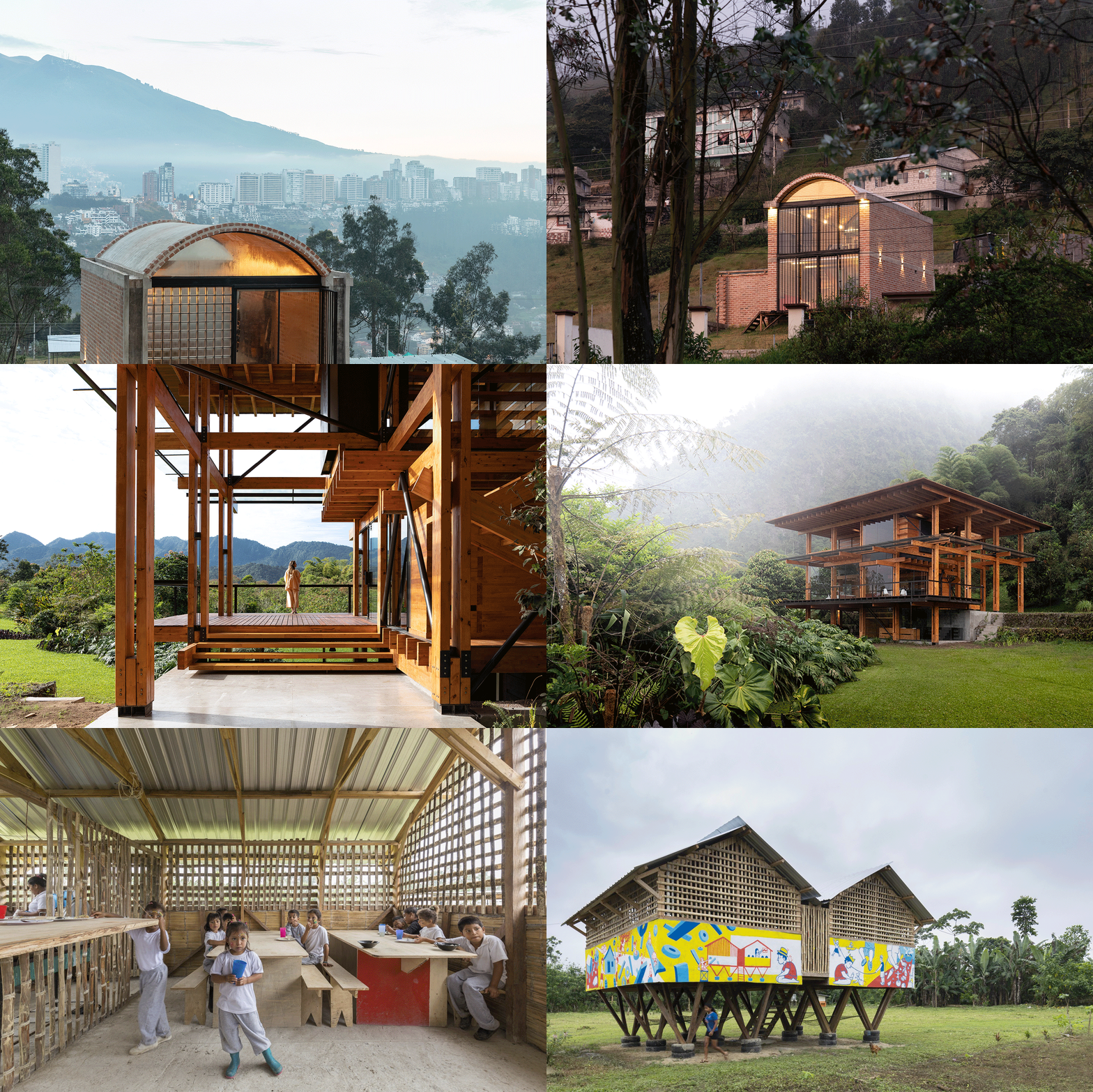
Taller General: "Our Definition of Architecture Takes Shape Collectively"

Taller General is a meeting point where Martín Real and Florencia Sobrero, among other members and collaborators, come together daily to pursue their passion: channeling their creativity through architecture while merging all the aspects that shape their lives, from activism to education.

From Ecuador, the team undergoes changes based on the project's needs, and for the most part, it expands through collaborative work that enables them to share diverse perspectives, opinions, and practices. This enriches the environment and produces outcomes that would be unimaginable from an individual standpoint.

For these reasons, Taller General was chosen by ArchDaily as one of the best new architectural practices of 2023. Next, we bring you an interview with Florencia and Martín to get a close look at their inspirations, work processes, and future projects.

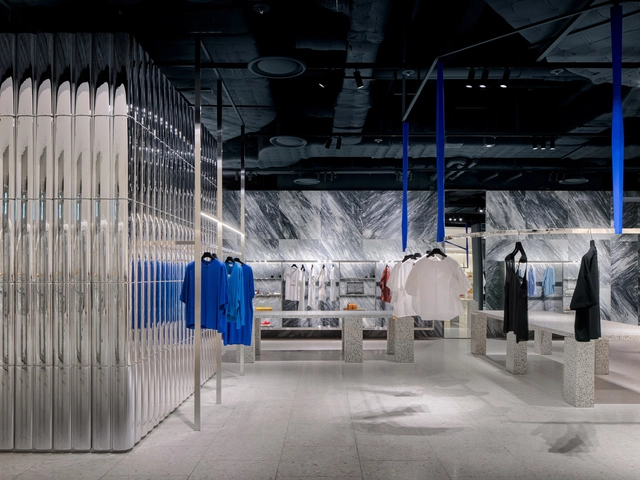
How to Organize a Commercial Space? Distribution and Circulation Strategies in the Design of Stores and Premises

Subscriber Access | 

Within the realm of commercial architecture, the design of spatiality can adopt multiple approaches, conceiving proposals that achieve a balance between aesthetics and functionality. Taking into consideration that various cultural variables, social tensions, and economic interests are involved, the construction of these spaces directly involves the interaction between users, brands, and their products, participating in the experience on-site from colors and materials to lighting, climate control, sounds, aromas, and more.

MAD Architects Designs Mixed-Use Building in Ecuador, the Firm's First Project in South America

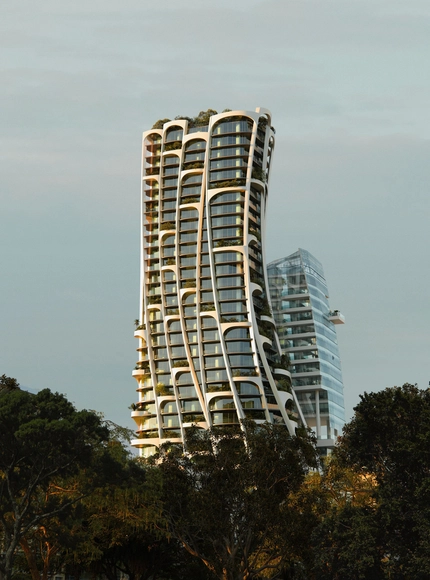
The architecture firm MAD Architects, based in Beijing, China, has presented the design of its first project in South America, the mixed-use "Qondesa" tower in Quito, Ecuador, which will soon become the tallest building in the city.

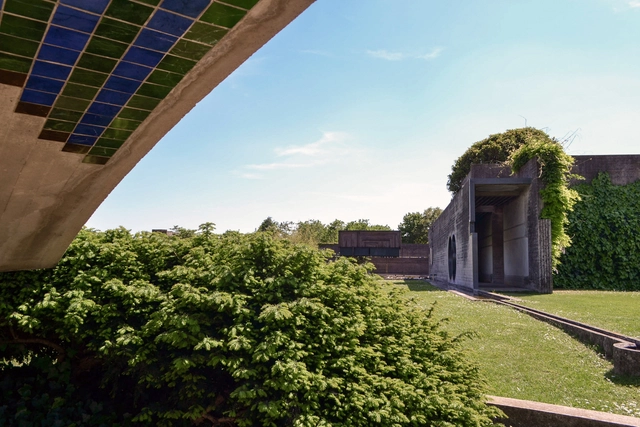
Architecture That Hides Stories: A Look at the Brion Tomb by Carlo Scarpa

Subscriber Access | 

As human beings we cannot live without stories, we need them to fill those gaps in our reality, to live in our imagination those thousands of lives that are different from ours and, in some cases, impossible.

Could we qualify as "good architecture" that which has a story, or several stories, to tell us? That which is a story in itself? Such a subjective question undoubtedly generates different answers, but one possible answer is "yes". And one example is the Brion Tomb project, one of Venetian architect Carlo Scarpa's major masterpieces.