1. ArchDaily
  2. Ebenezer Howard

Ebenezer Howard: The Latest Architecture and News

The Garden City Movement in Asia: Evolution and Modern Legacies

Subscriber Access | 

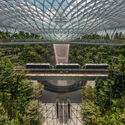
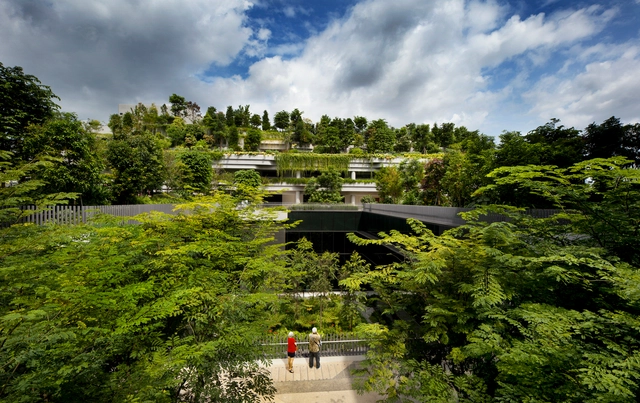
Ebenezer Howard's verdant visions for cities have spread eastwards, far beyond his British roots. In the 1900s, city planning welcomed the Garden City Movement as a champion of good design - a response to Western industrial urbanization. Soon, Asian cities conceived their archetypes, juggling local constraints in climate and density. Designs and development, from colonial-era experiments to contemporary mega-projects, have embraced and reinvented Howard's vision well into the 21st century.

The Garden City Movement in Asia: Evolution and Modern Legacies - Image 1 of 4The Garden City Movement in Asia: Evolution and Modern Legacies - Image 2 of 4The Garden City Movement in Asia: Evolution and Modern Legacies - Image 3 of 4The Garden City Movement in Asia: Evolution and Modern Legacies - Image 4 of 4The Garden City Movement in Asia: Evolution and Modern Legacies - More Images+ 3

EPCOT: Walt Disney's New Urbanist City

Subscriber Access | 

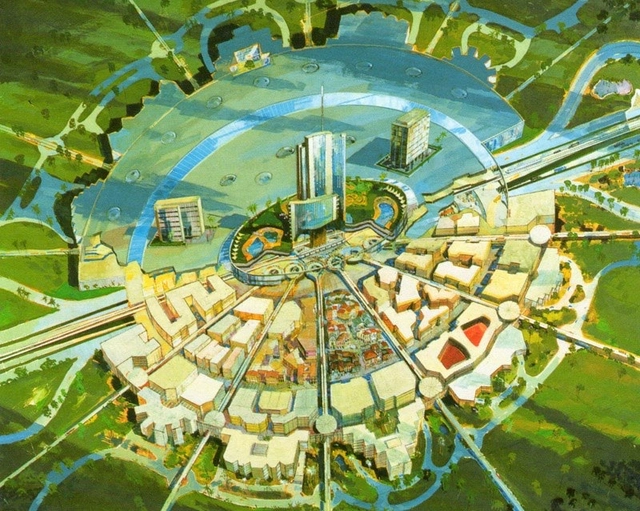
Beneath the Spaceship Earth geodesic sphere and the display of world cultures that symbolize Disney World’s EPCOT lies the buried vision for a utopian city. The original EPCOT - a community built around innovation - was one of Walt Disney’s last visionary projects. Bothered by haphazard urban sprawl, Disney had bold ideas for an urban fabric that would drive progress in the USA. The “Experimental Prototype Community of Tomorrow” was Walt Disney’s antidote to the decay of American cities.

EPCOT: Walt Disney's New Urbanist City - Image 1 of 4EPCOT: Walt Disney's New Urbanist City - Image 2 of 4EPCOT: Walt Disney's New Urbanist City - Image 3 of 4EPCOT: Walt Disney's New Urbanist City - Image 4 of 4EPCOT: Walt Disney's New Urbanist City - More Images+ 3

In Tehran, Design Principles of American Suburbia Unexpectedly Persist

Subscriber Access | 

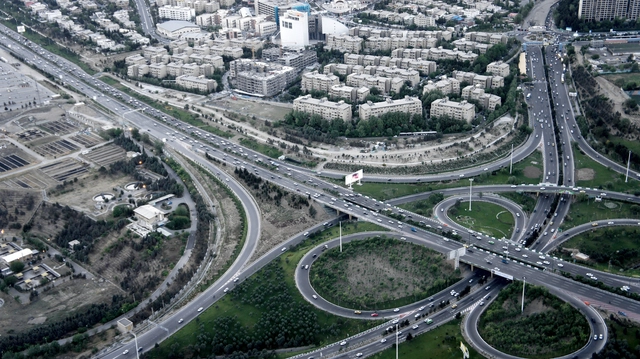
Austrian-born architect Victor Gruen is perhaps best known for pioneering the design of the American mall typology. His visions for these spaces sought to incorporate various aspects of the city into a single enclosed or indoor space, with a particular focus on consumption and commercial activity. His sprawling designs functioned as the perfect complement to America’s burgeoning leisure-driven consumer culture as a booming economy and an increase in car travel reinforced the possibilities of this new postwar way of life. Perhaps lesser-known, however, is Gruen’s commission from the Iranian government to design an urban plan for the city of Tehran in the late 1960s.

In Tehran, Design Principles of American Suburbia Unexpectedly Persist - Image 1 of 4In Tehran, Design Principles of American Suburbia Unexpectedly Persist - Image 2 of 4In Tehran, Design Principles of American Suburbia Unexpectedly Persist - Image 3 of 4In Tehran, Design Principles of American Suburbia Unexpectedly Persist - Image 4 of 4In Tehran, Design Principles of American Suburbia Unexpectedly Persist - More Images+ 8