1. ArchDaily
  2. Eco-village

Eco-village: The Latest Architecture and News

Building Autonomy: Latin American Communities Bringing Life’s Systems Into Architecture

Subscriber Access | 

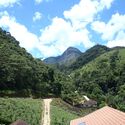
Before a building can be inhabited, many other things need to happen. Water has to arrive, energy has to be generated, food has to be grown or transported, and waste has to go somewhere. These processes are usually treated as something outside architecture, even though they shape the most basic conditions of everyday life.

This is why the idea of self-sufficient communities is more complex than it first appears. It can suggest a place that provides more of what it needs: energy, water, food, shelter, and waste management. Yet, in many Latin American contexts, autonomy is not a complete separation from the world. It is a way of bringing the systems of daily life closer to the people who use, maintain, and care for them.

Building Autonomy: Latin American Communities Bringing Life’s Systems Into Architecture - Image 1 of 4Building Autonomy: Latin American Communities Bringing Life’s Systems Into Architecture - Image 2 of 4Building Autonomy: Latin American Communities Bringing Life’s Systems Into Architecture - Image 3 of 4Building Autonomy: Latin American Communities Bringing Life’s Systems Into Architecture - Image 4 of 4Building Autonomy: Latin American Communities Bringing Life’s Systems Into Architecture - More Images+ 1

From Coast to Countryside: 15 Rural Hotels in Portugal

Subscriber Access | 

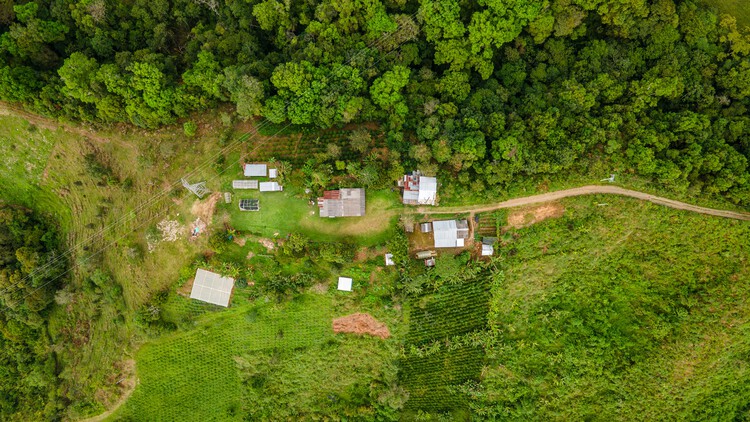
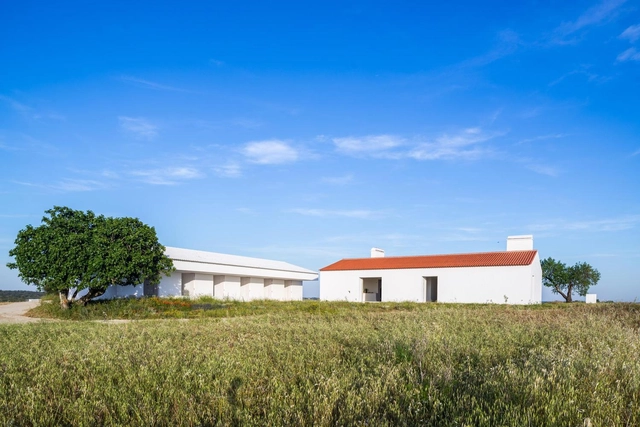
Tourism in Portugal began to develop in the late 1950s, initially centered on key destinations such as the Algarve coast, Lisbon, and the religious hub of Fátima. This focus made tourism largely a coastal activity. However, rapid growth and overburdened infrastructure in these areas led to saturation and a crisis in the sector. To address this, efforts were made to promote alternative destinations, appealing to a new wave of tourists looking for more sustainable, authentic, and locally immersive experiences.

From Coast to Countryside: 15 Rural Hotels in Portugal - Image 1 of 4From Coast to Countryside: 15 Rural Hotels in Portugal - Image 2 of 4From Coast to Countryside: 15 Rural Hotels in Portugal - Image 3 of 4From Coast to Countryside: 15 Rural Hotels in Portugal - Image 4 of 4From Coast to Countryside: 15 Rural Hotels in Portugal - More Images+ 20

Ahead of the Paris Olympics, Discover the Eco-District of Clichy-Batignolles in Paris, Through the Lens of Paul Clemence

With the 2024 Olympic Games opening ceremony fast approaching, Paris has captured global attention. In addition to the venues being prepared for the Olympics, the city offers a wide range of architectural projects that showcase its efforts to improve the urban environment and promote a greener and more inclusive city. Among these, the new Clichy Batignolles Eco-District in the 17th arrondissement of Paris is a 54-hectare development that set out to transform the former SNCF rail yard into a new neighborhood. The initiative features contributions from internationally recognized architects including MAD Architects, Architect Périphériques, and RPBW, among others. Read on to discover the urban development through the lens of architecture photographer Paul Clemence.

Ahead of the Paris Olympics, Discover the Eco-District of Clichy-Batignolles in Paris, Through the Lens of Paul Clemence - Image 1 of 4Ahead of the Paris Olympics, Discover the Eco-District of Clichy-Batignolles in Paris, Through the Lens of Paul Clemence - Image 2 of 4Ahead of the Paris Olympics, Discover the Eco-District of Clichy-Batignolles in Paris, Through the Lens of Paul Clemence - Image 3 of 4Ahead of the Paris Olympics, Discover the Eco-District of Clichy-Batignolles in Paris, Through the Lens of Paul Clemence - Image 4 of 4Ahead of the Paris Olympics, Discover the Eco-District of Clichy-Batignolles in Paris, Through the Lens of Paul Clemence - More Images+ 45

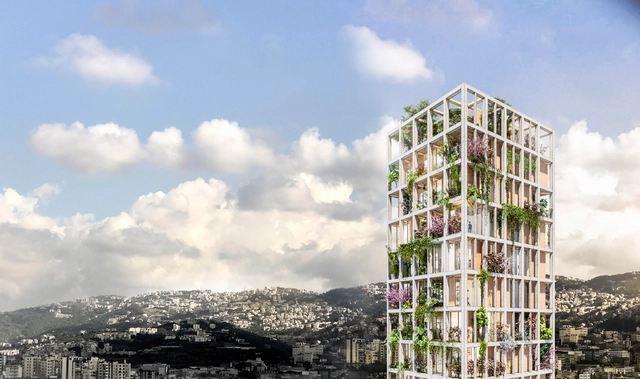
Anastasia Elrouss Designs a Vertical Eco-Village in Beirut, a New Way to Inhabit the Built Environment

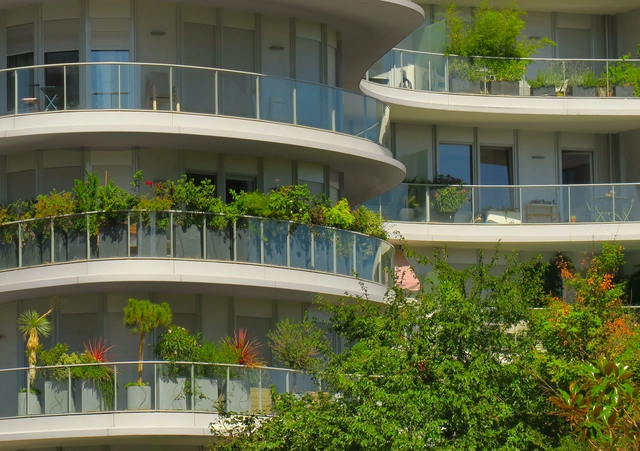
Anastasia Elrouss Architects has imagined the MM Residential Tower, a vertical eco-village in the fast-developing suburbs of Beirut, Lebanon. Labeled Urban Lung, the project, sitting on a 900-square-meter rectangular site, generates 14 stacked floor plates around a central and open planted core. The ground floor and basement level, rented by Warchee NGO, will encompass farming and carpentry workshops for women.

Anastasia Elrouss Designs a Vertical Eco-Village in Beirut, a New Way to Inhabit the Built Environment  - Image 1 of 4Anastasia Elrouss Designs a Vertical Eco-Village in Beirut, a New Way to Inhabit the Built Environment  - Image 2 of 4Anastasia Elrouss Designs a Vertical Eco-Village in Beirut, a New Way to Inhabit the Built Environment  - Image 3 of 4Anastasia Elrouss Designs a Vertical Eco-Village in Beirut, a New Way to Inhabit the Built Environment  - Image 4 of 4Anastasia Elrouss Designs a Vertical Eco-Village in Beirut, a New Way to Inhabit the Built Environment  - More Images+ 17

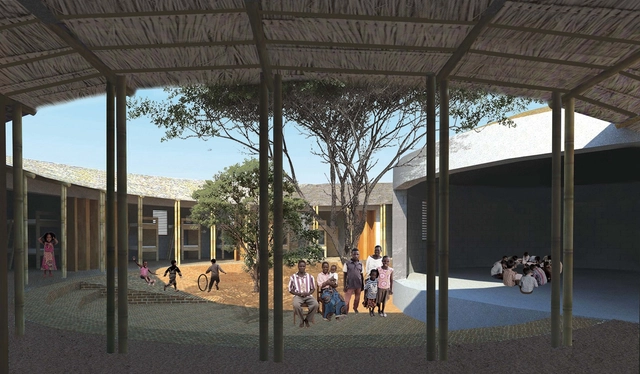
An Eco-Village for Orphaned Kenyan Children - Competition Winners Announced

The One Heart Foundation has announced the winners of the Children’s Eco-Village Design Competition. Attracting 45 submissions from 21 countries, the brief asked participants to propose an environmentally-friendly campus for orphaned and abandoned children, to be built in Soy, Kenya.

An Eco-Village for Orphaned Kenyan Children - Competition Winners Announced  - Image 1 of 4An Eco-Village for Orphaned Kenyan Children - Competition Winners Announced  - Image 2 of 4An Eco-Village for Orphaned Kenyan Children - Competition Winners Announced  - Image 3 of 4An Eco-Village for Orphaned Kenyan Children - Competition Winners Announced  - Image 4 of 4An Eco-Village for Orphaned Kenyan Children - Competition Winners Announced  - More Images+ 18