1. ArchDaily
  2. Ecuadorian Architecture

Ecuadorian Architecture: The Latest Architecture and News

Contemporary Ecuadorian Architecture: Connecting Materials, Environment, and Culture

Subscriber Access | 

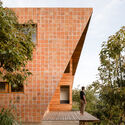
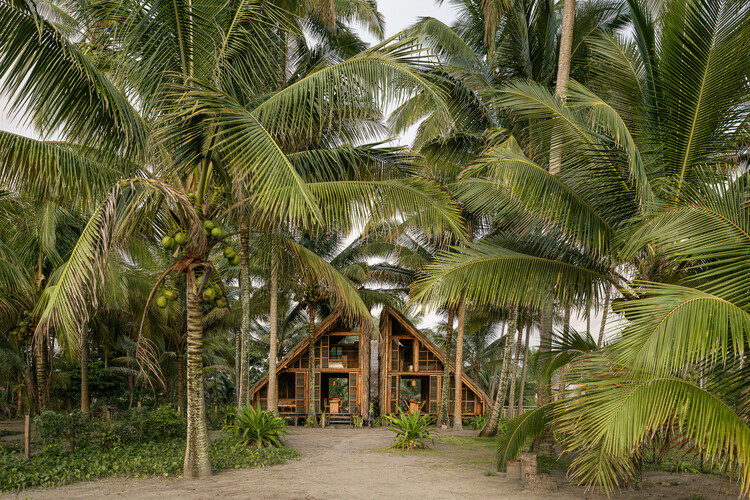
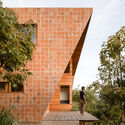
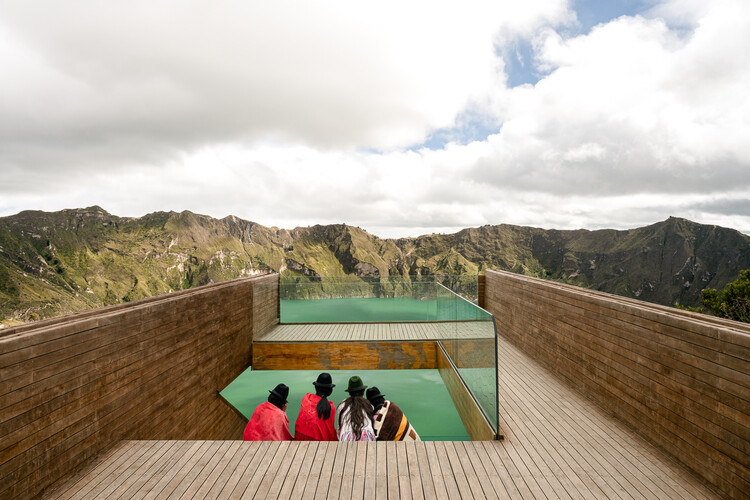
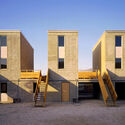
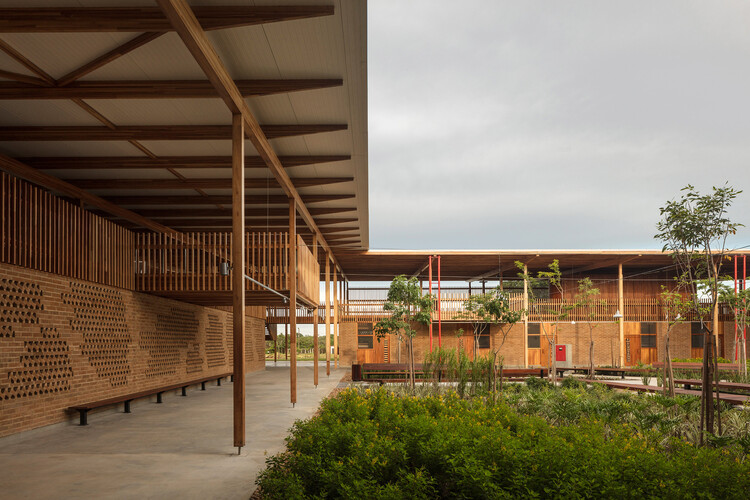
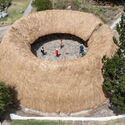
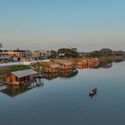
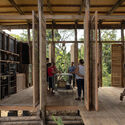
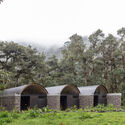
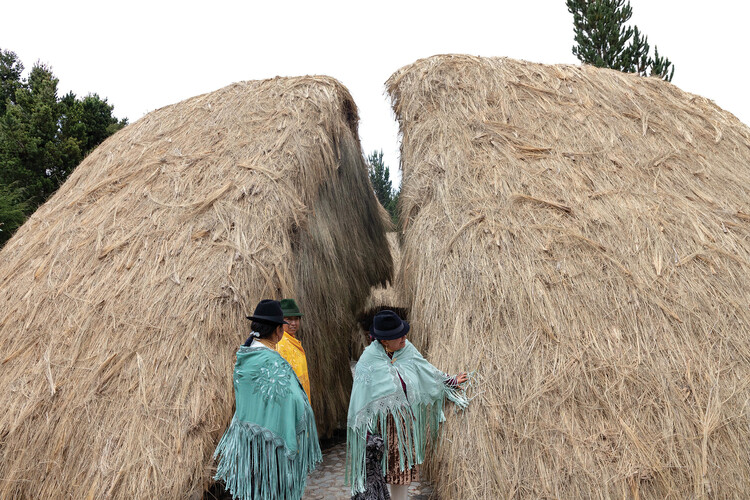
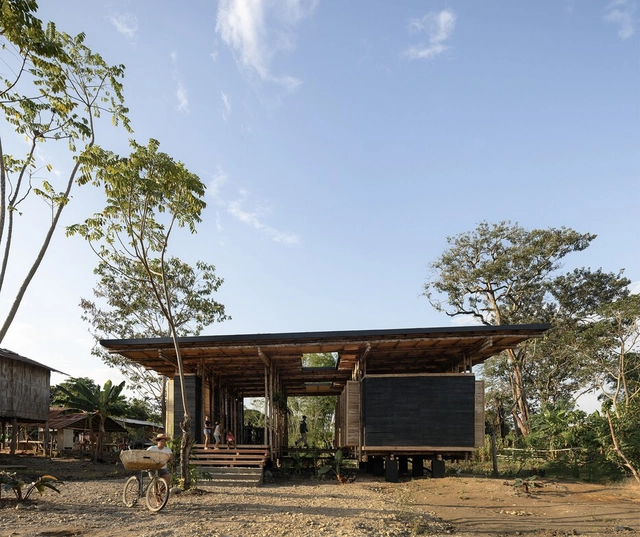
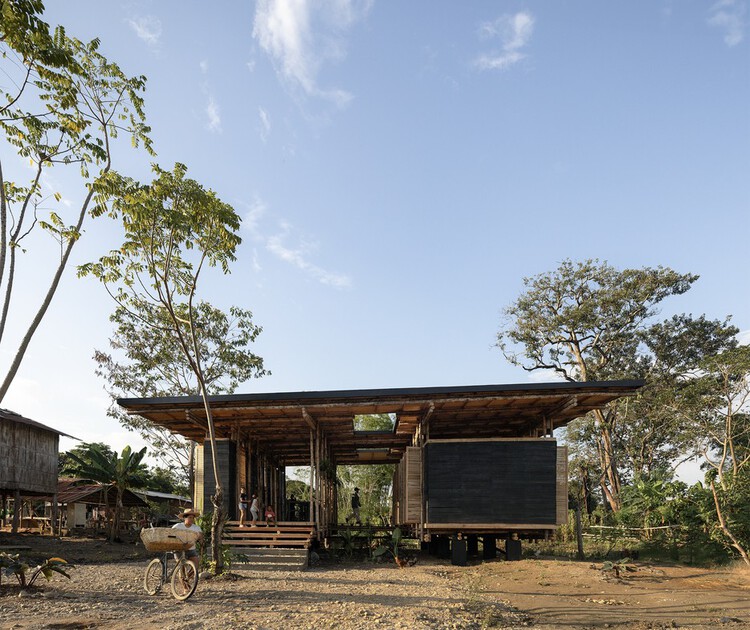
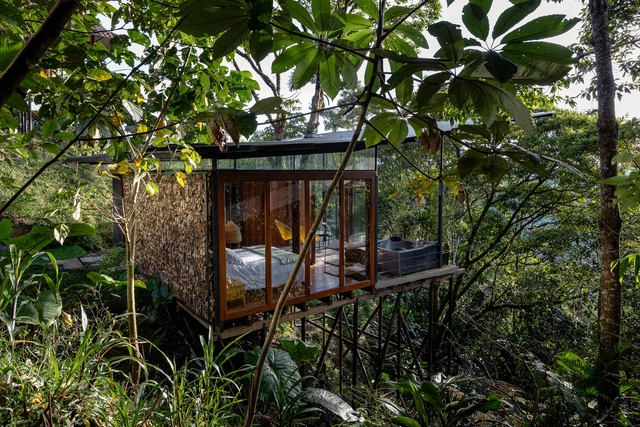
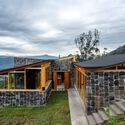
Ecuador's territory embraces a remarkable diversity of landscapes, ranging from the Pacific Coast to the peaks of the Andes, the vast expanse of the Amazon rainforest, and the volcanic Galápagos Islands. Each region of the country presents its own distinctive characteristics, reflected in its varied environmental, cultural, and social contexts. While Latin American architecture is rooted in rich ancestral traditions, native construction techniques, and local materials, contemporary Ecuadorian architecture expresses an evolving identity that blends these elements with actual demands. Tradition and innovation, local resources and modern techniques, along with social responsibility and aesthetics, interact with the natural environment, urban conditions, and social contexts.
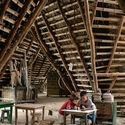
Contemporary Ecuadorian Architecture: Connecting Materials, Environment, and Culture - Image 1 of 4Contemporary Ecuadorian Architecture: Connecting Materials, Environment, and Culture - Image 2 of 4Contemporary Ecuadorian Architecture: Connecting Materials, Environment, and Culture - Image 3 of 4Contemporary Ecuadorian Architecture: Connecting Materials, Environment, and Culture - Image 4 of 4Contemporary Ecuadorian Architecture: Connecting Materials, Environment, and Culture - More Images+ 20

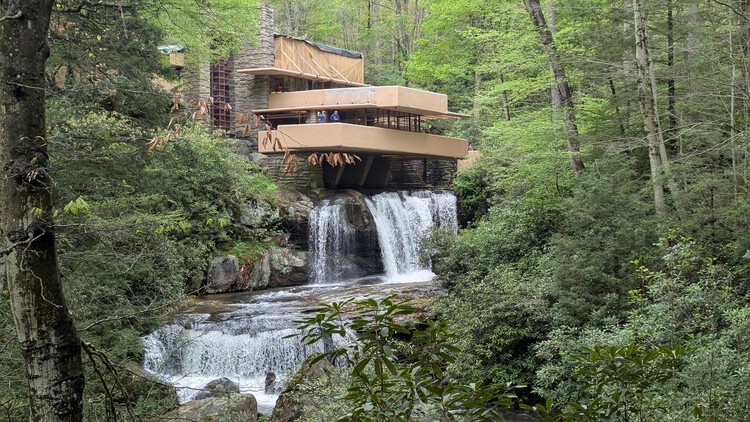
Frank Lloyd Wright’s Fallingwater Restoration and Salone del Mobile.Milano 2026: This Week’s Review

This week marked World Health Day, observed annually on April 7 by the World Health Organization. This year's edition issued the call to "Stand with science," inviting renewed engagement with scientific knowledge as a foundation for collective action across disciplines. In architecture and urban design, this imperative resonates through projects that translate research into spatial strategies: from the deployment of digital twins to inform urban planning and decision-making, to rewilding initiatives that integrate biodiversity as a tool to mitigate climate change, and materially informed practices that engage resource-conscious construction. Within this broader framework, recent works also foreground architecture's social agency at multiple scales, including a landscape-driven cancer support center in Kent that aligns wellbeing with environmental sensitivity, an urban installation in Brescia operating as a civic awareness device around life in prison and pathways to reintegration, and the transformation of a street in Mantua into a pedestrian-oriented, biodiversity-rich public space.

Frank Lloyd Wright’s Fallingwater Restoration and Salone del Mobile.Milano 2026: This Week’s Review - Image 1 of 4Frank Lloyd Wright’s Fallingwater Restoration and Salone del Mobile.Milano 2026: This Week’s Review - Image 2 of 4Frank Lloyd Wright’s Fallingwater Restoration and Salone del Mobile.Milano 2026: This Week’s Review - Image 3 of 4Frank Lloyd Wright’s Fallingwater Restoration and Salone del Mobile.Milano 2026: This Week’s Review - Image 4 of 4Frank Lloyd Wright’s Fallingwater Restoration and Salone del Mobile.Milano 2026: This Week’s Review - More Images+ 30

40+ Contemporary Architectural Works Across Ecuador Captured by Francesco Russo and Luca Piffaretti

Between 2023 and 2024, photographers Francesco Russo and Luca Piffaretti documented architecture and landscapes across Ecuador's coast, the Andes Mountains, the Amazon rainforest, the Galápagos Islands, and cities such as Quito, Guayaquil, and Cuenca. The photographic documentation explores Ecuador's evolving identity through its contemporary architecture, examining how it engages with natural surroundings, urban conditions, and social contexts. The resulting archive includes more than 40 projects by renowned local practices such as Al Borde, Durán & Hermida, Emilio López, José María Sáez, La Cabina de la Curiosidad, MCM+A, Natura Futura, and RAMA Estudio, among many others. The selection demonstrates how architecture can create high-quality spaces that respond to contemporary demands for sustainability and environmental responsibility by combining creativity and technology with renewable resources, despite ongoing economic, climatic, and political challenges in Latin America and beyond.
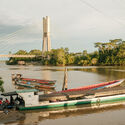
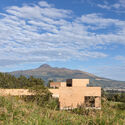

 40+ Contemporary Architectural Works Across Ecuador Captured by Francesco Russo and Luca Piffaretti - Image 1 of 4 40+ Contemporary Architectural Works Across Ecuador Captured by Francesco Russo and Luca Piffaretti - Image 2 of 4 40+ Contemporary Architectural Works Across Ecuador Captured by Francesco Russo and Luca Piffaretti - Image 3 of 4 40+ Contemporary Architectural Works Across Ecuador Captured by Francesco Russo and Luca Piffaretti - Image 4 of 4 40+ Contemporary Architectural Works Across Ecuador Captured by Francesco Russo and Luca Piffaretti - More Images+ 35

Legacy in Matter: Material Traditions in South American Architecture

Across South America, architecture endures through the materials it uses, those that persist over time. Bamboo, brick, wood, and concrete appear across regions, connecting climate, labor, and culture in ways that ensure their persistence through generations. Their continuity does not depend solely on preservation or heritage. It depends on use.

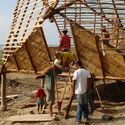
In this context, cultural memory does not reside primarily in monuments or images, but in practice. It survives in repeated gestures: laying bricks, tying guadua joints, assembling wood frames, casting slabs that anticipate another floor. These actions are transmitted less through manuals than through participation. Over time, they form systems of knowledge embedded in habit and necessity. Materials endure not because they symbolize the past, but because they continue to work.

Legacy in Matter: Material Traditions in South American Architecture - Image 1 of 4Legacy in Matter: Material Traditions in South American Architecture - Image 2 of 4Legacy in Matter: Material Traditions in South American Architecture - Image 3 of 4Legacy in Matter: Material Traditions in South American Architecture - Image 4 of 4Legacy in Matter: Material Traditions in South American Architecture - More Images+ 12

Architecture in Ecuador: 16 Projects Rooted in Territory, Craft, and Collective Practice

Subscriber Access | 

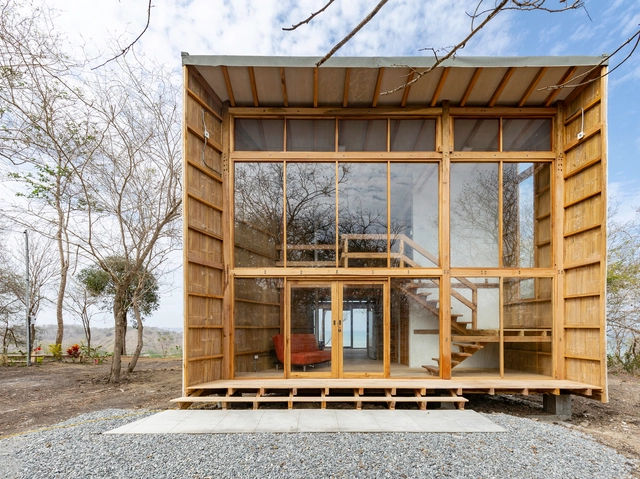
Between the Andes, the coast, and the Amazon, Ecuador's architecture has evolved as a reflection of its layered geography, a place where climate, topography, and culture unite. Throughout the territory, architecture has been an act of adaptation: from vernacular traditions rooted in collective labor and local materials to the colonial and modernist influences that reshaped its cities. This diversity has produced distinct constructive systems, from bamboo and cane structures along the coast to earth and stone constructions in the Andes, forming an archive of adaptive design that continues to influence contemporary practice.

Yet in the past decade, Ecuadorian architecture has undergone a quiet but deep transformation. New academic programs and international references have encouraged a growing awareness of climate and social justice. Emerging architects are redefining practice through workshops, collective studios, and on-site experimentation that blurs the line between design and activism. No longer focused on architecture as an object, a new generation of architects is approaching design as a process. One focused on collaboration, sustainability, and cultural identity. Their questions have shifted the design language from what to build to with whom.

Architecture in Ecuador: 16 Projects Rooted in Territory, Craft, and Collective Practice  - Image 1 of 4Architecture in Ecuador: 16 Projects Rooted in Territory, Craft, and Collective Practice  - Image 2 of 4Architecture in Ecuador: 16 Projects Rooted in Territory, Craft, and Collective Practice  - Image 3 of 4Architecture in Ecuador: 16 Projects Rooted in Territory, Craft, and Collective Practice  - Image 4 of 4Architecture in Ecuador: 16 Projects Rooted in Territory, Craft, and Collective Practice  - More Images+ 12

From Extraction to Regeneration: Architecture's Role in Rural Developments in Latin America

Rural areas have long played a foundational role in the social and economic development of nations. Until the 18th century, they were the primary sites of production and social organization. However, the Industrial Revolution brought profound structural shifts that reshaped this landscape. Industry took center stage, anchoring itself in urban environments and establishing a hierarchical, binary view of rural versus urban, agriculture versus industry. Within this new paradigm, two opposing narratives gained prominence: one predicted the decline of rural life in the face of urbanization and economic progress; the other envisioned its persistence and eventual renewal. Today, it is clear which of these predictions has come to pass.

From Extraction to Regeneration: Architecture's Role in Rural Developments in Latin America - Image 1 of 4From Extraction to Regeneration: Architecture's Role in Rural Developments in Latin America - Image 2 of 4From Extraction to Regeneration: Architecture's Role in Rural Developments in Latin America - Image 3 of 4From Extraction to Regeneration: Architecture's Role in Rural Developments in Latin America - Image 4 of 4From Extraction to Regeneration: Architecture's Role in Rural Developments in Latin America - More Images+ 9

Residential Architecture in Ecuador: 8 Contemporary House Projects That Respect Their Natural Surroundings

Subscriber Access | 

Ecuador, though a relatively small country in terms of land area, boasts a vast and diverse range of ecosystems and natural landscapes, including the Andes mountains, the Pacific coastline, and the Amazon rainforest. This makes the natural environment a key player, shaping its relationship with the built environment and demanding that architecture seamlessly integrate with and respect its context.

Over the years, Ecuadorian architecture has developed its own identity, successfully adapting to these diverse settings. Various construction techniques have been implemented, relying on locally sourced materials to create spaces and shelters in complete harmony with the landscape. Amid the growing trend of seeking a closer connection with nature, architecture in different regions of Ecuador has had to adjust to these conditions.

Residential Architecture in Ecuador: 8 Contemporary House Projects That Respect Their Natural Surroundings - Image 1 of 4Residential Architecture in Ecuador: 8 Contemporary House Projects That Respect Their Natural Surroundings - Image 2 of 4Residential Architecture in Ecuador: 8 Contemporary House Projects That Respect Their Natural Surroundings - Image 3 of 4Residential Architecture in Ecuador: 8 Contemporary House Projects That Respect Their Natural Surroundings - Image 4 of 4Residential Architecture in Ecuador: 8 Contemporary House Projects That Respect Their Natural Surroundings - More Images+ 23

Emilio López: "Latin American Architecture Is about Experimenting with Geography and Resources"

Subscriber Access | 

Emilio López is an architect from the Pontifical Catholic University of Ecuador and holds a Master's degree in History and Theory of Architecture from the Polytechnic University of Catalonia. He has been involved in several design projects that have an interesting connection with the territory, such as Muta House and Don Juan House. Recently, he was recognized for this work in Pamplona during the 2023 Latin American Architecture Biennial.

He states that he still resides in Ecuador, a territory with one of the world's greatest biodiversities. He mentions that the geography, plants, climates, and cultures of the country provide significant stimuli, and argues that through architecture, there emerges the opportunity for immersion and blending with the environment, allowing oneself to be transformed by the surroundings. He asserts that the power of architecture lies in being a product of the immersive engagement that involves rethinking its relationship with resources and the world in which he lives.

In the following interview, get to know even more about the inspirations and work processes of Emilio López Arquitecto.

El Sindicato: “We Use Architecture as a Tool”

Subscriber Access | 

El Sindicato was born in 2014, when Xavier Duque, Maria Reinoso and Nicolás Viteri joined forces against the boss-employee way of working. They stop working for other people. They do their own thing. What they like the most inside and outside the profession. They affirm that it is not, and they do not want it to be, an architecture office, but a life project.