1. ArchDaily
  2. Edson Elito

Edson Elito: The Latest Architecture and News

Hidden Gems of Latin American Architecture

Hidden Gems of Latin American Architecture - Image 5 of 4
Nido de Quetzalcóatl / Javier Senosian. Image © Marcos Betanzos

We know you're an architecture aficionado and that your passion takes you places that inspire and awe. Even though a visit to the classic tourist sites can result in an amazing trip, visiting lesser-known places can make for an unforgettable experience. It is because of this passion for parts unknown that we have compiled this list of some of Latin America's hidden architecture gems for you to consider as you plan your next trip.
Hidden Gems of Latin American Architecture - Image 1 of 4Hidden Gems of Latin American Architecture - Image 2 of 4Hidden Gems of Latin American Architecture - Image 3 of 4Hidden Gems of Latin American Architecture - Image 4 of 4Hidden Gems of Latin American Architecture - More Images+ 19

Architecture Classics: Teatro Oficina / Lina Bo Bardi & Edson Elito

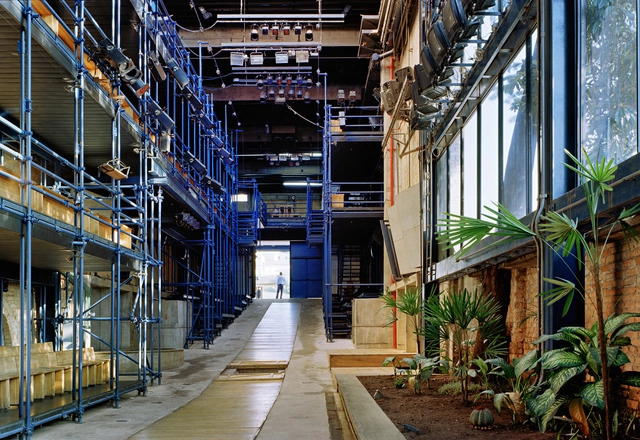
Architecture Classics: Teatro Oficina / Lina Bo Bardi & Edson Elito - Theaters & Performance Architecture Classics: Teatro Oficina / Lina Bo Bardi & Edson Elito - Theaters & Performance Architecture Classics: Teatro Oficina / Lina Bo Bardi & Edson Elito - Theaters & Performance Architecture Classics: Teatro Oficina / Lina Bo Bardi & Edson Elito - Theaters & Performance Architecture Classics: Teatro Oficina / Lina Bo Bardi & Edson Elito - More Images+ 35

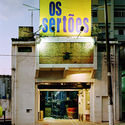
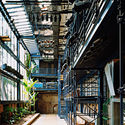
The Teatro Oficina Uzyna Uzona, popularly known as Teatro Oficina, located on Jaceguai Street, in the Bela Vista neighborhood, in São Paulo, was founded in 1958 by José Celso Martinez Correa. The Teatro Oficina acts as a manifesto/theater, marked by great spectacles between theatrical expressions, musical presentations, dance, and performances.

Over time, the theater sought to revolutionize the performances that they put on. To this end, the architecture was designed to "collaborate" with the events, allowing the drama of the spectacle to engage more profoundly with audiences. Edson Elito, who would later instigate this reform, said [trans.]: