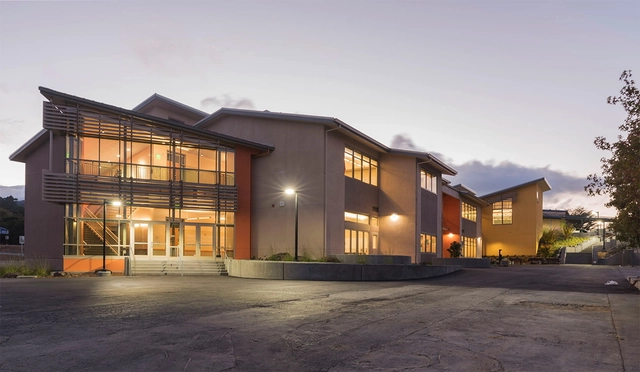
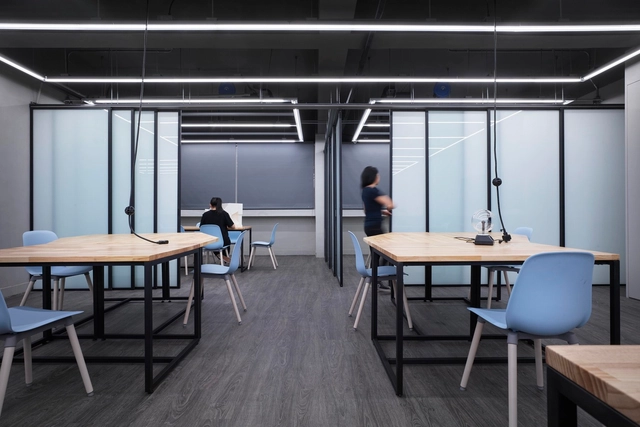
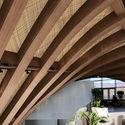
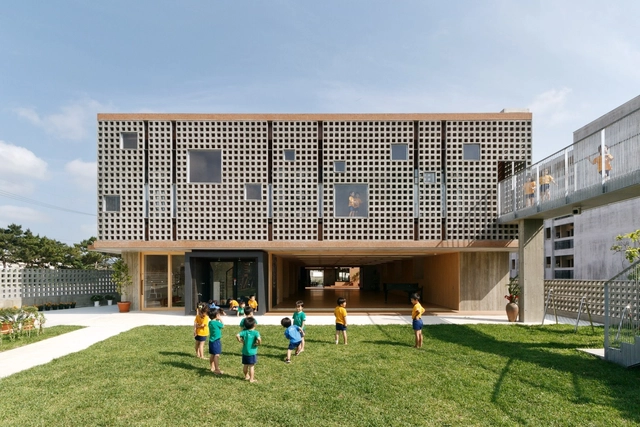
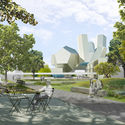
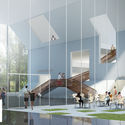
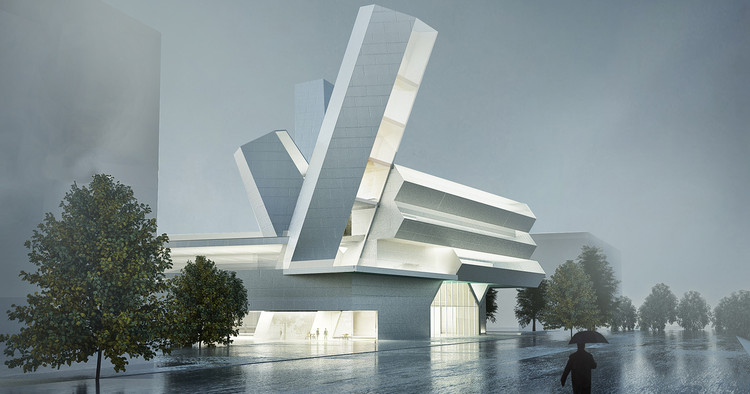
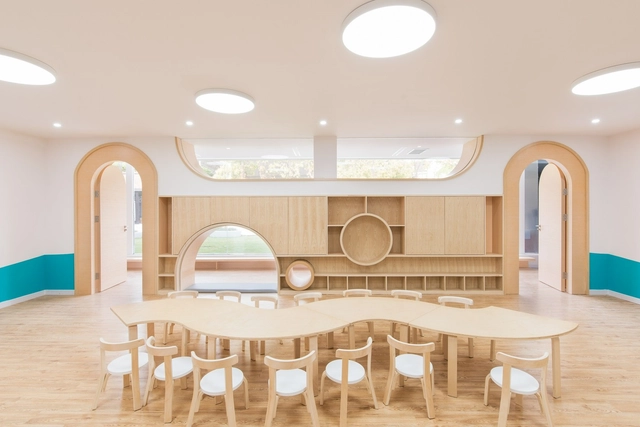
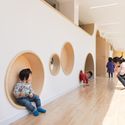
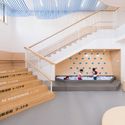
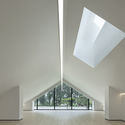
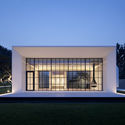
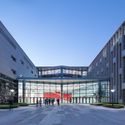
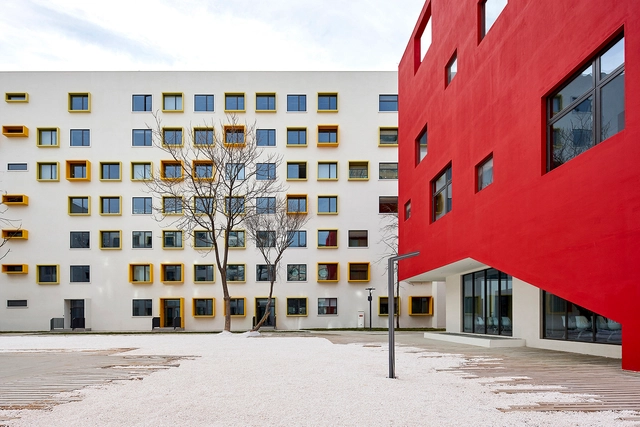
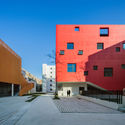
Burlingame Intermediate School. Image courtesy of Hamilton + Aitken Architects.
“When we started out, our goal was to change the world, to do something that would really make a difference to the lives of people,” said Chad Hamilton, AIA LEED AP BD+C, Principal Architect of Hamilton + Aitken Architects (H+AA). “And education is one of the things that really determines how people live the rest of their lives. “So, for us it’s just a wonderful feeling, to improve kids’ educational spaces.”
https://www.archdaily.com/919991/sustainable-school-design-how-hamilton-plus-aitken-architects-maximize-natural-light-using-vectorworksSponsored Post
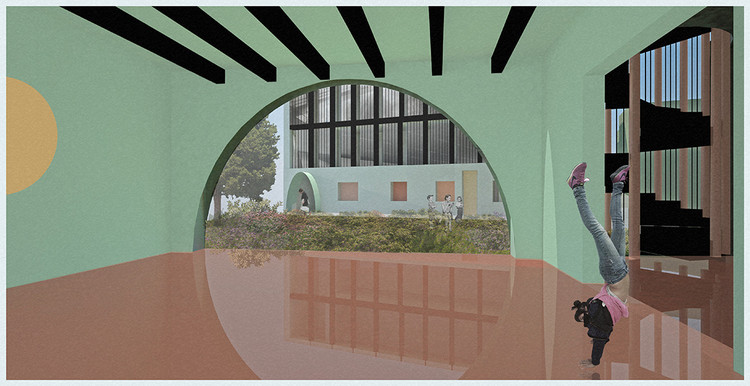
Prague's architecture is known for a patchwork of buildings ranging in styles and eras. A recent proposal for the redesign of the Trojska Skola aims to supplement a similar cohesive attitude to the space. Titled, Dissonant Unity, the project designed by Stefano Corbo Studio explores the ways to incorporate new programs and increased public space to an existing grammar and primary school with an attached sports center, auditorium, and cafeteria.
Did you know that 64 million European children spend more time at school than anywhere else other than their home? European children spend approximately 200 days each year at their primary schools. With this information, how do we go about designing healthier classrooms that create productive learning environments? This question is perhaps more important than ever, as this will be the first time since the 1970s that Europe and the UK will see a boom in the construction and renovation of schools. What a tremendous opportunity this is for both architects and educators to rethink what an educational facility should be and how the physical environment can be designed to have a positive impact on learning.
Within the architecture field, the relationship between design and education has gained prominence, especially when it comes to children’s education. The relationship between architecture, philosophy, and sociology is well known. Frequently, when designing, issues introduced by these fields work as tools to reflect upon the relationship between the space and the user. When we consider children’s education, we must go beyond ergonomics and think of architecture as an educational tool.
The winning design features seven new quadrangles designed around historic features and woodland, integrating sustainable features such as solar connectors and water retention ponds. The competition sought to express UCD’s creative abilities and strengthen its physical presence and identity, signifying a major educational project for the Irish capital.
Architecture schools and the students they house have a particularly unique and interesting building-user relationship. Architecture students value the buildings of their school not only for providing the valuable work space necessary for constructing studio projects but also as an example and model of a building in use. As the buildings are the places where students first learn how to read and understand architecture, design schools become full-scale teaching tools that help new designers grasp structure, details, how materials perform and interact, and so many of the other core concepts of architecture. While the scrutiny of students and faculty can be exhaustive, architects have embraced the challenge of creating engaging works of architecture that both suit the specific needs of a school and take on the pedagogical challenge of educating students by example.
The School of Continuing Studies will frame an architectural gateway at the South edge of the Campus. Image Courtesy of Perkins + Will
Perkins+Will’s triangulated facade scheme has won an international competition for the design of the new School of Continuing Studies at York University’s Keele campus outside of Toronto, Canada.
Beating out proposals from top firms, including finalists HOK andGow Hastings Architects with Henning Larsen, Perkins+Will’s design twists as it rises, both reacting to solar optimization studies and opening up the building to create a new gateway at the campus’ southeast entrance.
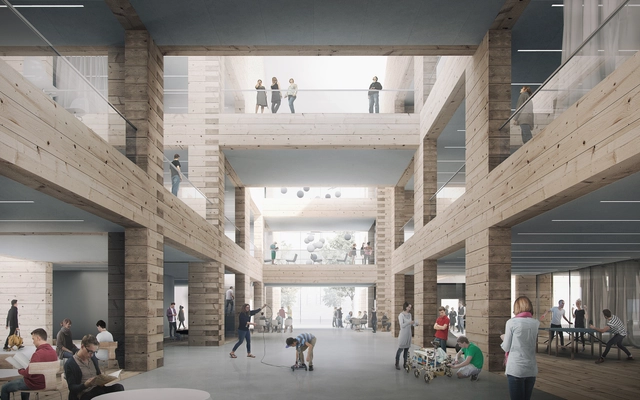
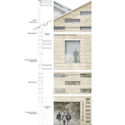
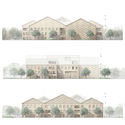
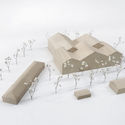
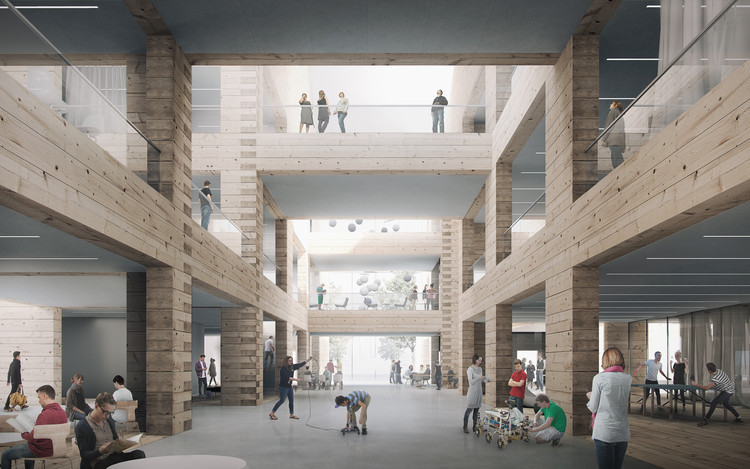
AOR Architects, a young practice based in Helsinki, have won the commission to design Monio High School and Community Centre in Tuusula, Finland. The project explores an innovative use of timber log building and will be the largest timber log school building in the world after its completion. Consisting of a high school, music institute, and community college, AOR’s proposal combines these different programs in a multi-functional learning and community environment.
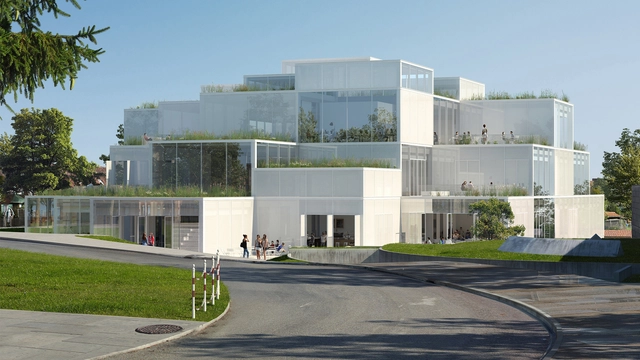
Sou Fujimoto Architects has been selected as the winner of a competition to design the new HSG Learning Center at the University of St. Gallen in Switzerland.
Chosen from a shortlist of 8 teams, Sou Fujimoto Architects’ proposal “Open Grid – Choices of Tomorrow” received the highest marks across the following criteria: architecture and urban planning, innovation in concept execution, functionality, sustainability and economic efficiency. According to the competition jury, the project was notable for its “highly developed didactic concept, compatibility with the district, architectural ambition and affordability.”