1. ArchDaily
  2. Educational Parks

Educational Parks: The Latest Architecture and News

Parc de la Villette Opens New Urban Farm and Rewilded Landscapes in Paris

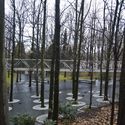
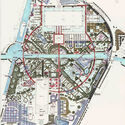
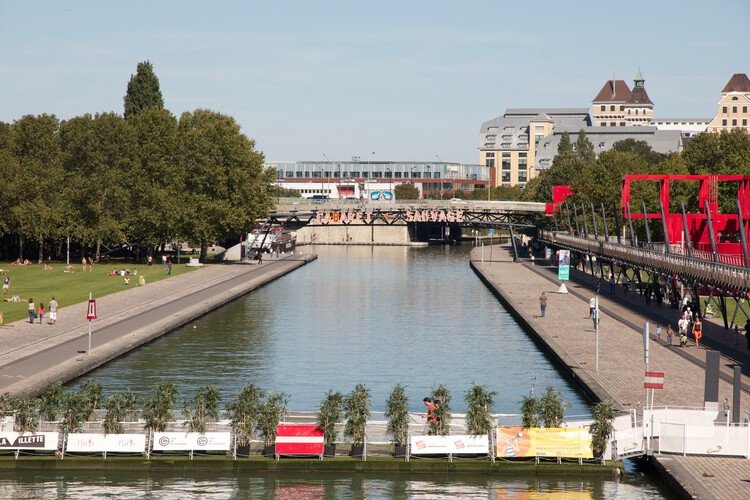
Paris's 19th arrondissement Parc de la Villette is undergoing a major transformation, combining a newly opened urban farm with restored biodiversity as part of a strategy to adapt the 55.5-hectare park to climate change. Masterplanned by Bernard Tschumi in 1982 and opened to the public in 1987, the park stands as a landmark of European modernism in public space design, breaking from the traditional concept of the metropolitan park. With a 15,000-square-meter extension, this major green lung in northeast Paris is reimagining its lawns as a living laboratory for environmental education, where animals, plants, and humans coexist. The extensive renovation follows the addition of Tschumi's HyperTent in 2022, a hyperbolic paraboloid structure functioning as a new ticket booth on the podium of Folie L4, and marks the park's most significant transformation since its inauguration.

Parc de la Villette Opens New Urban Farm and Rewilded Landscapes in Paris - Image 1 of 4Parc de la Villette Opens New Urban Farm and Rewilded Landscapes in Paris - Image 2 of 4Parc de la Villette Opens New Urban Farm and Rewilded Landscapes in Paris - Image 3 of 4Parc de la Villette Opens New Urban Farm and Rewilded Landscapes in Paris - Image 4 of 4Parc de la Villette Opens New Urban Farm and Rewilded Landscapes in Paris - More Images

Unconventional Playgrounds: Built from Junk, Shaped by Concrete, Freed by Play

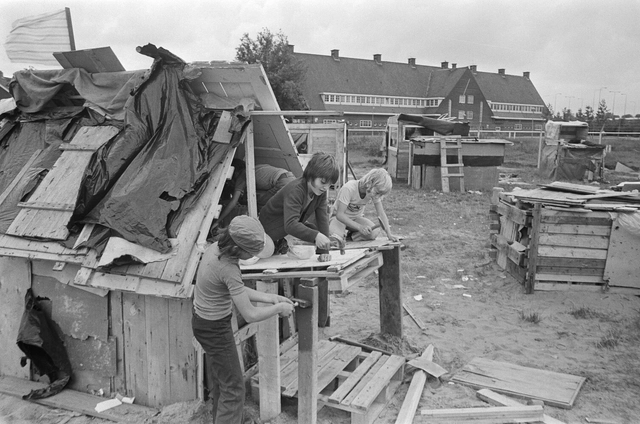
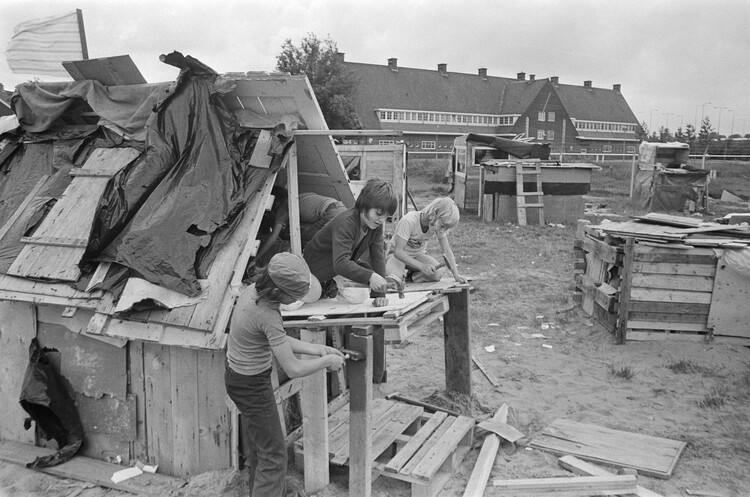
What if the best kind of play isn't the safest? For decades, cities have built playgrounds to be clean, colorful, and easy to supervise. Yet these spaces—designed more for adult peace of mind than for children's curiosity—often strip away what makes play truly transformative: risk, unpredictability, and self-direction. Rising safety standards, shrinking public space, and the commercialization of play equipment have only further narrowed the possibilities for children's independent exploration. From a junkyard in 1940s Copenhagen to the concrete landscapes of postwar Amsterdam, a handful of architects, planners, and activists have challenged the idea that play must be neat and controlled. Their unconventional playgrounds—made of loose parts, raw materials, and abstract forms—gave children the freedom to build, demolish, explore, and get dirty.

Unconventional Playgrounds: Built from Junk, Shaped by Concrete, Freed by Play - Image 1 of 4Unconventional Playgrounds: Built from Junk, Shaped by Concrete, Freed by Play - Image 2 of 4Unconventional Playgrounds: Built from Junk, Shaped by Concrete, Freed by Play - Image 3 of 4Unconventional Playgrounds: Built from Junk, Shaped by Concrete, Freed by Play - Image 4 of 4Unconventional Playgrounds: Built from Junk, Shaped by Concrete, Freed by Play - More Images+ 8

Kindergarten Architecture: Imaginative Spaces Shaping Childhood and Creativity

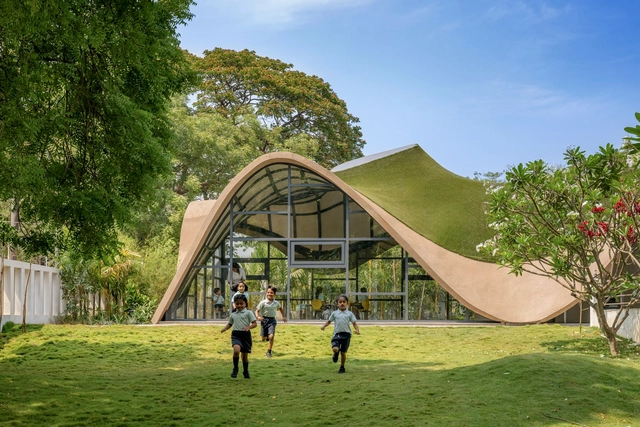
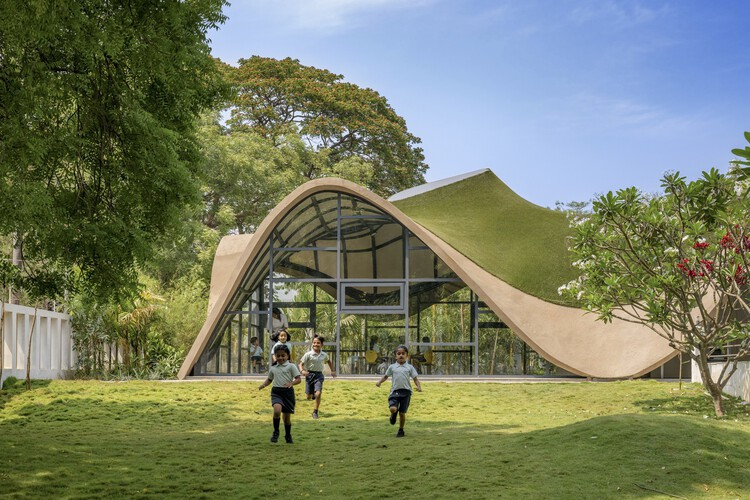
Kindergarten architecture has long stood apart as a realm where design and imagination converge. Unlike most building typologies, these spaces are conceived not only to shelter and function but to shape the earliest experiences of curiosity, play, and social interaction. Throughout history, the design of kindergartens has evolved alongside pedagogical shifts, moving from modest, utilitarian beginnings to highly intentional environments that stimulate both learning and wonder. In this context, architecture becomes more than a backdrop — it becomes a silent educator, capable of nurturing emotional, cognitive, and physical development.

Kindergarten Architecture: Imaginative Spaces Shaping Childhood and Creativity - Image 1 of 4Kindergarten Architecture: Imaginative Spaces Shaping Childhood and Creativity - Image 2 of 4Kindergarten Architecture: Imaginative Spaces Shaping Childhood and Creativity - Image 3 of 4Kindergarten Architecture: Imaginative Spaces Shaping Childhood and Creativity - Image 4 of 4Kindergarten Architecture: Imaginative Spaces Shaping Childhood and Creativity - More Images+ 27

Spaces that Educate: The Role of Architectural Design on International Education Day

Today, the International Day of Education serves as a reminder of the significant impact that architectural design has on learning environments. From flexible classrooms that adapt to diverse teaching methods to outdoor learning areas that integrate natural elements, the architecture of learning spaces embodies the principles of pedagogy, offering opportunities for exploration, collaboration and creativity, all while maintaining a focus on the safety and comfort of all users. This selection of articles explores the potential of design to enhance learning outcomes through spatial exploration, be it inside the classroom, in outdoor spaces or by encouraging larger communities to part-take in the learning process.

Spaces that Educate: The Role of Architectural Design on International Education Day - Image 1 of 4Spaces that Educate: The Role of Architectural Design on International Education Day - Image 2 of 4Spaces that Educate: The Role of Architectural Design on International Education Day - Image 3 of 4Spaces that Educate: The Role of Architectural Design on International Education Day - Image 4 of 4Spaces that Educate: The Role of Architectural Design on International Education Day - More Images+ 10

Antioquia's Educational Parks: 13 Examples of Learning-Centered Infrastructure in Colombia

Subscriber Access | 

Educational architecture is crucial for creating spaces that, not only nurture and mold the minds of the future generations, but also provide spaces for the wider public to come and share knowledge and ideas.