1. ArchDaily
  2. Eficiency

Eficiency: The Latest Architecture and News

Understanding U-Value: The Foundation of Energy-Efficient Envelopes

Subscriber Access | 
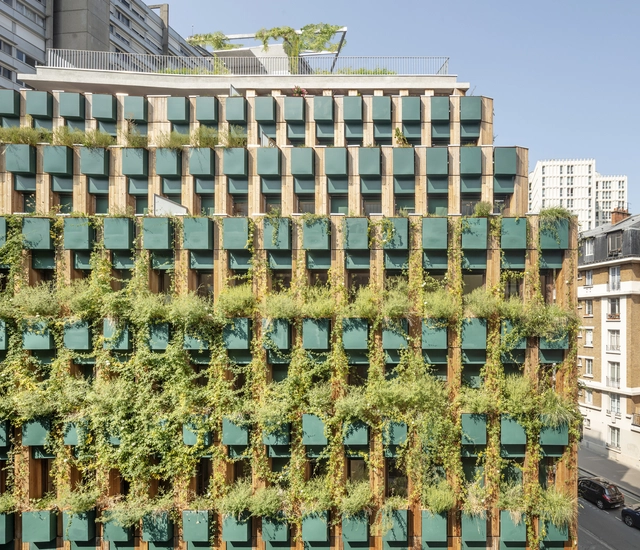
Understanding U-Value: The Foundation of Energy-Efficient Envelopes - Image 1 of 4
© ArchDaily

Much more than merely as a protective skin, the building envelope functions as a thermal regulator that influences operational energy demand, indoor comfort, and long-term efficiency. And before renewable systems or mechanical strategies are introduced, performance begins in section. The way walls, roofs, windows and floors are layered determines how much heat is lost in winter, gained in summer, and ultimately how much energy a building consumes. At the center of this evaluation lies a fundamental metric: the thermal transmittance, or U-value. Understanding how to calculate it is essential for assessing whether an envelope conserves energy or allows it to escape.

Conceptually, thermal transmittance relates heat flow to both surface area and temperature difference. It expresses how much energy crosses one square meter of envelope for each degree of thermal gradient between its two faces.

If we divide 1 m2 of our envelope by the temperature difference between its faces, we will obtain a value that corresponds to the thermal transmittance, also called U-Value. This value tells us a building's level of thermal insulation in relation to the percentage of energy that passes through it; if the resulting number is low we will have a well-isolated surface and, on the contrary, a high number alerts us of a thermally deficient surface.

Self-Sufficient Facades: Where Solar Protection Meets Renewable Energy

 | Sponsored Content

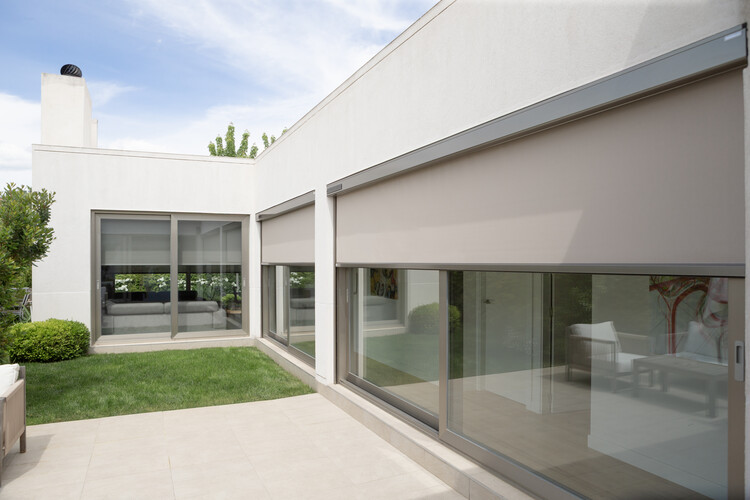
Taking a deeper look at the interplay of light and shadow in architecture seems to be a recurring topic on the agenda of many professionals in the field. Spaces of light and darkness are conceived to enhance circulation and spatial directionality, as well as to highlight the colors, textures, and forms of specific architectural elements. That said, the impact of natural light on building facades reveals the need to develop strategies that support energy savings, improve the thermal and visual comfort of interior spaces, and promote the reduction of carbon emissions. Considering light as another material in architecture, in what ways could its power contribute to the architectural experience?

Self-Sufficient Facades: Where Solar Protection Meets Renewable Energy - Image 1 of 4Self-Sufficient Facades: Where Solar Protection Meets Renewable Energy - Image 2 of 4Self-Sufficient Facades: Where Solar Protection Meets Renewable Energy - Image 3 of 4Self-Sufficient Facades: Where Solar Protection Meets Renewable Energy - Image 4 of 4Self-Sufficient Facades: Where Solar Protection Meets Renewable Energy - More Images+ 1

How to Improve Energy Efficiency in Modernist Buildings?

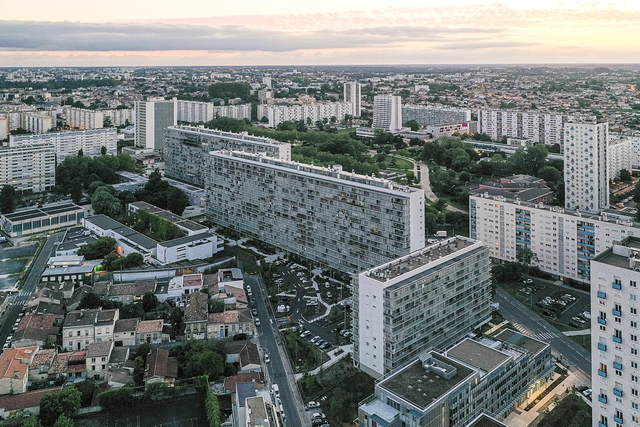
Throughout the history of architecture, energy efficiency, and CO2 emissions were considered marginal issues until the late 20th century. The low scores of some iconic modernist buildings in the Energy Star certification program illustrate this situation. The MetLife/PanAm Building (designed by Walter Gropius and Pietro Belluschi in 1963) received a dismal score of 39 (on a scale of 0 to 100), while the Lever House (designed by Skidmore, Owings & Merrill in 1952) scored 20. The worst performance was by Mies Van der Rohe's iconic Seagram Building, constructed in 1958, which received only 3 points. On the other hand, two revered Art Deco buildings from the 1930s, the Chrysler Building and the Empire State Building achieved scores of 84 and 80, respectively, as a result of extensive upgrades to their mechanical and insulation systems.

How to Improve Energy Efficiency in Modernist Buildings? - Image 1 of 4How to Improve Energy Efficiency in Modernist Buildings? - Image 2 of 4How to Improve Energy Efficiency in Modernist Buildings? - Image 3 of 4How to Improve Energy Efficiency in Modernist Buildings? - Image 4 of 4How to Improve Energy Efficiency in Modernist Buildings? - More Images+ 5

Architecture Inspired by Permaculture: How to Integrate Its Design Principles Across Diverse Contexts

The concept of permaculture refers to a design system capable of creating sustainable human environments based on an ethic and a series of ecological, environmental, and resilience design principles. In contact with plants, animals, buildings, and infrastructures such as water, energy, and/or communications, permaculture analyzes the possible relationships between these elements based on their position in the landscape. Its 12 design principles can be applied in multiple architecture projects of varying scales and programs, contributing, for example, to the dissemination of new ways to reduce energy consumption in homes, save water through rainwater harvesting or the recycling of greywater for sanitary systems, gardens, and more, and participate in food production, among other matters.