1. ArchDaily
  2. ESG

ESG: The Latest Architecture and News

The Triple Bottom Line in Architecture: Developing Properties for People, Planet, and Profit

Prioritizing people and the planet, when it comes to building construction and real estate development, is being seen as more than an ethical mandate - it is a highly profitable approach. Changing market demands, city ordinances, and regulations, and an emphasis on Environmental, Social, and Governance (ESG) factors are all influencing what successful development in the 21st century stands for.

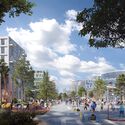
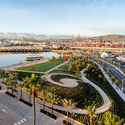
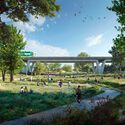
In Toronto, Canada, the ongoing Downsview Airport redevelopment project showcases this mindset in practice. While traditional development has generally focused on maximizing short-term returns, the Downsview project offers a holistic alternative that can invite significant long-term profits, all while addressing broader societal and environmental concerns.
The Triple Bottom Line in Architecture: Developing Properties for People, Planet, and Profit - Image 1 of 4The Triple Bottom Line in Architecture: Developing Properties for People, Planet, and Profit - Image 2 of 4The Triple Bottom Line in Architecture: Developing Properties for People, Planet, and Profit - Image 3 of 4The Triple Bottom Line in Architecture: Developing Properties for People, Planet, and Profit - Image 4 of 4The Triple Bottom Line in Architecture: Developing Properties for People, Planet, and Profit - More Images+ 2

What is Over-Providing? A Strategy for Resilient Architecture

Subscriber Access | 

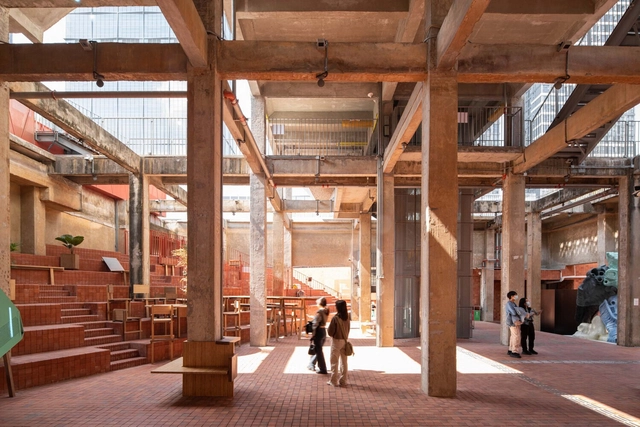
Over-providing traditionally implies offering more than is necessary, often carrying a negative connotation due to the potential for excess and waste. However, could there be scenarios within the built environment where over-providing proves advantageous? The question critically examines how overprovisioning might enhance a building's flexibility and adaptability to diverse and evolving conditions.

The underlying assumption of accurately providing what is needed for a building is that stakeholders—including owners, architects, and designers—can accurately predict and cater to a structure's current and future needs. This assumption, however, is challenging to realize, as societal, economic, and cultural shifts frequently occur in unpredictable ways. In this context, over-providing emerges as a counterintuitive yet potentially beneficial strategy. As buildings and structures inevitably transform, those designed with inherent adaptability reduce the need for costly renovations or complete rebuilds.

What is Over-Providing?  A Strategy for Resilient Architecture - Image 1 of 4What is Over-Providing?  A Strategy for Resilient Architecture - Image 2 of 4What is Over-Providing?  A Strategy for Resilient Architecture - Image 3 of 4What is Over-Providing?  A Strategy for Resilient Architecture - Image 4 of 4What is Over-Providing?  A Strategy for Resilient Architecture - More Images+ 7

UNStudio Designs Tower in Germany, Focusing on Environmental and Social Sustainability

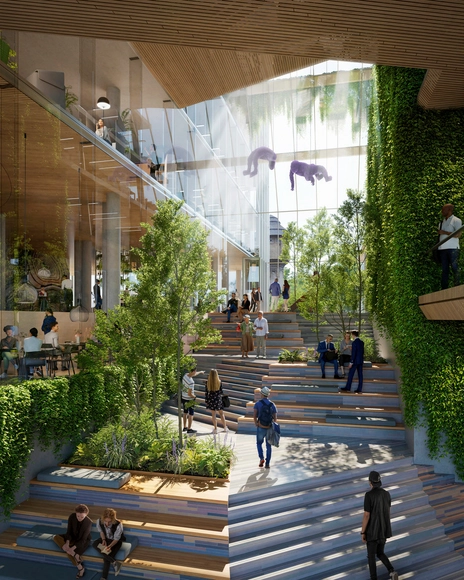
Incorporating the Environmental, social, and corporate governance objectives, the 45,000 m2 Office Tower in the Europaviertel in Frankfurt aims to be one of Germany's most sustainable office buildings. Designed by UNStudio in partnership with Groß & Partner in collaboration with OKRA landscape architects, the project focuses on environmental and social sustainability as an integral part of Frankfurt's green network. The ecological agenda includes a low-carbon load-bearing structure and recyclable construction materials. The architecture program offers a public urban space to add value to its surroundings to encourage communication and gathering.

UNStudio Designs Tower in Germany, Focusing on Environmental and Social Sustainability - Image 1 of 4UNStudio Designs Tower in Germany, Focusing on Environmental and Social Sustainability - Image 2 of 4UNStudio Designs Tower in Germany, Focusing on Environmental and Social Sustainability - Image 3 of 4UNStudio Designs Tower in Germany, Focusing on Environmental and Social Sustainability - Image 4 of 4UNStudio Designs Tower in Germany, Focusing on Environmental and Social Sustainability - More Images+ 4

What is an ESG Metric and How Will it Change the Future of Design?

Subscriber Access | 

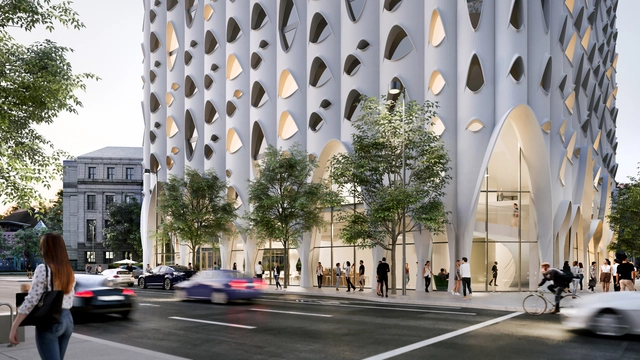
Architects assume a significant amount of responsibility when it comes to considering designs that will be successful for not just their clients, but any person who inhabits or is impacted by their spaces. Topics of sustainability, social inclusion, economic opportunities, and overall urban equity, have consistently been top of mind in recent years, ultimately creating a new holistic approach to designing for a better future, that many people are referring to as Environmental, Social, and Governance metrics, more commonly known as ESG.