1. ArchDaily
  2. espacios públicos

espacios públicos: The Latest Architecture and News

Towards the Renaturalization of Urban Spaces: How 08014 arquitectura's Projects are Reclaiming Barcelona's Streets

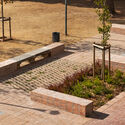
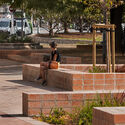
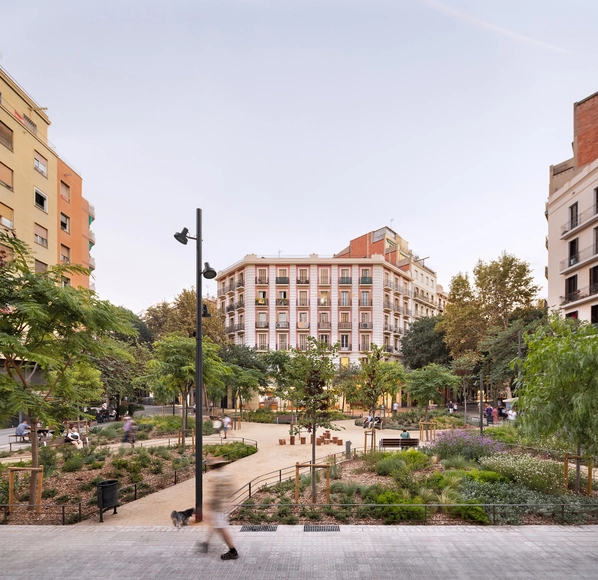
What is urban renaturalization? How is it possible to reintegrate nature into the urban environment? With increasingly limited access to nature for the population and growing exposure to environmental hazards such as noise or air pollution, resource scarcity, climate change, and more, the development of "renaturalized" spaces in cities is seen as a tool capable of improving the quality of life for citizens and designing spaces for gathering, resting, and leisure areas for the common good, while also balancing urban development with biodiversity and the benefits of ecosystems. One of the many architecture firms involved with this concept is 08014 arquitectura, based in Barcelona, which, through its Plaza-jardín Rocafort and Paseo Comte D'Ègara projects, aims to revitalize certain urban areas, paying particular attention to improving the quality of life for citizens and their connection to the natural environment.
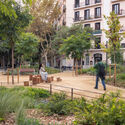
Towards the Renaturalization of Urban Spaces: How 08014 arquitectura's Projects are Reclaiming Barcelona's Streets - Image 1 of 4Towards the Renaturalization of Urban Spaces: How 08014 arquitectura's Projects are Reclaiming Barcelona's Streets - Image 2 of 4Towards the Renaturalization of Urban Spaces: How 08014 arquitectura's Projects are Reclaiming Barcelona's Streets - Image 3 of 4Towards the Renaturalization of Urban Spaces: How 08014 arquitectura's Projects are Reclaiming Barcelona's Streets - Image 4 of 4Towards the Renaturalization of Urban Spaces: How 08014 arquitectura's Projects are Reclaiming Barcelona's Streets - More Images+ 50

Pedestrian Infrastructure: 15 Bridges Connecting Public Spaces and Transforming Cities

Subscriber Access | 

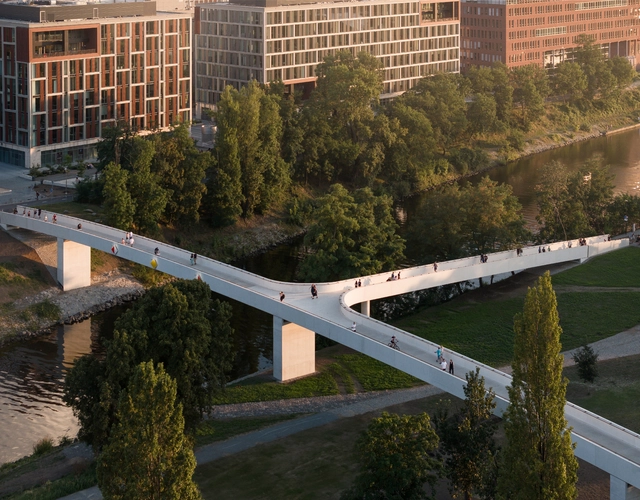
There is growing awareness of the importance of developing pedestrian infrastructure. Bridges and elevated structures enhance the quality of cities by connecting spaces and reducing distances. Their use benefits pedestrians and the thousands of cyclists seeking a more sustainable mode of transportation.

Pedestrian infrastructures, such as bridges, walkways, and widened sidewalks, not only promote sustainable mobility but also contribute to the revitalization of urban areas. Their design can transform underused spaces into active, safe, and accessible places for everyone, enhancing social cohesion and fostering community. By incorporating elements such as greenery, smart lighting, and urban furniture, these structures become more than just thoroughfares: they transform into meeting points and spaces for social interaction.

Pedestrian Infrastructure: 15 Bridges Connecting Public Spaces and Transforming Cities - Image 1 of 4Pedestrian Infrastructure: 15 Bridges Connecting Public Spaces and Transforming Cities - Image 2 of 4Pedestrian Infrastructure: 15 Bridges Connecting Public Spaces and Transforming Cities - Image 3 of 4Pedestrian Infrastructure: 15 Bridges Connecting Public Spaces and Transforming Cities - Image 4 of 4Pedestrian Infrastructure: 15 Bridges Connecting Public Spaces and Transforming Cities - More Images+ 26

New Spaces for Bicycles: The Future of Urban Mobility

Subscriber Access | 

What role will bicycles play in the cities of tomorrow? Their implementation as a more sustainable form of transportation for commuting to work or school, as well as for various household and recreational activities, has become an opportunity for thousands of architects and urban planners.