1. ArchDaily
  2. Experimental

Experimental: The Latest Architecture and News

Designing with What Exists: Rieder’s HQ Expansion Turns Residual Materials into Facade Design

 | In Collaboration

What if industrial leftovers weren't waste, but the start of architectural design? At Rieder's headquarters in Maishofen, Austria, over 1,300 cubic meters of timber, 180 ceiling elements, and hundreds of upcycled glassfiber-reinforced concrete fragments come together in a building shaped as much by reuse as by planning. The new production hall, designed by Kessler² Architecture, treats material leftovers as a design resource. Developed as part of a long-term investment in sustainable manufacturing, the timber-concrete hybrid building introduces a facade technique that inverts conventional architectural workflows: instead of designing first and producing components afterward, the building envelope is generated from the material remnants already available on site establishing a new language for industrial architecture.

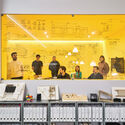
How Do You Make Every Step Count? Buildner Announces Stair Competition Winners and Launches New Edition

 | Sponsored Content

Buildner has announced the results of its international architecture ideas competition, Architect's Stair, and the launch of its third edition.

The event invited designers to reflect on one of architecture's oldest and most symbolic elements: the stair. Beyond its functional role as a connector of levels, the stair was positioned here as a medium of architectural storytelling—an invitation to explore ideas of procession, sequence, space, and form.

For this first edition, participants were asked to conceptualize a stair not as a technical solution but as an expressive artifact—an embodiment of their design sensibility and architectural values. There were no constraints on site, scale, material, or program. Instead, designers were challenged to reimagine the stair as a sculptural, poetic, and even philosophical construct—one that could provoke, question, or elevate our understanding of vertical space.

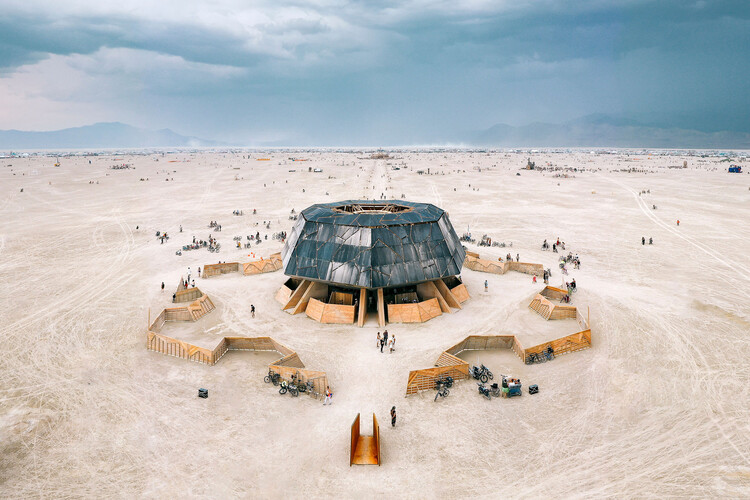
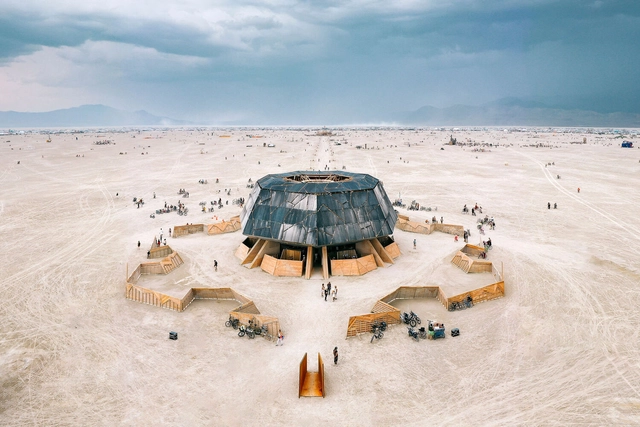
Burning Man 2025: 15 Temporary Installations in the Black Rock Desert

Each year, Burning Man transforms Nevada's Black Rock Desert into a temporary city where large-scale installations define both the landscape and the collective experience. Serving as a platform for experimental design, the event brings together artists, architects, and interdisciplinary teams to create works that blur the boundaries between sculpture and architecture. These temporary structures often function as gathering spaces, landmarks, or immersive environments, embodying the festival's guiding principle of impermanence.

The 2025 edition introduced projects that examined themes of ecology, memory, and connectivity while responding to the challenges of building in the desert. Ranging from intimate interactive pieces to monumental landmarks, the installations encouraged reflection, participation, and community engagement before disappearing at the close of the event.

Burning Man 2025: 15 Temporary Installations in the Black Rock Desert - Image 1 of 4Burning Man 2025: 15 Temporary Installations in the Black Rock Desert - Image 2 of 4Burning Man 2025: 15 Temporary Installations in the Black Rock Desert - Image 3 of 4Burning Man 2025: 15 Temporary Installations in the Black Rock Desert - Image 4 of 4Burning Man 2025: 15 Temporary Installations in the Black Rock Desert - More Images+ 21

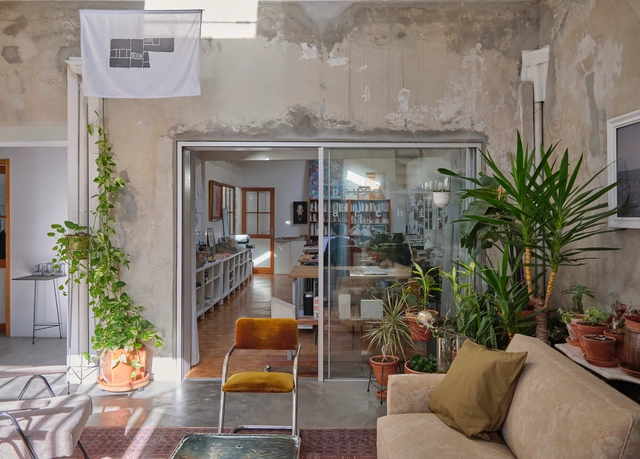
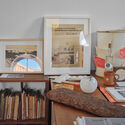
Architecture Offices in Porto Through the Lens of Marc Goodwin

Subscriber Access | 

Porto's architectural legacy has long been shaped by the weight of history and the clarity of form. From the work of Álvaro Siza to the dense network of studios emerging from the city's schools, Porto offers a unique blend of continuity and reinvention. Here, architecture is not only a matter of design but often one of endurance — of working within constraints, of drawing with precision, and of navigating a built environment marked by permanence and resistance to spectacle.

Yet within this persistent context, a new generation of architects has been reshaping the field with quiet determination. Often formed in shared spaces, these practices balance autonomy with collaboration and meticulous detailing with broader urban concerns. Their studios tend to reflect this ethos: modest in scale, defined by adaptive reuse, and rooted in the material reality of the city. In these workspaces, architecture unfolds as a process — sometimes speculative, sometimes grounded — but always reflective of a practice that is deeply local and increasingly global.

Architecture Offices in Porto Through the Lens of Marc Goodwin - Image 1 of 4Architecture Offices in Porto Through the Lens of Marc Goodwin - Image 2 of 4Architecture Offices in Porto Through the Lens of Marc Goodwin - Image 3 of 4Architecture Offices in Porto Through the Lens of Marc Goodwin - Image 4 of 4Architecture Offices in Porto Through the Lens of Marc Goodwin - More Images+ 29