1. ArchDaily
  2. Fast Food

Fast Food: The Latest Architecture and News

Take Out, To-Go, and Delivery: The Innovative Rise of Ghost Kitchens in the Restaurant Industry

Subscriber Access | 

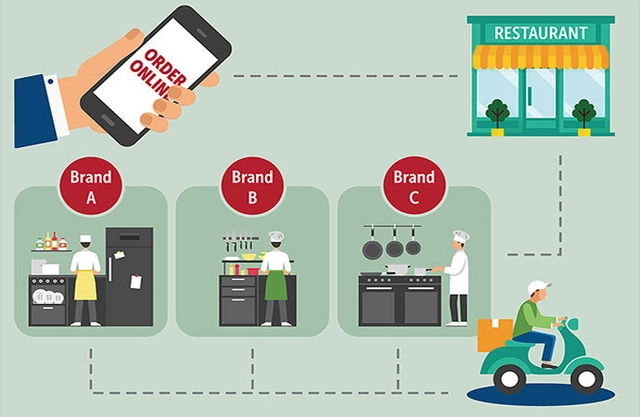
On a cold winter day, if you’re craving a fresh hot pizza, a stack of warm pancakes, or a juicy cheeseburger, it’s easy to turn to an app on your phone to quickly place an order and have it delivered right to your door. But if you’ve ever wondered how restaurants keep up with the demands of diners, those who take food-to-go, and those who order through delivery apps, especially over the last two years of the COVID-19 pandemic, the solution might lie in the rapidly expanding new trend of Ghost Kitchens.
Ross Barney Architects' CLT Design for McDonald's Expands the Possibilities of Timber Construction

Ross Barney Architects' CLT Design for McDonald's Expands the Possibilities of Timber Construction - Image 1 of 4
© Kendall McCaugherty, Hall+Merrick Photographers

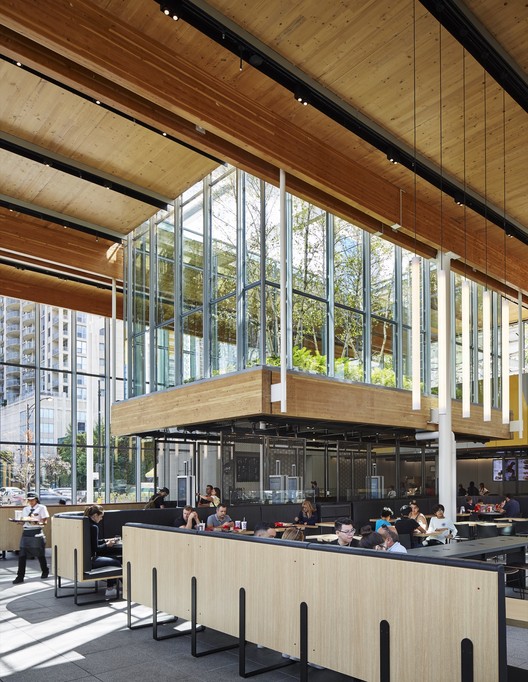
In an effort to reinvent an iconic American fast-food brand, McDonald’s U.S. has announced a new direction for the corporation, beginning with rethinking the restaurant’s current archetypal design both in its interior eating spaces and exterior urban landscape. A primary example of this commitment can be seen in the recently completed design for McDonald’s Global Flagship in Chicago by Ross Barney Architects.

The structure, which fills an entire city block in the heart of Chicago, was envisioned as a hallmark example of both the architect and the corporation's shared commitment to environmentally sustainable design. Cross Laminated Timber (CLT), an essential material for the project, replaced many of the commonly-used building materials such as steel, concrete, and plastics that have a larger environmental footprint.

The High Design of A Happy Meal: What The Evolution of McDonald's Tells Us About Architectural Experimentation

Subscriber Access | 

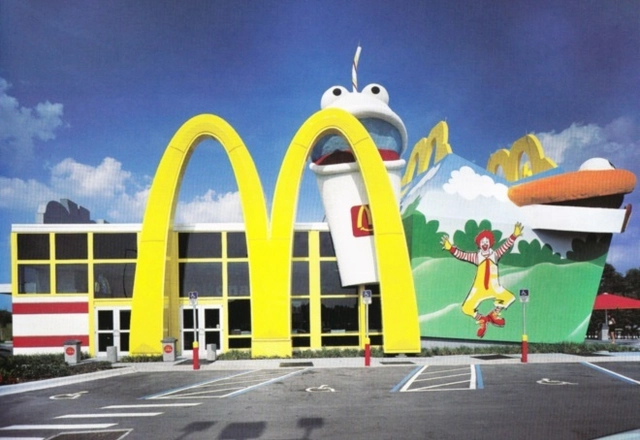
You might not think of McDonald’s as the pinnacle of architectural style, but even the world’s largest fast-food franchise has taken some bold design risks. While the literal “secret sauce” has largely remained the same since the inception of the iconic golden arches, McDonald’s has had its fair share of experimentation and has even hired some of the profession’s most prominent names to put their own spin on the design of these restaurants- turning the repetitive and mundane into one of a kind experiences.

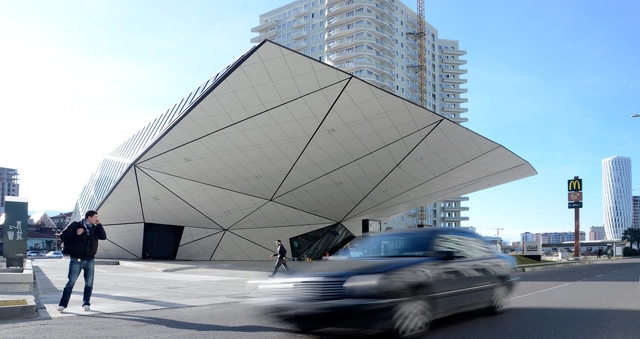
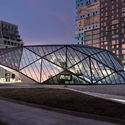
The High Design of A Happy Meal: What The Evolution of McDonald's Tells Us About Architectural Experimentation - Image 1 of 4The High Design of A Happy Meal: What The Evolution of McDonald's Tells Us About Architectural Experimentation - Image 2 of 4The High Design of A Happy Meal: What The Evolution of McDonald's Tells Us About Architectural Experimentation - Image 3 of 4The High Design of A Happy Meal: What The Evolution of McDonald's Tells Us About Architectural Experimentation - Image 4 of 4The High Design of A Happy Meal: What The Evolution of McDonald's Tells Us About Architectural Experimentation - More Images+ 5

Fast Food Slowed Down: What's Behind the All the Redesigns - and Is It Enough?

Subscriber Access | 

Some restaurants don’t need a review to get attention. You might know them for their longevity, their presence, or even just their advertisements. But most importantly, whether it’s their grand luminous logo, or the building’s prominent architecture and color palette, these franchises are more or less the same (the menu, the music, the interior design…), wherever you are, be it London, Lima, or Lahore.

Recently, however, a few of these places have begun to shift away from the “architectural stamp” that they use in all their branches, hiring design firms to rebrand their restaurants - and by extension, their image. This bespoke approach can result in outposts that are atypically site-specific, understated, and individual. For users, it may be a point of curiosity; a reason to revisit what you think you already know. For the brand, it's an attempt to cater to evolving tastes (culinary and otherwise) without having to alter the core product.

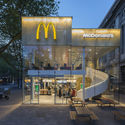
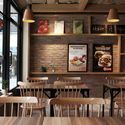
Fast Food Slowed Down: What's Behind the All the Redesigns - and Is It Enough?  - Image 1 of 4Fast Food Slowed Down: What's Behind the All the Redesigns - and Is It Enough?  - Image 2 of 4Fast Food Slowed Down: What's Behind the All the Redesigns - and Is It Enough?  - Image 3 of 4Fast Food Slowed Down: What's Behind the All the Redesigns - and Is It Enough?  - Image 4 of 4Fast Food Slowed Down: What's Behind the All the Redesigns - and Is It Enough?  - More Images+ 15

Good Taste and the Transformation of McDonald's

Subscriber Access | 
Good Taste and the Transformation of McDonald's - Featured Image
Courtesy of McDonald's, via Metropolis Magazine

This article was originally published on Metropolis Magazine as "Will the Culture of Good Taste Devour McDonald's?"

At a new corporate headquarters in Chicago’s West Loop neighborhood, there’s a double-height lobby filled with green walls and massive art installations. Travel to its top floor roof deck and you’ll find a cozy fire pit next to a fitness center and bar (happy hours are on Thursday). Elsewhere, stair-seating terraces face floor-to-ceiling windows with views of the Chicago skyline. This vertical campus settles in peaceably among its tony Randolph Street neighbors—Michelin stars, tech giants, and boutique hotels. At first glance, it’s refined and tasteful enough to be any one of these.