1. ArchDaily
  2. Finance

Finance: The Latest Architecture and News

The Line at a Crossroads: Revisiting NEOM's Vision for a Utopian City

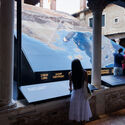
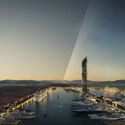
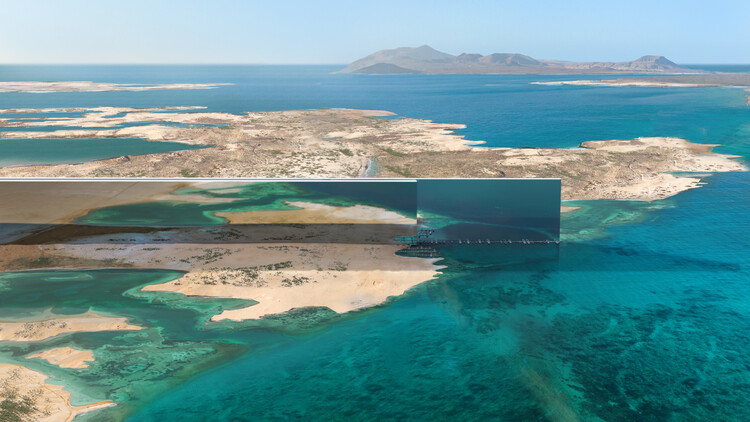
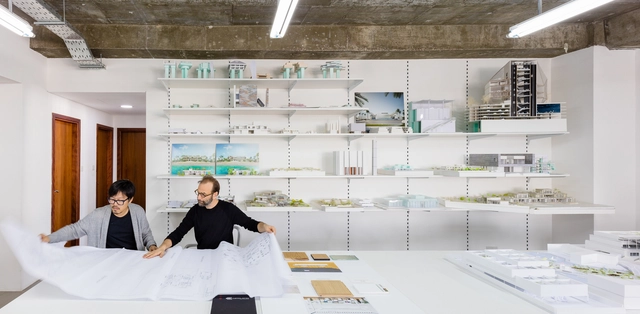
In 2023, ArchDaily's editor-in-chief sat down with Tarek Qaddumi, Executive Director of the Line Design at NEOM, at the closing of the Line Exhibition in Riyadh. Qaddumi described a layered, three-dimensional city organized around the idea of a "five-minute sphere" of access: walkable communities stacked vertically, connected by high-speed rail, freed from cars and conventional street infrastructure, and designed to coexist symbiotically with the surrounding natural landscape. It was a compelling vision, and in the context of the moment, it was simultaneously credible and appealing. For architects and urban thinkers grappling with the failures of twentieth-century city-building, the ideas articulated were worth engaging and planning.
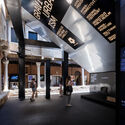

The Line at a Crossroads: Revisiting NEOM's Vision for a Utopian City - Image 1 of 4The Line at a Crossroads: Revisiting NEOM's Vision for a Utopian City - Image 2 of 4The Line at a Crossroads: Revisiting NEOM's Vision for a Utopian City - Image 3 of 4The Line at a Crossroads: Revisiting NEOM's Vision for a Utopian City - Image 4 of 4The Line at a Crossroads: Revisiting NEOM's Vision for a Utopian City - More Images+ 5

How to Measure Performance for Architecture and Design Firms?

Subscriber Access | 

The field of architecture and design is a dynamic one, often managing large-scale investments and involving a wide array of professionals. It stands to reason that, in this type of environment, success is not simply defined by just the quality of the completed structures, but also by the internal ability of architecture firms to effectively manage their business operations. For architects and designers, measuring performance goes beyond financial metrics; it encompasses a diverse range of factors that reflect the firm's efficiency, creativity, and impact within the industry.

Several key metrics can be measured, from financial goals to client relationship management, innovation, influence, and professional development, all helping architects and designers gauge their performance from different perspectives. As the famous saying goes, “What gets measured gets managed.” To help in this effort, Monograph's 2024 Architecture Business Benchmarks Report offers a thorough examination of five key metrics.

How to Measure Performance for Architecture and Design Firms? - Image 1 of 4How to Measure Performance for Architecture and Design Firms? - Image 2 of 4How to Measure Performance for Architecture and Design Firms? - Image 3 of 4How to Measure Performance for Architecture and Design Firms? - Image 4 of 4How to Measure Performance for Architecture and Design Firms? - More Images+ 11

2023's Public Architecture in China: Exploring Emerging Hubs and Established Urban Centers

Subscriber Access | 

In the dynamic landscape of contemporary urban development, public architecture is an essential force in reshaping cities. In fact, this element of urban regeneration can revitalize economies and reactivate surrounding commercial schemes. In this transformative era, cities across China have evolved into financial hubs, attracting world-renowned firms and architects who are redefining these skylines. In turn, these metropolises become embodiments of future innovation and lifestyle.

China's cities have become centers of modernity as a result of its explosive prominence in the world economy. These cities have become magnets for architectural marvels that go beyond simple functionality, from Shanghai's ceaseless reinvention to Beijing's cultural renaissance and Shenzhen's undeniable emergence as a global center in technology, research, manufacturing, business, economics, finance, tourism, and transportation, complete with the Port of Shenzhen, the world's fourth busiest container port. Overall, these cities are a crucial gateway in understanding the developing dynamics in metropolitan environments.

2023's Public Architecture in China: Exploring Emerging Hubs and Established Urban Centers - Image 1 of 42023's Public Architecture in China: Exploring Emerging Hubs and Established Urban Centers - Image 2 of 42023's Public Architecture in China: Exploring Emerging Hubs and Established Urban Centers - Image 3 of 42023's Public Architecture in China: Exploring Emerging Hubs and Established Urban Centers - Image 4 of 42023's Public Architecture in China: Exploring Emerging Hubs and Established Urban Centers - More Images+ 1

Are Carbon-Neutral Buildings Expensive?

Decarbonization of the building sector is no longer a choice but a necessity. As nations strive to curb their greenhouse gas emissions by 2050, it is increasingly clear that current building standards do not go far enough to drive tangible change. Achieving climate goals requires economies to advocate measures that drive carbon neutrality while managing associated costs effectively. How would net-zero performance strategies impact building costs?

Are Carbon-Neutral Buildings Expensive? - Image 1 of 4Are Carbon-Neutral Buildings Expensive? - Image 2 of 4Are Carbon-Neutral Buildings Expensive? - Image 3 of 4Are Carbon-Neutral Buildings Expensive? - Image 4 of 4Are Carbon-Neutral Buildings Expensive? - More Images+ 1

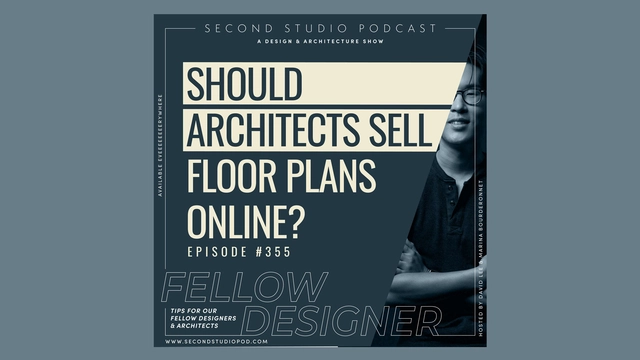
The Second Studio Podcast: Should Architects Sell Floor Plans Online?

The Second Studio (formerly The Midnight Charette) is an explicit podcast about design, architecture, and the everyday. Hosted by Architects David Lee and Marina Bourderonnet, it features different creative professionals in unscripted conversations that allow for thoughtful takes and personal discussions.

A variety of subjects are covered with honesty and humor: some episodes are interviews, while others are tips for fellow designers, reviews of buildings and other projects, or casual explorations of everyday life and design. The Second Studio is also available on iTunes, Spotify, and YouTube.

This week David and Marina of FAME Architecture & Design discuss whether or not architects should sell their floor plans online. The two cover the financial benefits of selling plans, making good floor plans accessible to more people, the downsides of selling partial services, quality concerns, the future of the profession, prioritizing speed and efficiency in design, why architects are often not used on projects, and more.

UNStudio Begins Construction on Visionary Financial Forum in Georgia

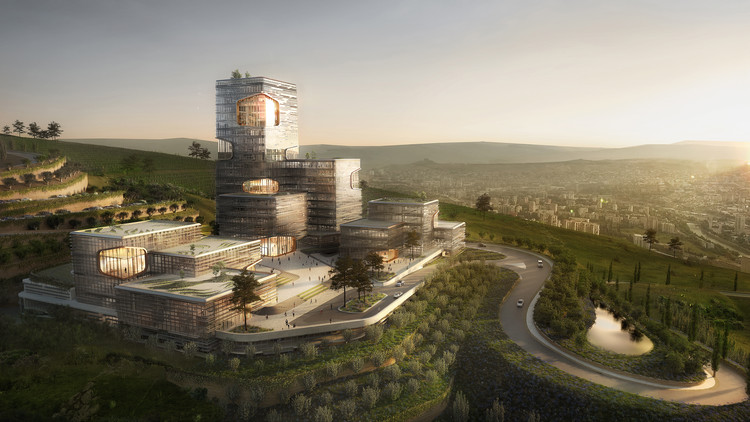
UNStudio has broken ground on their TBC Forum in Tbilisi, Georgia, exploring a “new open, flexible and interactive approach to financial institutions.” Departing from the traditional closed, introverted typology of historic banking structures, the TBC Forum is founded on the design principles of flexibility, and transparency.

Situated in the natural surroundings of the Lisi Lake resort, the TBC Forum is strategically placed to form a contemporary yet respectful interpretation of the historic highland stone-and-mortar village of Shatili.  

UNStudio Begins Construction on Visionary Financial Forum in Georgia - Image 1 of 4UNStudio Begins Construction on Visionary Financial Forum in Georgia - Featured ImageUNStudio Begins Construction on Visionary Financial Forum in Georgia - Image 2 of 4UNStudio Begins Construction on Visionary Financial Forum in Georgia - Image 3 of 4UNStudio Begins Construction on Visionary Financial Forum in Georgia - More Images+ 8

Mega-Tall Skyscrapers Herald Economic Depression, Says Barclays

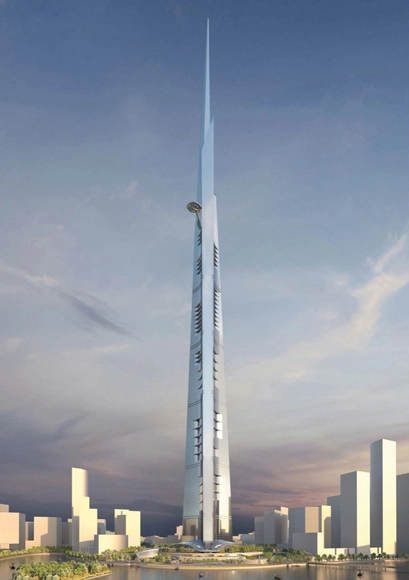
The world economy has endured a series of crises over the past century, and architecture has recently been recognized as a harbinger of these crises. Two years ago, British finance group Barclays released an index of skyscraper construction projects that correlate with the occurrence of economic downturns since 1873. Many of the tallest buildings in the world have been built at times of severe economic struggle, the most recent being Dubai's Burj Khalifa, built during the Great Recession of 2007 through 2010. According to Barclays, "the world’s tallest buildings are simply the edifice of a broader skyscraper building boom, reflecting a widespread misallocation of capital and an impending economic correction."

All the major financial crises in the past century, and the buildings that predicted them after the break...