1. ArchDaily
  2. Forward Thinking Architecture

Forward Thinking Architecture: The Latest Architecture and News

Expanding Practice: Architecture Think Tanks at the Intersection of Research and Design

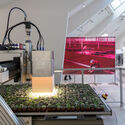
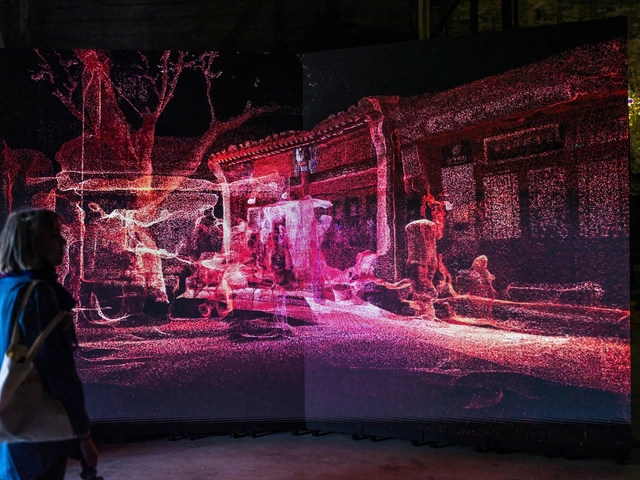
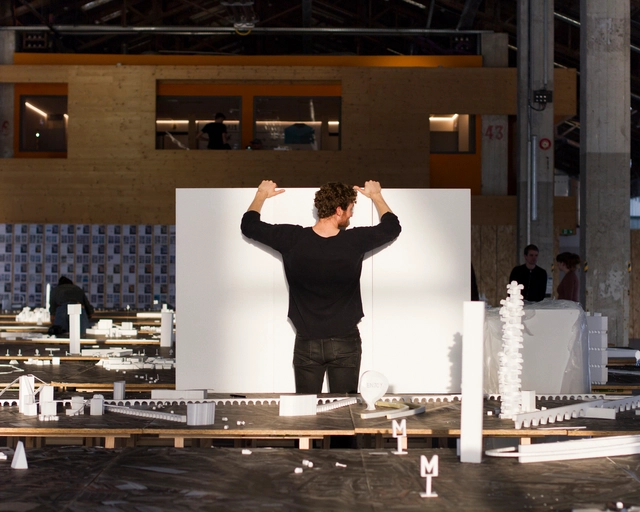
In architecture, most practices revolve around delivering projects to clients. Offices are shaped by deadlines, budgets, and clear briefs. While this structure produces buildings, it rarely leaves space for architects to question broader issues — about how we live, how cities are changing, or what the future demands of design. But alongside this production-focused system, a quieter movement has emerged: studios, collectives, and foundations that prioritize research, experimentation, and reflection. These are the architecture think tanks — spaces designed not to build immediately, but to think first.

The idea of a think tank is not new. Traditionally found in politics, economics, or science, think tanks bring together experts to study complex problems and propose solutions. In architecture, their rise reveals a tension at the heart of the discipline. If architecture is to remain socially and environmentally relevant, can it continue to rely only on client-driven practice? Or must it carve out space for slower, deeper inquiry?

Expanding Practice: Architecture Think Tanks at the Intersection of Research and Design - Image 1 of 4Expanding Practice: Architecture Think Tanks at the Intersection of Research and Design - Image 2 of 4Expanding Practice: Architecture Think Tanks at the Intersection of Research and Design - Image 3 of 4Expanding Practice: Architecture Think Tanks at the Intersection of Research and Design - Image 4 of 4Expanding Practice: Architecture Think Tanks at the Intersection of Research and Design - More Images+ 48

Architecture in the Age of Platforms: What Role Does Software Play in Practice Today?

Subscriber Access | 

How many software tools and platforms are involved today in developing a contemporary project? From designing a single-family house to a public library, relying on just one or two programs is no longer common. Instead, multiple tools combine, overlap, and interact throughout various stages, including analysis, design, rendering, coordination, and construction. This widespread use of software in the virtual world reflects not only the technical complexity of today's practice but also a more subtle yet equally significant shift: software has become less a specific tool and more an environment that accompanies and even challenges the process.

These Floating Farms Could Be Key to Feeding Future Populations

Subscriber Access | 

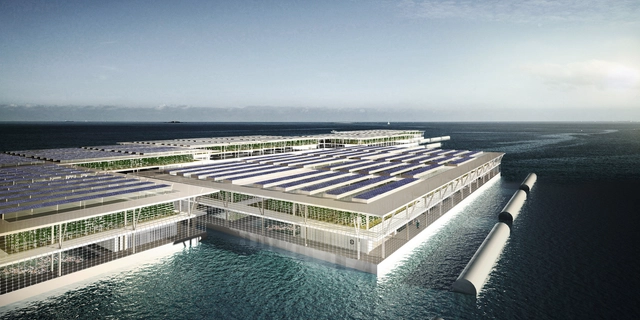
Tap a button on your phone and hop into the shower; walk downstairs 15 minutes later, and you have a fresh pot of coffee waiting for you. That’s a ritual that is no longer just a fantasy for many people. The rise of the internet of things has allowed us to control remote appliances with just a tap of the touchscreen. Until now, the scale of these processes has largely been limited to personal devices: anything from brewing a pot of coffee to warming up your car on a frosty morning. But what if we could grow food for thousands of people, with that same tap of a button? That is the goal of Forward Thinking Architecture’s “Smart Floating Farms” project.

These Floating Farms Could Be Key to Feeding Future Populations - Image 1 of 4These Floating Farms Could Be Key to Feeding Future Populations - Image 2 of 4These Floating Farms Could Be Key to Feeding Future Populations - Image 3 of 4These Floating Farms Could Be Key to Feeding Future Populations - Image 4 of 4These Floating Farms Could Be Key to Feeding Future Populations - More Images+ 2