1. ArchDaily
  2. Garrett Eckbo

Garrett Eckbo: The Latest Architecture and News

Modernism Reconsidered: Revisiting the Movement’s Complex Relationship with Sustainability

Modernism emerged in the early 20th century as a revolutionary movement that rejected historical styles, prioritizing functionality, innovation, and rationality. Grounded in the promise of industrial progress, architects like Walter Gropius, Le Corbusier, and Ludwig Mies van der Rohe championed using new materials and construction methods, striving for a universal architectural language. Their work introduced radical ideas: open floor plans, expansive glazing for natural light, and pilotis that elevated structures, symbolizing a new architectural era. However, alongside its groundbreaking ideas, modernism's relationship with sustainability has sparked ongoing debates.

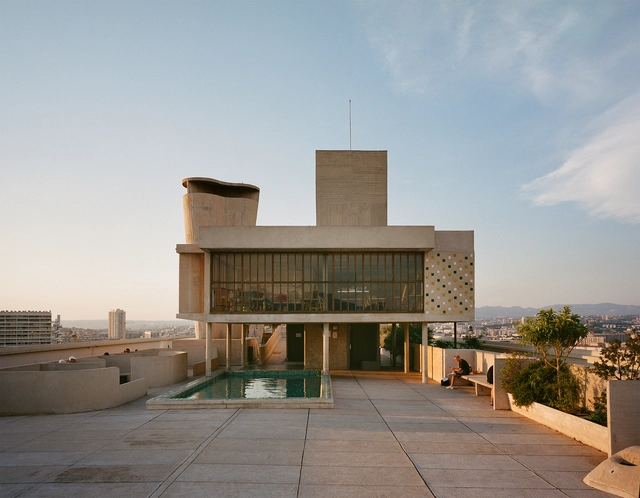
While modernist architects sought to address social and economic challenges through affordable housing and efficient design, their reliance on energy-intensive materials like concrete and steel created unintended environmental consequences. The large-scale industrialization celebrated by modernists often disregarded local climates and ecological systems, leading to inefficiencies. Yet, the principles of functionality and adaptability embedded in modernist architecture laid the groundwork for what we now recognize as sustainable practices. From Le Corbusier's rooftop gardens to Frank Lloyd Wright's integration of nature, the seeds of environmentally conscious design were undeniably present, albeit limited in their execution.


Modernism Reconsidered: Revisiting the Movement’s Complex Relationship with Sustainability - Image 1 of 4Modernism Reconsidered: Revisiting the Movement’s Complex Relationship with Sustainability - Image 2 of 4Modernism Reconsidered: Revisiting the Movement’s Complex Relationship with Sustainability - Image 3 of 4Modernism Reconsidered: Revisiting the Movement’s Complex Relationship with Sustainability - Image 4 of 4Modernism Reconsidered: Revisiting the Movement’s Complex Relationship with Sustainability - More Images+ 25

Exploring the Legacy of Modernism in Landscape Architecture

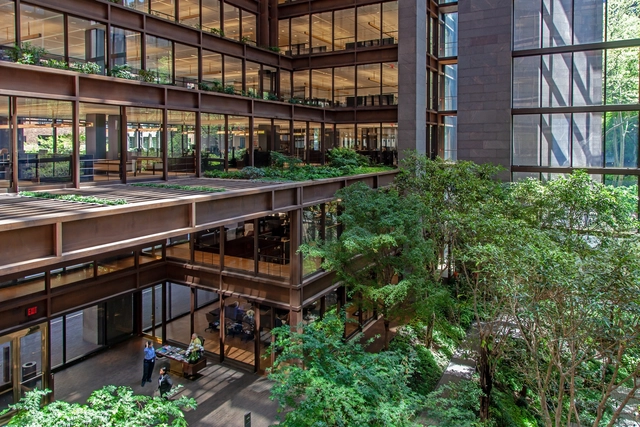
Modernist landscape architecture marked a radical shift from traditional garden designs, emphasizing simplicity, functionality, and a stronger connection between people and their environments. From the 1930s through the 1960s, this movement saw the emergence of visionary landscape architects who integrated form and function in ways that redefined outdoor spaces. Their designs responded to the rapidly evolving urban landscapes of the time, prioritizing usability and creating environments that could accommodate modern life. The enduring influence of these principles continues to shape contemporary practices, while also presenting unique challenges in preservation as these landscapes age.

Exploring the Legacy of Modernism in Landscape Architecture - Image 1 of 4Exploring the Legacy of Modernism in Landscape Architecture - Image 2 of 4Exploring the Legacy of Modernism in Landscape Architecture - Image 3 of 4Exploring the Legacy of Modernism in Landscape Architecture - Image 4 of 4Exploring the Legacy of Modernism in Landscape Architecture - More Images+ 18