1. ArchDaily
  2. herrmann+bosch architekten

herrmann+bosch architekten: The Latest Architecture and News

Parking Garages: Antithesis or Opportunity for 21st-Century Urbanism?

Subscriber Access | 

In an era of people-centered urban planning, 15-minute cities, “eyes on the street,” and active public spaces, parking garages are often seen as the antithesis of contemporary urban ideals. But that was not always the case. If today they challenge architects and planners to reinvent them in pursuit of more sustainable mobility and more human cities, in the past they stood as witnesses to a radical transformation in how we move, inhabit, and perceive urban space. Once symbols of modernity, parking garages embodied the height of an age when the automobile was seen as a driving force of progress. This shift in meaning reveals them as much more than utilitarian structures — they are powerful reflections of the evolution of urbanism, technology, and social habits over the past two centuries.
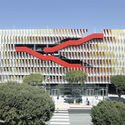
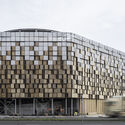
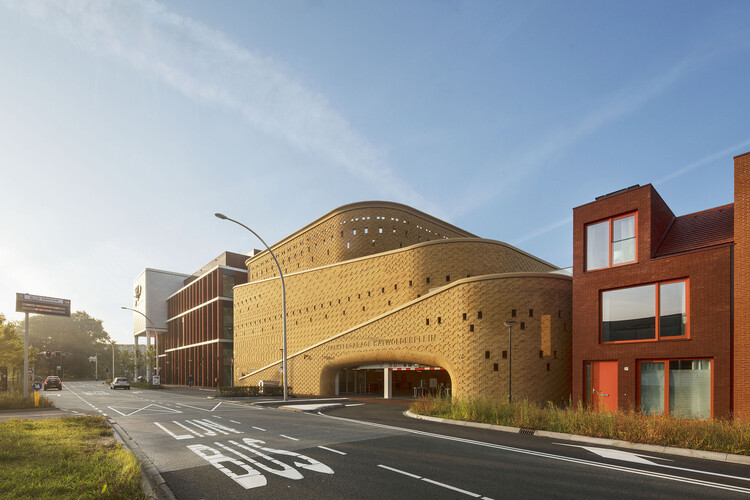
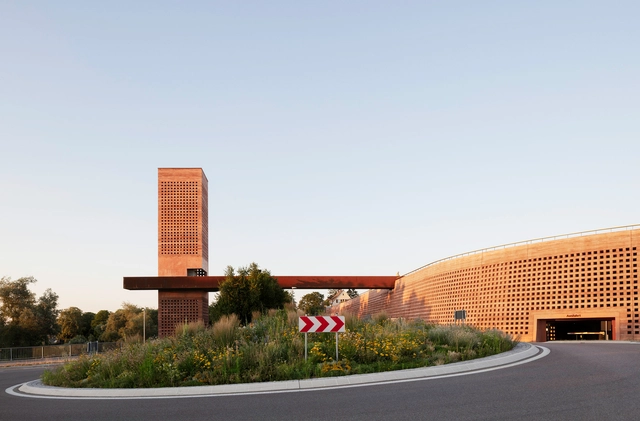
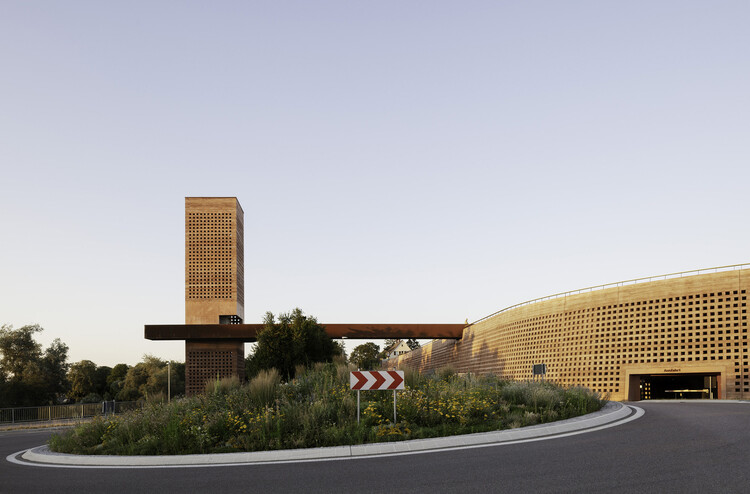
Parking Garages: Antithesis or Opportunity for 21st-Century Urbanism? - Image 1 of 4Parking Garages: Antithesis or Opportunity for 21st-Century Urbanism? - Image 2 of 4Parking Garages: Antithesis or Opportunity for 21st-Century Urbanism? - Image 3 of 4Parking Garages: Antithesis or Opportunity for 21st-Century Urbanism? - Image 4 of 4Parking Garages: Antithesis or Opportunity for 21st-Century Urbanism? - More Images+ 52

More Than Parking: 12 Projects to Reclaim Urban Space

Subscriber Access | 

Marginalized in architectural discourse and often dismissed as purely functional, parking garages remain among the most ubiquitous structures in the urban landscape. Designed to accommodate the needs of private vehicles, they occupy central locations, shape skylines, and consume considerable resources, yet rarely receive the same attention — or architectural care — as cultural institutions, schools, or housing. Despite their prevalence, these buildings tend to fade into the background of daily life, treated as infrastructural necessities rather than as design opportunities.

This is beginning to change. As urban mobility undergoes profound transformations — from the decline of car ownership to the rise of electric vehicles and shared transport systems — the role of parking infrastructure is being redefined. Architects and planners are reimagining garages as adaptable frameworks that integrate public space, ecological functions, and mixed-use programs. These new approaches challenge the perception of parking as a residual typology and instead position it as a civic structure with the potential to support more inclusive, flexible, and sustainable urban models.

More Than Parking: 12 Projects to Reclaim Urban Space - Image 1 of 4More Than Parking: 12 Projects to Reclaim Urban Space - Image 2 of 4More Than Parking: 12 Projects to Reclaim Urban Space - Image 3 of 4More Than Parking: 12 Projects to Reclaim Urban Space - Image 4 of 4More Than Parking: 12 Projects to Reclaim Urban Space - More Images+ 26