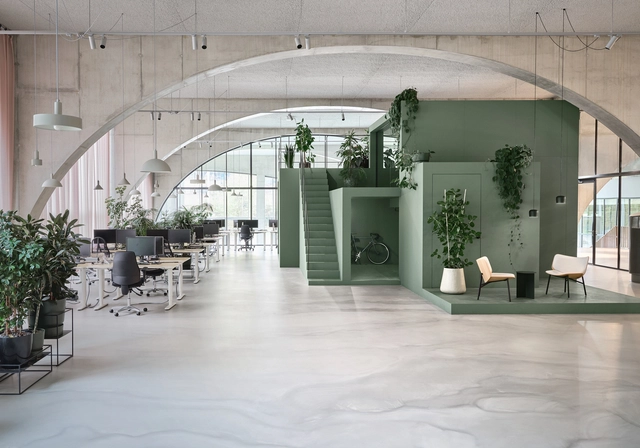
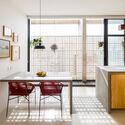
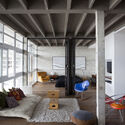
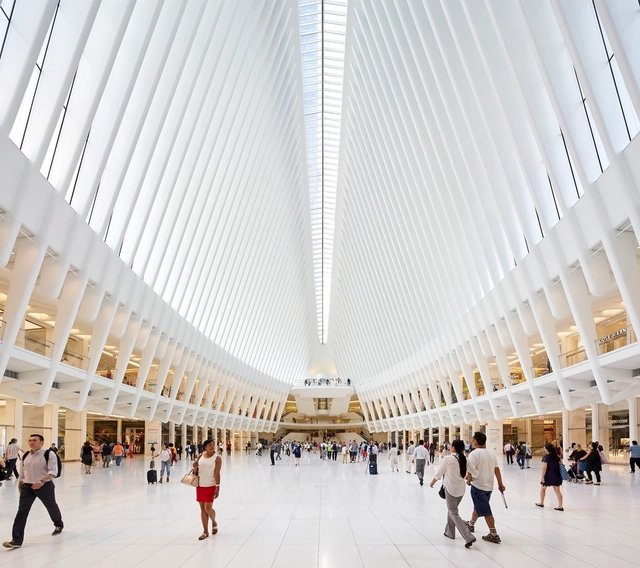
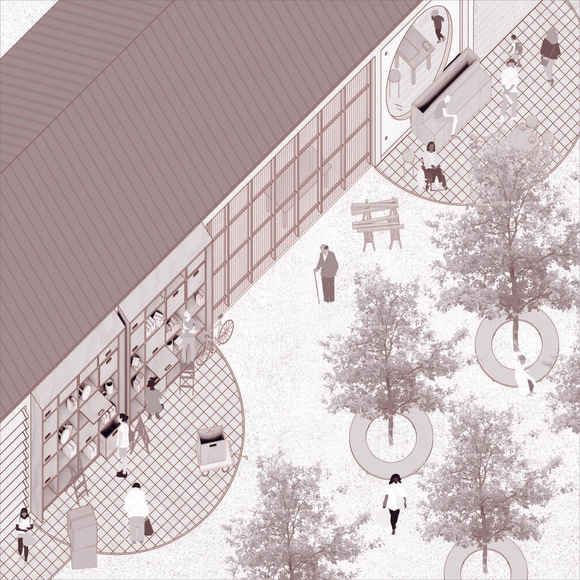
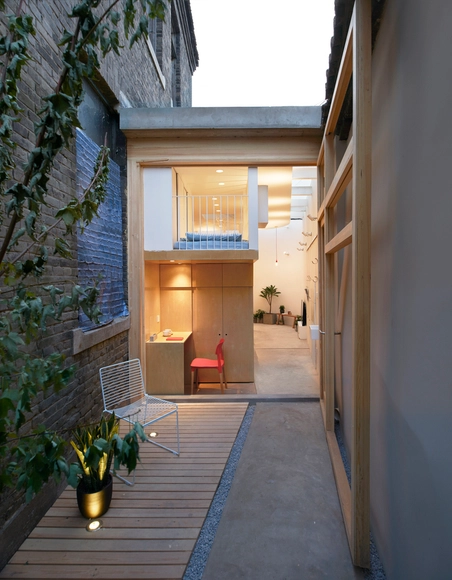
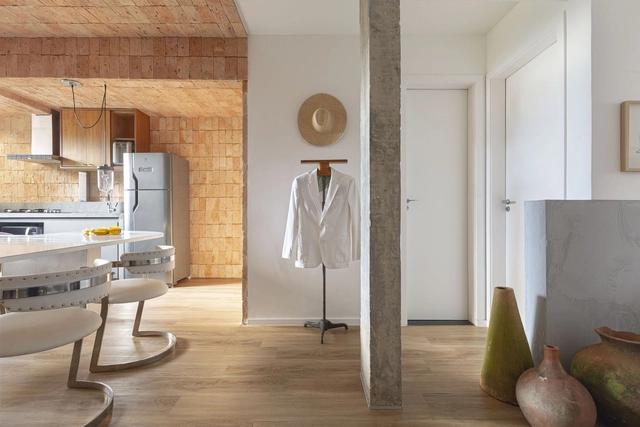
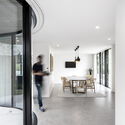
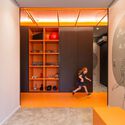
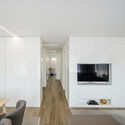
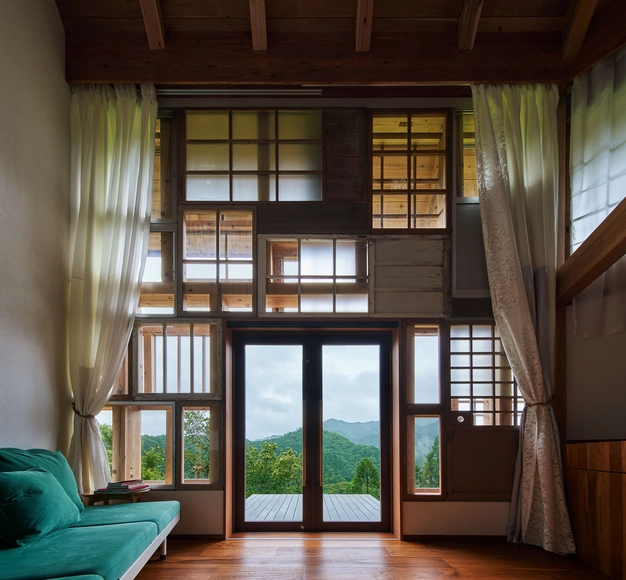
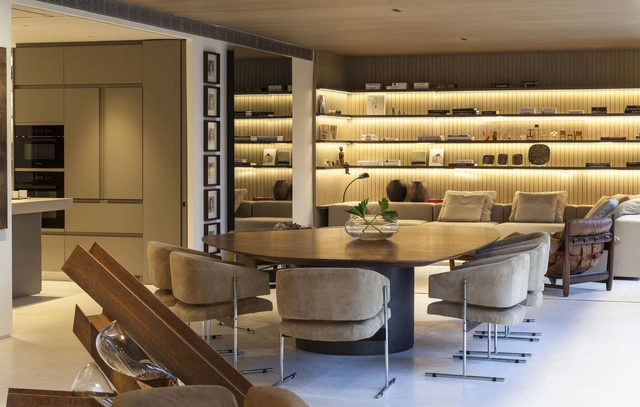
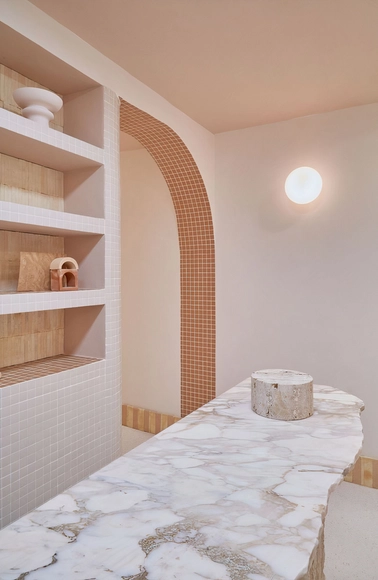
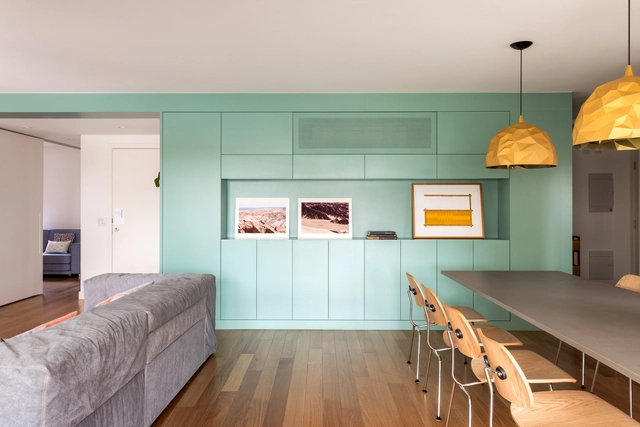
The facade of a building often serves as a reflection of both the urban fabric it is set in, as well as what lies behind it. Beyond aesthetics, facades hold important functional, cultural, and sustainable significance, especially in relation to the interior design. Although natural light, views, and spatial organization are influenced by the facade, architects have been prioritizing the relationship between the building's envelope and the quality of the interior, keeping in mind current cultural, economical, and environmental changes influencing the way people design their living space. So responding to these ever-changing needs and habits, along with the focus on overall wellbeing, architects offset the facade and ceiling - and in some particular cases, floors - to create interiors within interiors; secondary envelopes that protect the interior space from the outside environment.
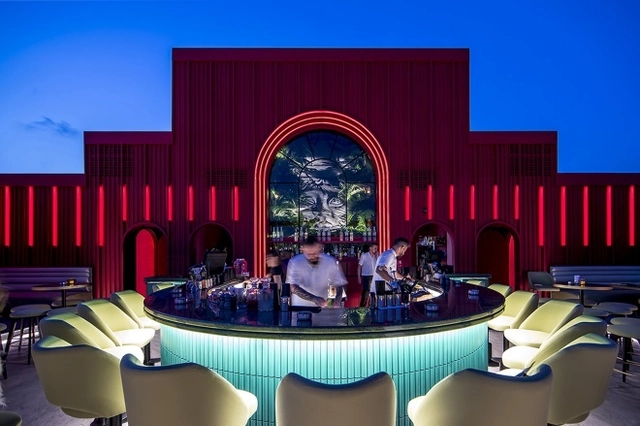
For decades, cities around the world have been promoting their nightlife scene and the designed spaces in which these activities occur. Occasionally hidden away from the hustle and bustle, offering a sort of escapism from the day-to-day-routine behind red velvet ropes and intense security measures, or sometimes proudly on display for people from all walks of life to congregate and spend the evening under the glisten of a disco ball or flashing lights, nightclubs are an example of how fashion, culture, and societal norms influence an often overlooked and underground side of architecture.
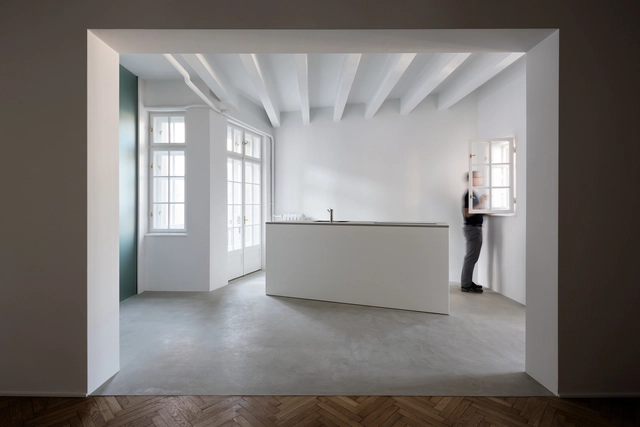
A correctly sized kitchen island is more than just a functional architectural element—it's a key component of kitchen design. Beyond its primary functions, a well-sized kitchen island can serve as a versatile space adaptable to various household needs by enhancing workflow efficiency, providing additional storage, fostering social interaction, and contributing to the overall space aesthetics.
Whether utilized as a breakfast bar for quick meals, a study area for children's homework, or a hub for entertaining guests, its flexibility enhances the functionality and livability of any kitchen environment. Determining the appropriate size for a kitchen island, however, demands a meticulous approach, blending spatial considerations, workflow requirements, and design sensibilities.
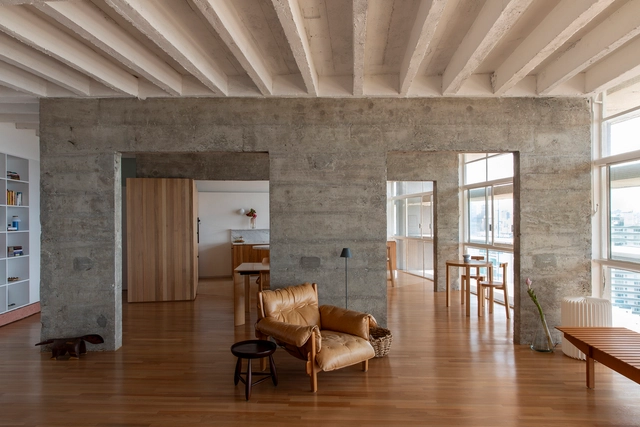
The landscape of downtown São Paulo would not be the same without the presence of Copan. The building inserts Niemeyer's curves into São Paulo's dense verticality, creating a distinctive rhythm that becomes a landmark for all who encounter it. Besides accommodating around five thousand residents, the building serves various purposes, offering different typologies for its residential programs, varying apartment sizes, and prioritizing diversity among its tenants. Differences also emerge when we examine how each person inhabits a standard floor plan; renovations proposing distinct finishes and new layouts reflect the character of each resident but also showcase the inventiveness of the architects intervening in this classic structure. Thus, we gather here projects realized within this icon to demonstrate how each home is unique, even when created in series.
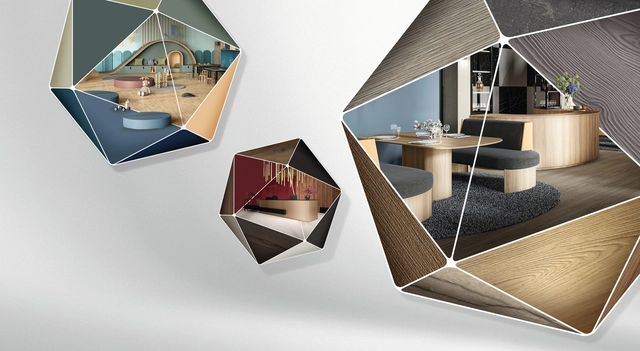
Nowadays, the cycles of change around society and architecture have generated new urban models, emerging technologies, and design trends that underline the need for constant adaptability in all areas. In this context, aspects such as flexibility, reliability, and simplicity emerge as distinctive elements, both in architecture and in the components that constitute it, including materials. This is why lines such as the EGGER Decorative Collection 24+, crafted from wood-derived materials, seek to redefine concepts through a rolling series, updated at most every two years. This dynamic enables a more agile response to new trends, influences, and product innovations that arise in the built environment.
https://www.archdaily.com/1012771/from-wood-stone-steel-and-uni-colors-a-decorative-collection-for-fast-moving-trendsEnrique Tovar
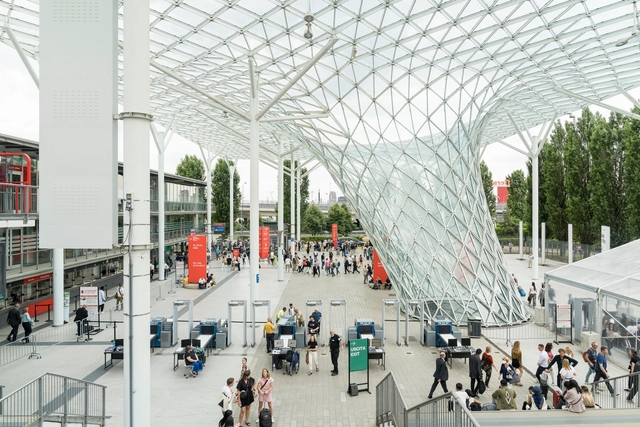
Salone del Mobile.Milano has announced the opening dates and events program, expanding the trade fair event to encompass more narratives and projects relevant to the design community. The 62nd edition will take place at Rho Fiera Ilano from April 16 to 21, 2024. It is expected to include over 1900 exhibitors from around the world, with contributions from emerging designers and several design schools under the recurring SaloneSatellite, now in its 25th-anniversary edition. The cultural program also includes immersive installations, like David Lynch’s “Thinking Rooms.”
Often associated with an industrial aesthetic, metal has become more prevalent in residential and commercial architecture. Its reflective quality has broadened the scope of texture and color combinations, giving rise to a fresh aesthetic for interior design. Consequently, architects and designers increasingly incorporate metallic surfaces to define floors, benches, and other furniture elements, thereby defining spatial layouts and infusing them with a contemporary vibe. To inspire this trend, we explore various methods for incorporating aluminum or similar materials into your space.
Give your bathroom a fresh look with a modest investment, avoiding the hassle of extensive construction. Transform the space by adding plants, reconsidering lighting, or experimenting with new colors. If opting for a color change, explore painting the walls or tiles to revitalize the environment. To assist you in this endeavor, we present the perfect paints for the job along with inspiring projects to spark your creativity
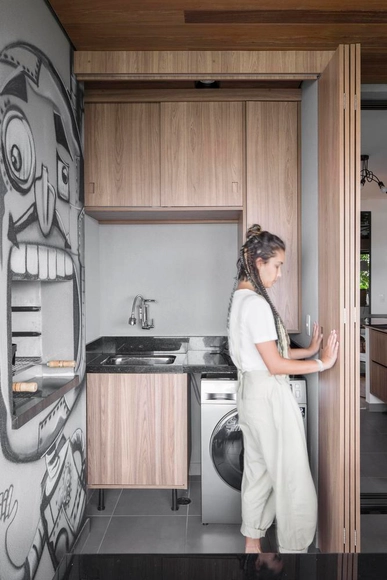
Previously we have published an article about how laundry rooms, or utility rooms, are an unnecessary luxury in a modern home. However, this space is undeniably an important part of Brazilian homes and is used not only for washing and drying clothes but also for storing cleaning products and other items. Since these spaces are usually quite small, it is not always easy to keep them organized to ensure maximum functionality. So, here are some tips for those who want to optimize this environment for a better routine in everyday life.
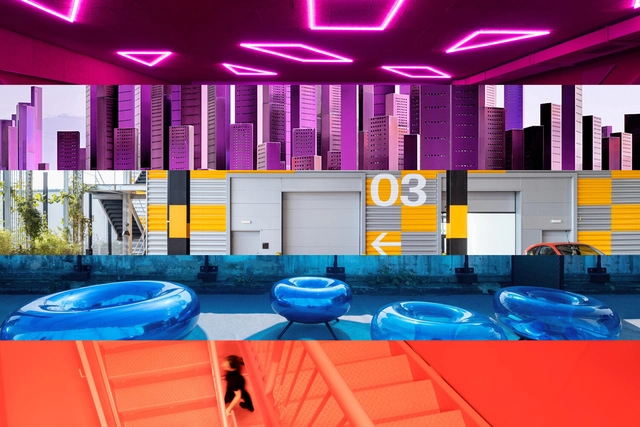
Known internationally as the world’s foremost voice on all things color, Pantone’s Color of the Year program has been predicting and even directing color trends for 25 years – reflecting the cultural environment across multiple creative sectors that use the language of color and color psychology such as branding, marketing, fashion, and product design to name a few, as well as architecture and design.
But color trends aren’t just about what’s hot and what’s not. Color plays an important role in stimulating the senses, evoking memories or feelings based on past experiences and collective influences around the world. In the color psychology of retail design, for example, specific hues have been found to alter consumers’ comfort and energy levels, ultimately dictating shoppers’ preferences and behavior. In medical environments, combining a neutral base with calming accent colors has been shown to reduce stress and anxiety.
Contemporary cityscapes vary greatly from their early precedents, hosting urban life in sprawling interior spaces like mega-hotels, shopping malls, and transportation hubs. Soaring atriums and expansive concourses are now a normal part of the urban experience, allowing for public activity 'inside' the city. Interiors and urbanism are often considered at far ends of the spatial spectrum, with architecture serving as a mediator between the two. The growing significance of 'interior urbanism' in the functioning of the built environment demands the question - how can cities be reinvented from the inside out?
Decolonizing Suburbia. Image Courtesy of Centro de Arquitectura
One of the most important challenges in architecture, when it comes to creating spaces that work for everyone, is the diversity that exists in people, their needs, and how to integrate them into a design. Disabilities are more than a condition; they are a way of living according to human diversity that requires architectural solutions of equivalent multiplicity.
According to data from the World Bank, it is estimated that 1 billion people –equivalent to 15% of the world's population– live with some type of disability. In the future, this percentage could increase considerably, given the global trend of aging populations. To face this growing challenge, architecture will have to adapt quickly, due to the role that built environments have in constituting a barrier or a path for the inclusion of people with different types of disabilities, seniors, as well as diverse groups who make up the human plurality.
https://www.archdaily.com/998667/how-can-buildings-work-for-everyone-the-future-of-inclusivity-and-accessibility-in-architectureEnrique Tovar
One of the most essential aspects of interior design is lighting – an element that can make or break an interior space of any size or material. Yet good lighting can be especially important for smaller or more crowded spaces, making them feel larger and more open even when their literal dimensions haven’t changed. In turn, larger spaces with poor lighting may feel smaller and less welcoming than they have the potential to be. To make interiors feel aptly large and well lit, designers can rely on several tried and true methods that make the most of a space, from using the right shades and types of lights to placing them in the best locations to integrating other elements that best complement existing lighting. These strategies, as well as several examples of their application, are listed below.
https://www.archdaily.com/947631/how-to-virtually-enlarge-spaces-using-good-lightingLilly Cao
One of the most popular choices in the construction market, vinyl flooring has various characteristics that have elevated it to this level. Composed mainly of polyvinyl chloride (PVC) - and with other additives, depending on its production, such as plasticizers, fiberglass, resins, and/or minerals - it is a durable, affordable, and easily installable material that can be applied in a variety of environments.
A vital aspect of a circular economy lies in shifting our view of waste. Labeling an item "waste" implies voiding its value and ending its useful role in a traditionally linear economy. While the item might be out of sight and out of mind, its life continues in the landfill. This shift in perspective regarding waste means opening our minds to the opportunity that the abundance of junk presents. These designers and architects have managed to not only effectively reclaim discarded objects but also to make them look precious, imbuing them with new meaning and value through their careful curation.
Well-planned lighting makes all the difference in an interior design project, impacting various aspects. It goes beyond mere aesthetics to play a crucial role in creating atmospheres capable of influencing and altering people's emotions and perceptions within spaces. While direct lighting can provide overall and uniform brightness, ensuring proper illumination for daily activities, indirect lighting offers a more subtle and effective approach, which creates cozy, gentle, and pleasant environments.
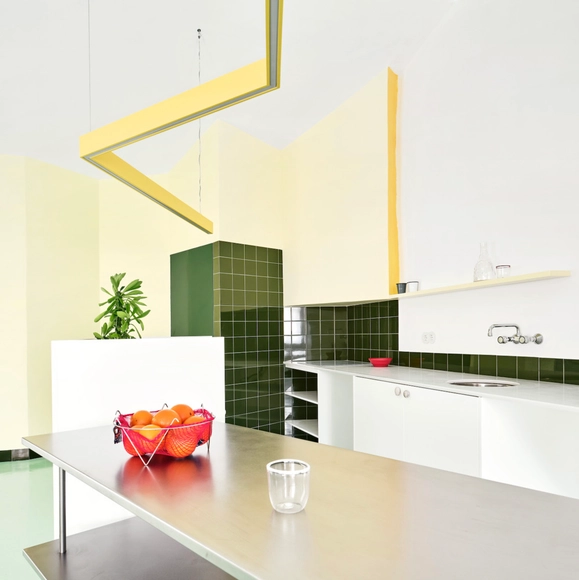
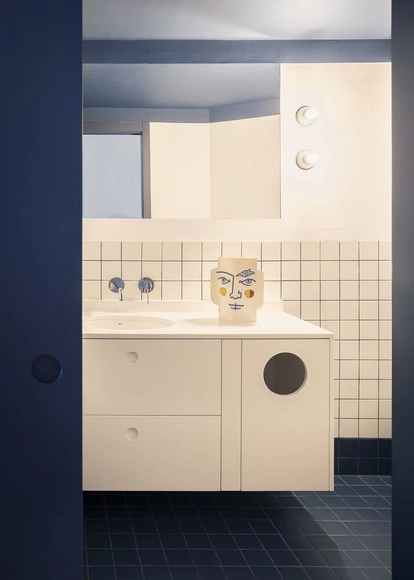
Aiming to balance the calm and uniformity of minimalism with the tactile appeal of raw, textured materials, ceramics emerge as a versatile medium to bridge the gap between sterile spaces and those that might become overwhelming. Whether incorporating large formats or small mosaics, or embracing organic or geometric aesthetics, the diverse range of ceramic options enables the infusion of character into spaces while maintaining a sense of order and cohesion. But it is not a simple task. In the pursuit of this harmonious blend, we explore specific types of ceramic cladding that have been effectively applied in architectural projects, enriching the visual language of minimalism while grading its complexity with precision.
As temperatures rise, the demand for air conditioning is on the upswing. Recognizing its near indispensability in modern life, we seek more energy-efficient options in response to the climate crisis while considering how architects and designers can integrate these units discreetly into rooms. The challenge is to keep their primary function, cooling the environment, without drawing too much attention. In this context, we've compiled some tips on concealing air conditioning units to ensure a harmonious overall composition in the space.