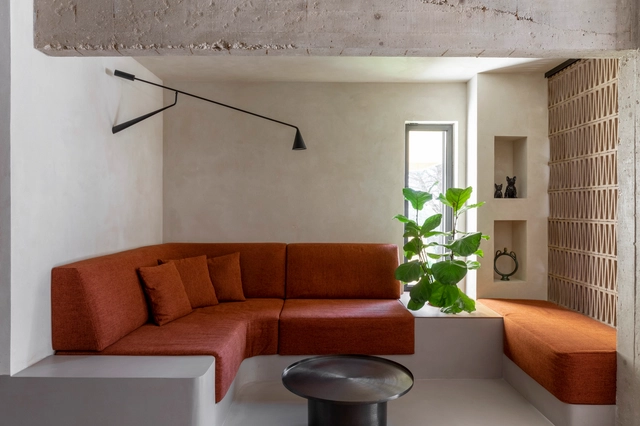
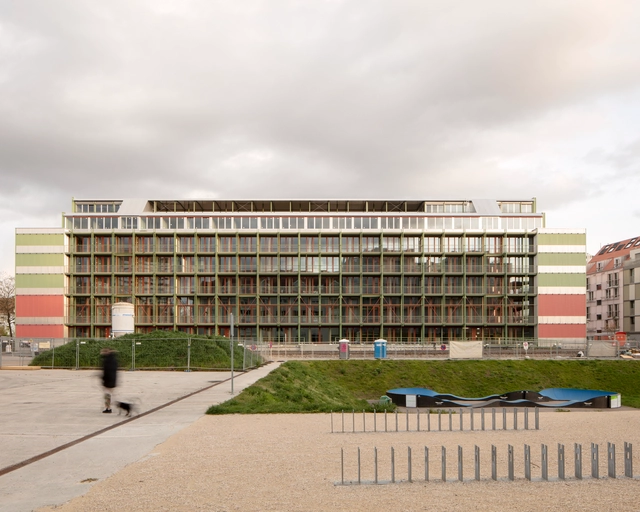
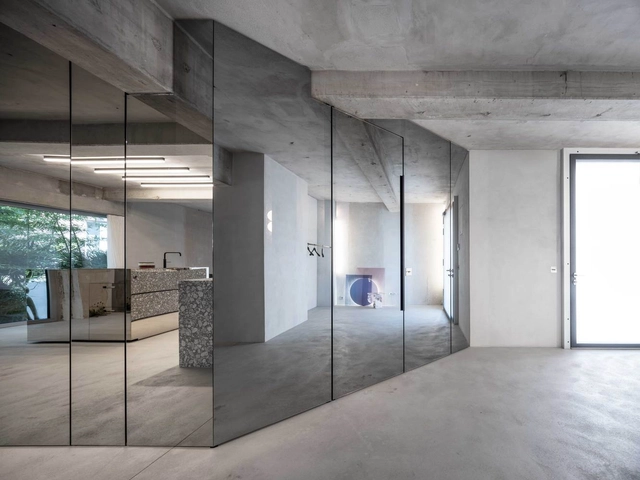
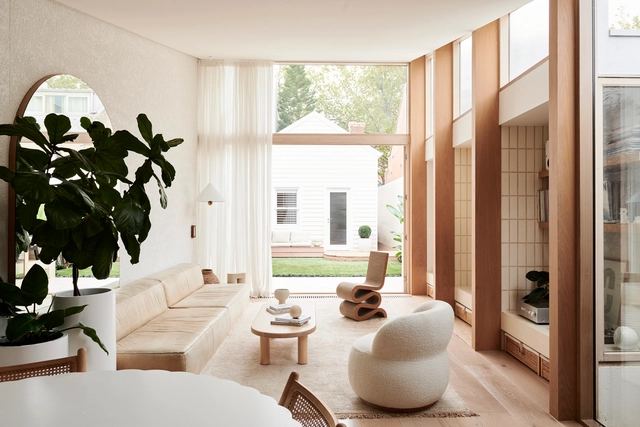
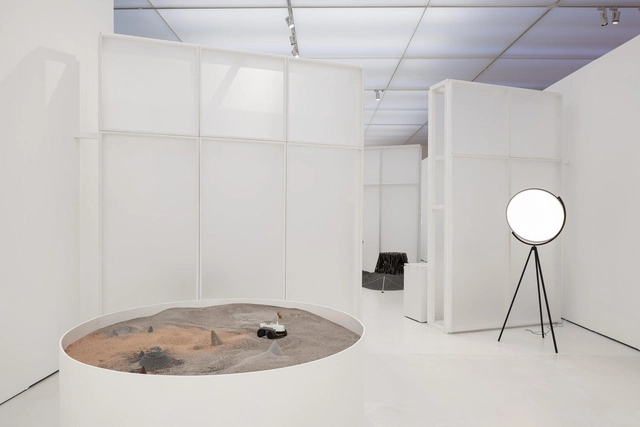
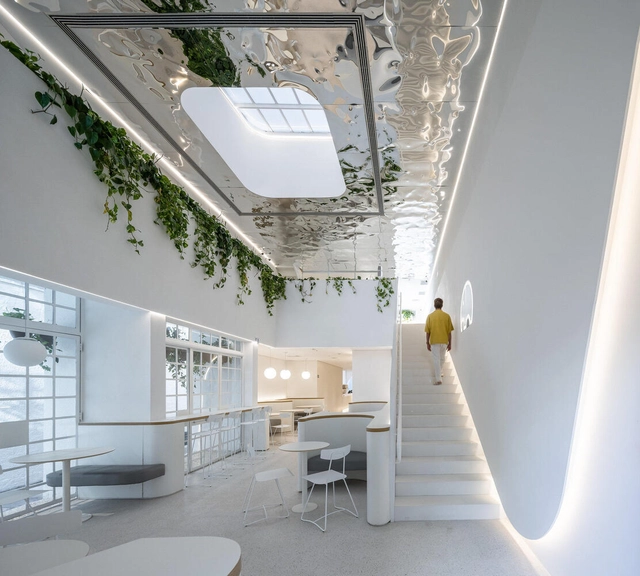
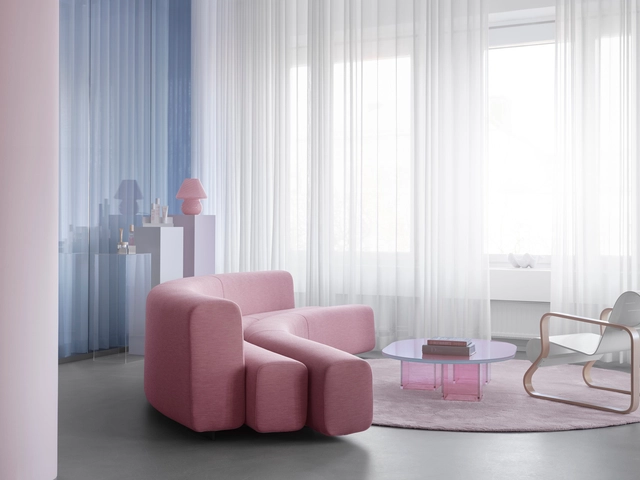
As we head towards the end of 2023, an eventful year that could be defined as the year of "shifts", we take a look at how global events and trends impacted the design of interior spaces. Looking back, people questioned everything, and the architectural practice was no exception. A new voice was given to nations often forgotten as architects searched for alternative ways of designing and building. We questioned colonialism, consumer culture, waste, tradition, and authenticity, bringing about new perspectives within the discipline. Interior design in 2023, however, was reserved; explorative, but a lot more modest and subtle compared to previous years. Following years of constant changes, it seems as though people felt the need to pause, slow down, and embrace simplicity, while expressing their individuality through acupuncture interventions.
The ArchDaily projects library is managed by our curators who constantly seek to populate our stream with the most interesting global works, showcasing evolving focuses and criteria. While we usually share our reader’s top 100 favorites, this year, we also decided to initiate our editor’s picks on the ArchDaily Instagram account, where our curators highlight some projects that include interesting themes and unique traits.
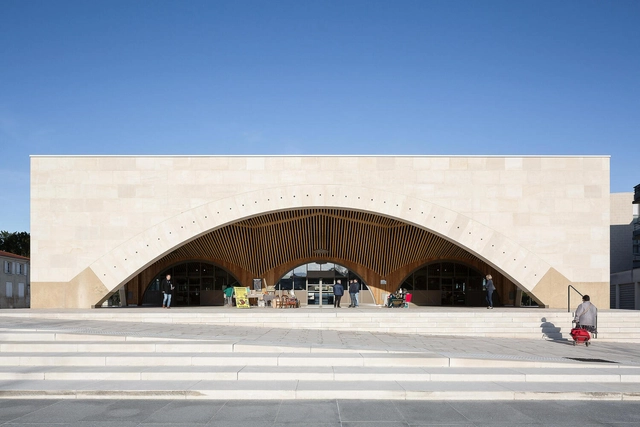
Market halls have long held a prominent position in the rich tapestry of architectural history, serving as vibrant hubs for commerce, community, and culture. Characterized by their imposing structures and bustling interiors, they have played an integral role in shaping urban landscapes and facilitating the exchange of goods and ideas throughout the centuries.
From ancient agoras and bazaars to the grand marketplaces of the Renaissance and the modern-day food halls that have undergone a renaissance of their own, market halls stand as a testament to the enduring synergy between architecture, economic activity, and the social fabric of society. These four newly completed projects from around the globe are proof that the highly specialized structures have lost none of their appeal– and exemplify how they can revitalize communities by bridging commercial and cultural functions as well as the past, present, and future.
Pantone has just just announced “Peach Fuzz” or PANTONE 13-1023,” the 2024 Color of the Year. Known for its color standards and digital solutions in the design community, Pantone announced the color aiming to move towards empathy and understanding. A hue between pink and orange, the color is soft and inviting and offers “tenderness and communicating a message of caring, community, and collaboration.”
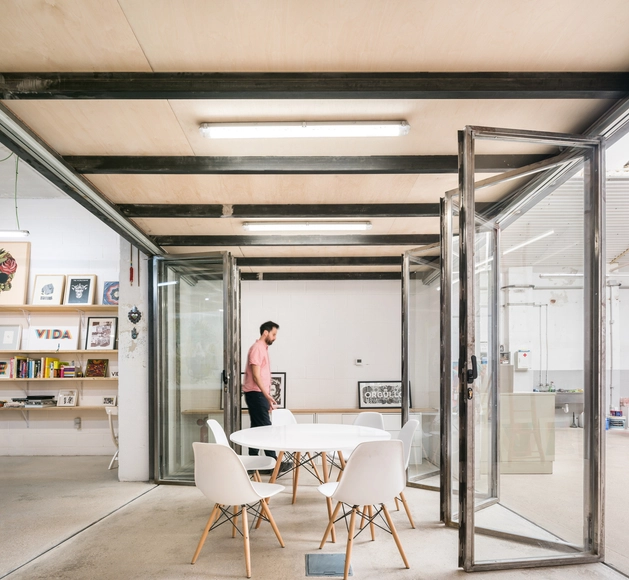
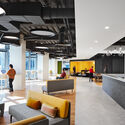
“Two brains are better than one,” goes the old saying. And with good reason. As the social beings that we are, humans thrive through interpersonal interactions and the dynamic exchange of ideas. It is these collective thoughts that tend to flourish, evolve and reach their full potential, fueled by a diversity of perspectives and experiences. That is precisely why teamwork stands as one of the most valued pillars of any working environment, and also explains why office workers spend an average of 37% of their time every week sitting in meetings. It’s no surprise then that modern office settings embrace meeting rooms as designated spaces for collaborative ideation and decision-making. But not in the way many might imagine. Gone are the days of bland conference rooms with nothing but a large table, uncomfortable chairs and white walls, giving way to new, more innovative models that respond to a shifting paradigm.
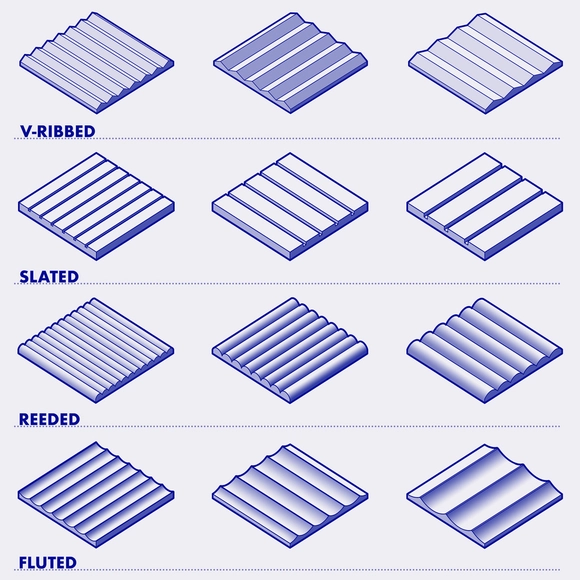
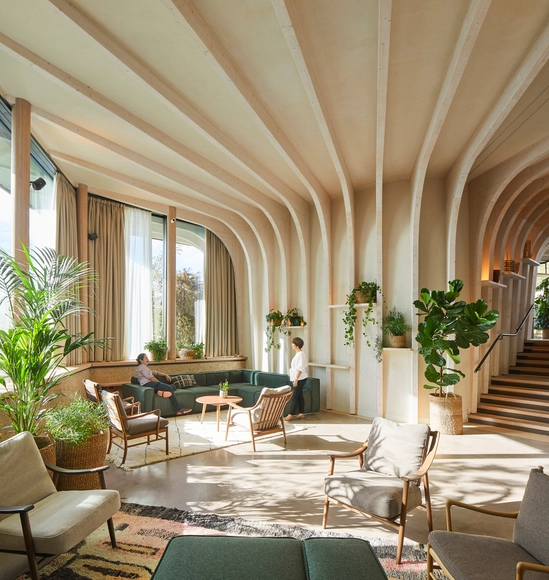
Trends always come and go in the ever-evolving, somewhat cyclical landscape of interior architecture. Whether it’s a new aesthetic, an innovative wall treatment or the latest viral color, certain design features rise to prominence all the time in this dynamic industry. Some fade as quickly as they emerge or resurface in new forms years later, while others endure and stand the test of time through continuous reinvention –often thanks to their versatile and adaptable nature. Ribbed paneling is a clear example of the latter. With its ability to add texture and visual allure to various design styles, it has been a popular cladding choice for bedrooms, kitchens and living spaces in recent decades. And now more than ever, fitting with current preferences that lean towards sleek, tactile and structured elements, it has consolidated its presence in contemporary residential interiors.
Choosing how to paint your apartment can significantly impact its atmosphere and visual appeal. While it may be tempting to stick with the comfort of white walls, considering different colors can enhance your everyday life and make your home more vibrant. To help you navigate the many possibilities, we've gathered some tips for creating a more colorful and personalized living space.
Lowering our body temperature and metabolism to preserve food and energy during a cold spell is not (yet) a skill humanity has learned. Human hibernation, however, is still a very real and natural reaction to life in seasonal climates. As the winter months begin, we start to nap more, crave fattier foods, long for the company of others, and, most of all, prepare cozy nests to snuggle into. In order to actively enjoy the cold, wet, and long-time dark periods of the year instead of just waiting for the sun to return, here are some useful ways to ensure our homes stay cozy.
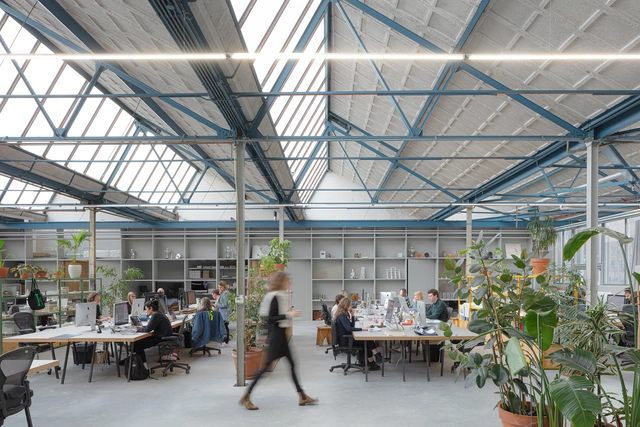
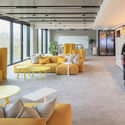
The average person spends approximately 90,000 hours, equivalent to one-third of a lifetime, at work. The workplace can be a second home to adults, and spending multiple hours has fueled a longstanding desire for change within the workplace. Over the decades, various factors, including pandemics, economic crises, and changing generational preferences, have impacted the nature of work and the places people work in. The recent phenomena of the Great Resignation and the widespread adoption of remote and hybrid work arrangements have accelerated the transformation of workplaces. In response, organizations are increasingly prioritizing the overall employee experience, recognizing the need to create environments that accommodate evolving work structures while fostering satisfaction, engagement, and well-being among their workforce.
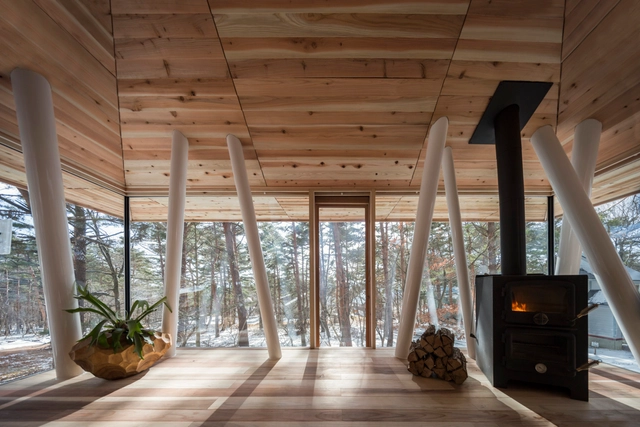
Some of the most picturesque projects are those built in the mountains; the rustic cabin wrapped with a floor-to-ceiling glass panel that overlooks the snow-covered trees. Visually, the architecture exudes an enchanting feeling, but is it truly a habitable space? When houses are built on an elevation of 3,000 meters, installing a fire element alone is not efficient or sustainable. Spaces on such altitudes or particular geographic locations require to be treated thoroughly, beginning with the architecture itself. Whether it's through hydronic in-floor heating systems or wall-mounted chimneys, this interior focus explores how even the most extreme winter conditions did not get in the way of ensuring optimum thermal comfort.
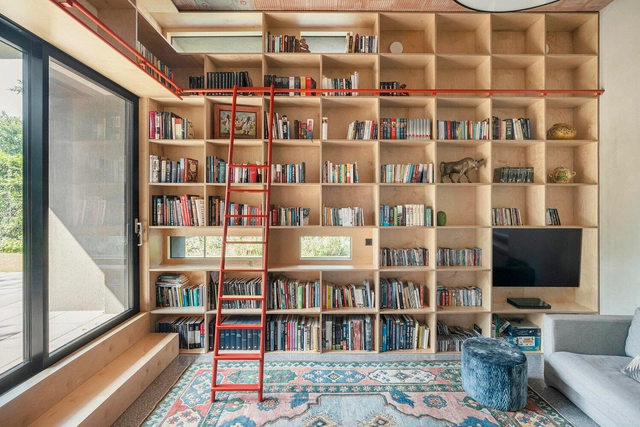
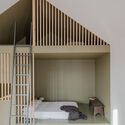
Hidden in plain sight right above our heads, there’s around 50-150cm of wasted space going unused and unnoticed. Those hard-to-reach spots atop wardrobes, kitchen cupboards, and bookcases are reserved only for seldom-used objects, left to be forgotten and gather dust. Helping rooms with high ceilings make full use of their additional height, however, interior ladders allow storage spaces to reach their full potential, while making sure they remain safe, comfortable, and easy to access by everyone.
Humans have always been fascinated by reflections. Although they are no more than light bouncing back after striking a surface, there will always be something mystical and fascinating about them –whether it be a lake mirroring a beautiful landscape or a small hand mirror reflecting our face. This explains why some ancient cultures considered mirrors to be sacred objects with magical powers, while others associated them with portals leading to an unknown world. Since then, mirrors have evolved to adopt many valuable functions that are indispensable in everyday life, being found in cars, medical equipment and, of course, in countless architectural applications, especially in interiors. Experimenting with the reflection and perception of space has become an easy way for architects, designers and homeowners to transform any room. And when looking to maximize this impact, the power of exceptionally large mirrors is unparalleled. After all, the bigger the mirror, the bigger the impact.
Today, architecture has become - or is in the process of becoming - more flexible and individualistic to accommodate people's diverse lifestyles and spatial needs. With this adaptation, the residential typology has changed and living rooms have become endangered. Many insist on the need of having a space dedicated to relaxation and leisure, while others claim it is simply a waste of space and money. This debate raised an important question: do we still need living/sitting rooms? In this interior focus, we will look at how living rooms evolved through the years, and how architects readapted and integrated the concept of “gathering space” in contemporary residential architecture.
Ever since humans first looked up towards the heavens, we’ve wondered what is up there. From 1923 when Edwin Hubble first discovered galaxies beyond our own, our hunger and obsession for knowledge of the cosmos has grown almost as quickly as the universe itself.
As our technology advanced throughout the 20th century, we realized that ‘space’ is, in fact, filled with a huge array of ever more colorful galaxies, gasses, and stars. And the world’s leading product designers were taking note.
At 23.5 degrees north and 23.5 degrees south of the equator respectively, sit the Tropics of Cancer and Capricorn. The 3,000-mile-wide band between them that wraps around the Earth is affectionately known as the ‘bean belt’. The tropical and sub-tropical climatic conditions inside the belt, as well as the high percentage of land over 1,000 meters above sea level, create the perfect conditions for the coffee plant to thrive.
In these regions across Central and South America, Africa, and Asia, coffee is one of the main national exports, becoming a large part of many national identities. So the interiors of the countries’ home-grown coffee shops can be just as rich and well-balanced as the coffee beans they grow. For people living in the bean belt, coffee is more than just a drink, it’s literally a life source. And at these coffee shops, it’s treated as such.
The year 2024 brings forth an intriguing array of Color of the Year selections from renowned paint manufacturers, each offering a unique perspective on the hues that will influence our living spaces. Striving to capture the moods and aspirations of the coming year, color experts have veered towards soft and calming shades, hoping to bring a sense of serenity to counter the hectic and tumulus passing year. Countering the bold color chosen by Pantone in 2023 as their previous Color of the Year, Benjamin Moore embraces a softly saturated and nuanced shade, AkzoNobel emphasizes calmness and stability, Sherwin Williams aims to inspire mindfulness, Graham & Brown fosters warmth and tranquility, and C2 Paint focuses on freshness and sustainability.
The world's recent shift towards prioritizing wellness has influenced people to seek healthier lifestyles by understanding the body and the mind collectively. External factors such as the geographic location, the environment, the community, financial status, and the relationships with friends and family have all shown to have considerable impacts on an individual's health. However, it became evident that ensuring physical and mental health was not limited to having access to medical facilities and professional treatments, but was also determined by several factors related to the quality of the built environment.
Architects have a choice to design better and consequently, help people make better choices. So what is considered a good interior design, and what are the factors that make any interior space a good one? In this interior focus, we will explore this "good" side of design, looking at how architects ensured the needs of users by acknowledging accessibility, demographic diversity, economy, and the environment, regardless of aesthetic.
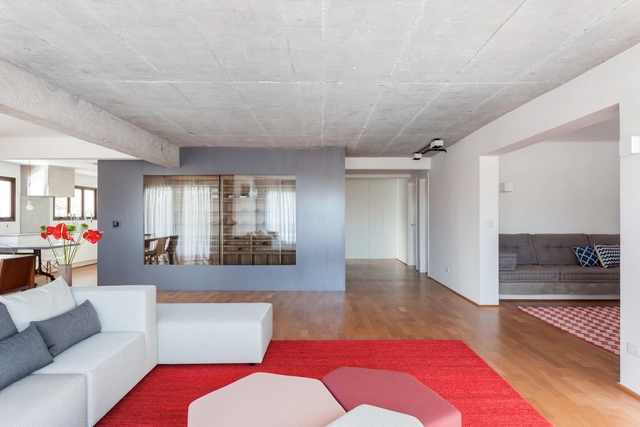
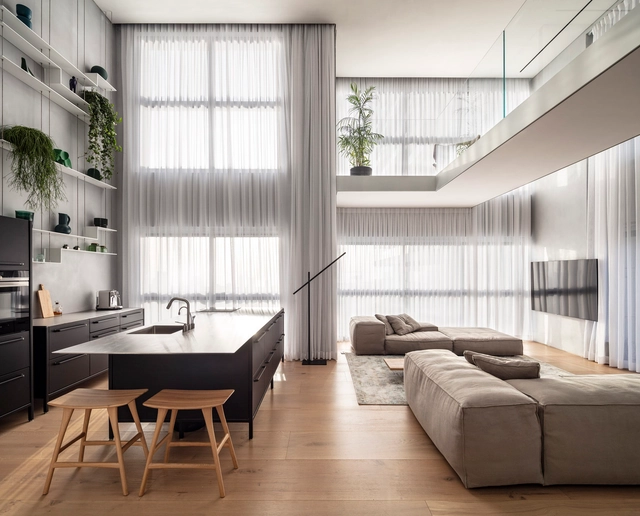
The layout of interior spaces has been in constant evolution since the very first residential project. For many years, functionality dictated how they're are organized, but soon after, cultural, social, and economical changes influenced the way people design their living space, bringing about the spacious and versatile open floor plan. A lot has been written - and critiqued - about the open floor plan: who introduced it, how it was developed, its benefits, and/or lack thereof. During the past couple of decades, open floor plans were perhaps among the most requested interior design concepts, but today, architects are leaning towards the opposite.