The design of cabinets and shelves is fundamental for the composition of the interior of a house. Their functions can be the most diverse - home libraries, storage, artwork and decorative elements display -, but with a little architectural ingenuity it is possible to make them protagonists, adding not only an aesthetic value to the room, but making the environment more versatile. Therefore, we have separated some tips and references to inspire your next project.
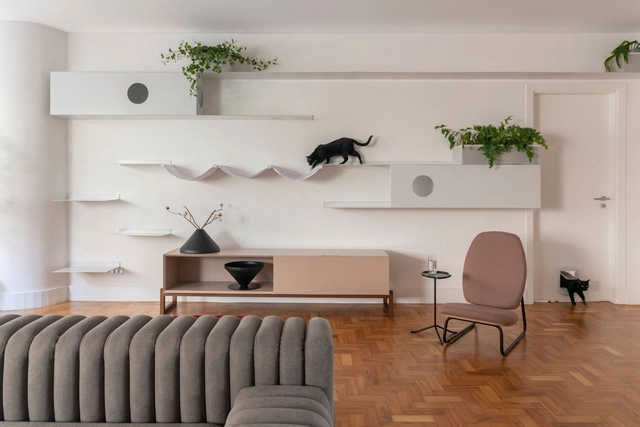
In architecture, the most common is to design for humans only. However, covering the scope of the project for other species is an exercise that has been proposed in several orders. From specific furniture to interior design planned for the animal, the possibilities of creating a more playful and comfortable ambience, both for humans and animals, are diverse.
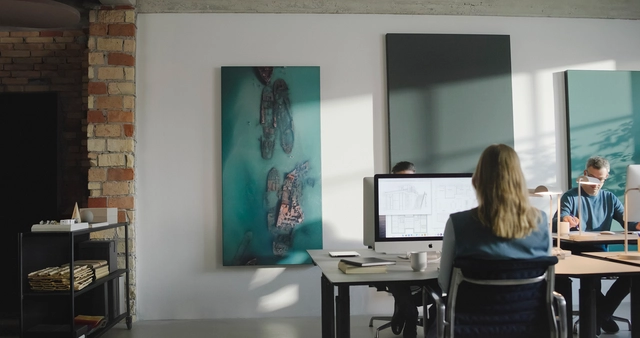
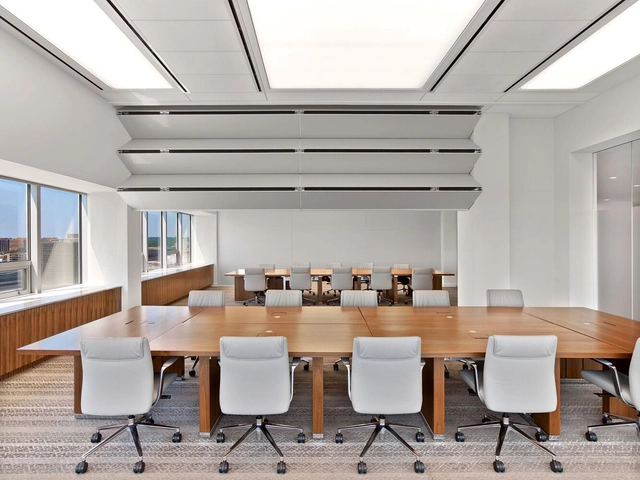
The noisier the environment, the harder it is to concentrate on the sounds we really want –and need– to hear. We spend about 90% of our time indoors, either at home or at work, often with little concern for acoustic qualities, making our body remain in a constant warning state. In offices this is an even more critical issue. While traditional open plan working spaces encourage teamwork and effective communication, many professionals face the challenge of being able to concentrate with the frequent noises, whether from a nearby conversation, the construction site next door, or a noisy espresso machine. Among the problems that noise pollution can cause in the human body are stress, accelerated heartbeat, increased blood pressure, insomnia, and a constant state of vigilance. Studies also show that poor acoustics negatively affect productivity.
This can be further amplified by the environment itself, often composed of "hard" surfaces (masonry, concrete, glass) that reverberate sound several times over, making it necessary for people to raise their voices to be understood. Furthermore, acoustic devices are generally perceived as accessories that are not very aesthetically pleasing, often with clumsy designs and with little or no flexibility.
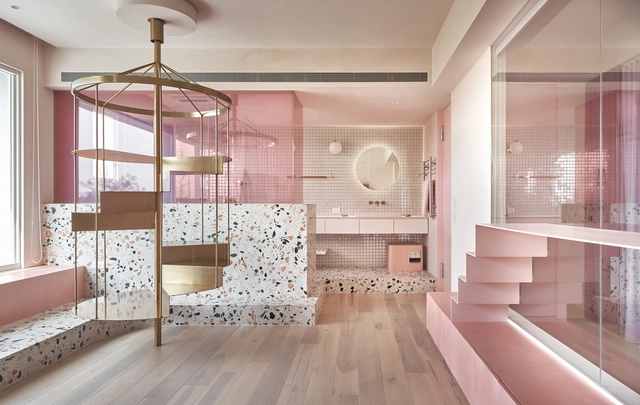
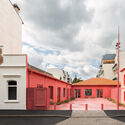
In many countries around the world, October is dedicated to raising awareness for breast cancer. Pink ribbons that represent this cause, are a tribute to Susan G. Komen, responsible for the Cure's 1990 campaign in the USA. To celebrate this month and add spread awareness efforts, ArchDaily selected some projects that incorporate the color pink into façades, interiors, and details.
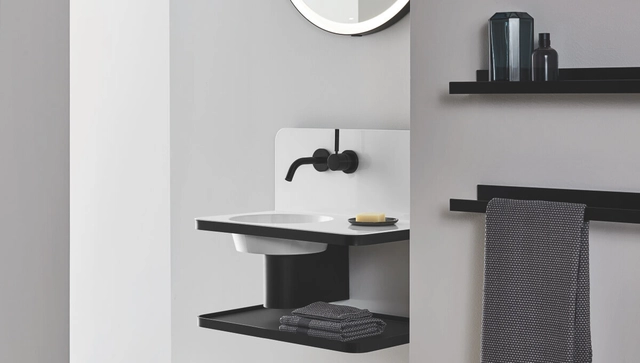
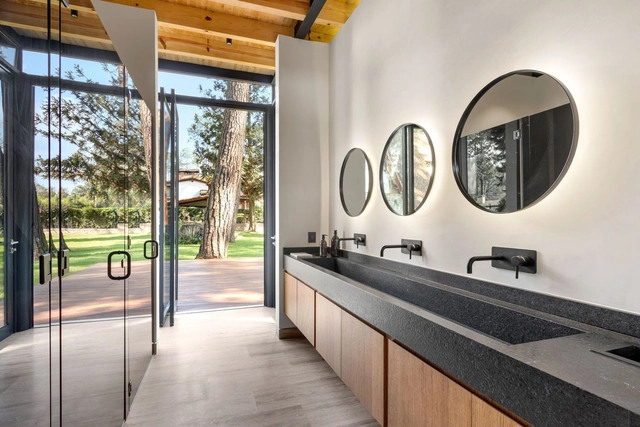
Much more than a merely utilitarian and functional space, the bathroom can be a relaxing place of privacy, solitude and self-care. It can be approached as an oasis of tranquility within one's home, a space to create bold combinations and highlight originality, or even as a room to surprise visitors and escape the usual designs, with different textures, colors and accessories. To achieve the desired effect of each project, specifying the most appropriate parts for each bathroom accessory is essential, which includes toilets, storage devices, walls and fittings such as taps and showers.
Over the years, interior design has evolved according to the needs that arise, but above all, according to the experiences it seeks to evoke in the user. In the last two years, we have witnessed a radical change and a particular interest in this subject because the pandemic forced us to pay specific attention to the configuration of the places we inhabit. This brought about much more holistic designs that seek to address the user's wellbeing, combining colors, sensory experiences, technology, and natural elements that promote health.
Dimensions, textures and colors are not the only factors to consider when designing a space. Choosing the right lighting also rises as a key strategy to create a project’s atmosphere. Appropriate lighting adds new aspects to space. Within the same project, different ways of applying light develops diverse situations, playing with light and shade, warmness and coldness, as well as depth and height.
Through the boundless lighting products available in Architonic’s ‘Interior lighting’ and ‘Outdoor lighting’ sections, architects are able to play with a new angle to design their future projects. The following discussion brings up four ways - path guides, outside lighting, art objects and a combination with furniture - in which architecture applies lighting as a design strategy.
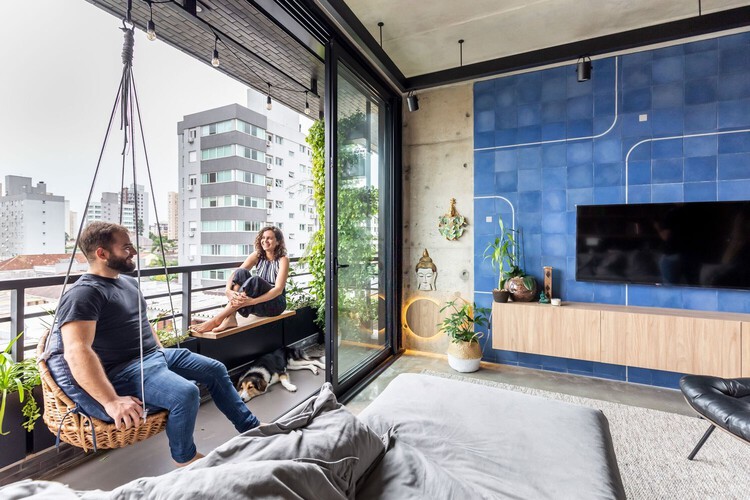
Outdoor spaces and balconies have gained much more importance after the social isolation period the world went through. In contact with the outside, these areas bring light and ventilation to the apartment primarily; and when improved or used in a different way, they can bring more comfort to the living environment.
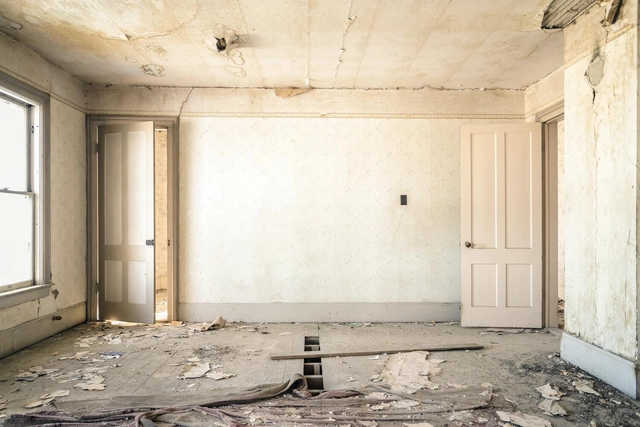
With the scarcity of open spaces, the high concentration of empty buildings in areas already consolidated in cities, and an awareness of the impact of new constructions on the environment, refurbishments are increasingly part of both the architect's work routine and the client's choice. At the same time, they are often synonymous with unexpected surprises and problems, causing delays and discomfort. This text presents four pre-work strategies that can help you better prepare for this moment.
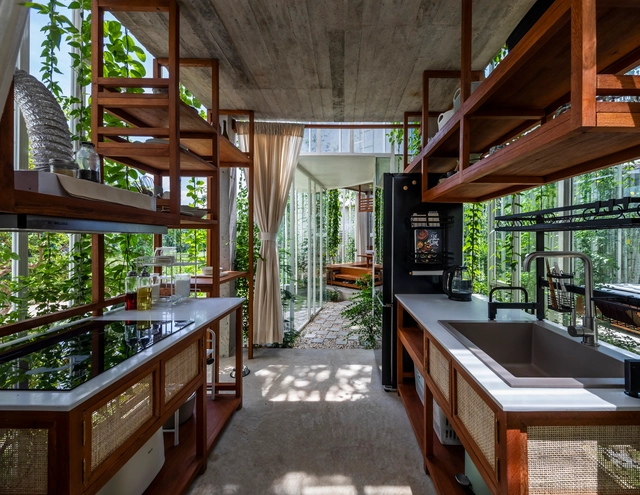
The kitchen emerges as an environment that permeates several issues within domesticity. Ranging from a workspace to a welcome meeting table, this area has evolved a lot over time: more functional designs and different materials and textures that have improved the gastronomic experience. and, more than that, it stopped being an indoor environment to open itself to the outside, exploring through permeability a better quality of light and bringing greater pleasure to those who occupy it.
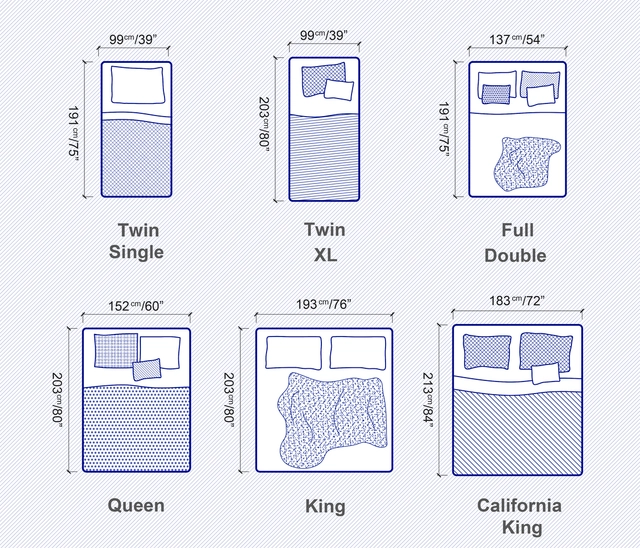
From an early age, we often hear phrases like “you must sleep a minimum of 8 hours a day.” It’s common knowledge that this brings invaluable health benefits, from reducing stress levels and keeping the immune system strong, to improving concentration, memory and decision-making skills. To guarantee a good night’s rest, having a comfortable bed that suits users’ needs is pivotal, especially considering that humans spend one-third of their entire life sleeping. Thus, when architects, designers and homeowners are faced with different bed options available in the market, the decision must be carefully thought-out and take a number of factors into account, whether related to aesthetics or functionality. But before any stylistic or material decision is made, it is crucial to start with the basics: defining the size of the mattress.
Next to a wall or in the corner of a room, most sofas seem relegated to lean against the only available wall in a space, preferably with a TV in front. As they are usually very large pieces of furniture, they can be complicated pieces to integrate into a room. In consequence, a sofa might end up "stiffening" a space, restricting movement and compromising flexibility – an increasingly important aspect for interiors – in a room. This is why the sofa can be considered an anchor piece in interior design; an element whose placement will probably not change throughout time, and that will certainly have an impact on the other elements within a space.
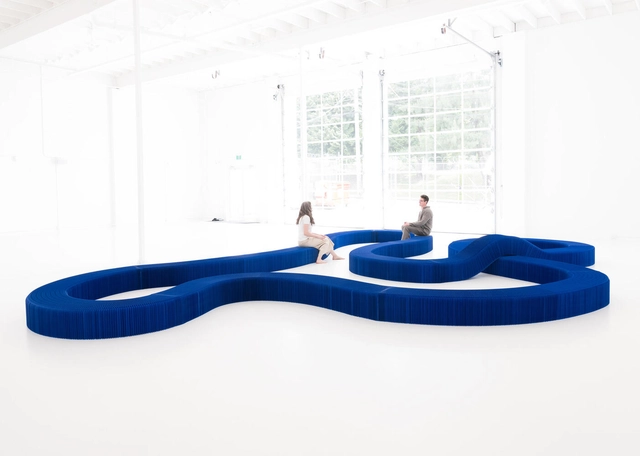
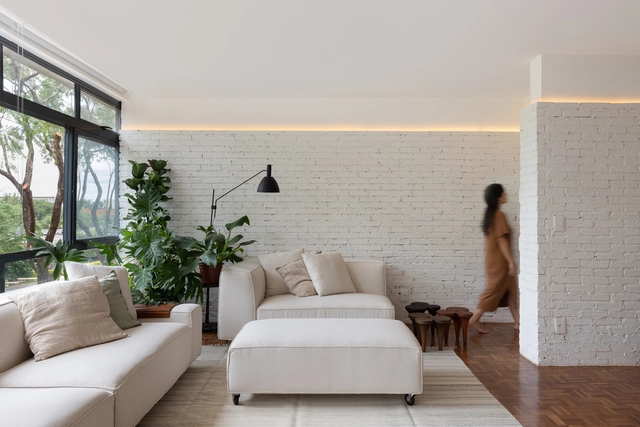
Modular sofas, however, give flexibility and versatility to an otherwise rigid piece. Made of separate parts, they can adopt several shapes and sizes, creating different ambiances and completely changing the layout and distribution of an environment. In this article, we showcase some modular sofa options – and how they can add dynamism to interior spaces – with product examples from the Architonic catalog.
As a response to this rapidly changing world, flexibility has become a top priority in contemporary interior design. That explains, for example, the growing demand for spacious and multifunctional spaces over rigid, enclosed floor plans –as is the case of the open kitchen trend. This shift in spatial needs suggests that designing for the present and the future is about creating spaces that can easily adapt to many uses: one day, a room may be destined for a big event; another day, it may be needed for smaller, more private environments. Therefore, materials, products and other interior design elements must respond accordingly, integrating technology and innovation to create flexible, yet functional spaces.
Usually, refurbishments are to completely change a space or, in a more surgical way, to bring about improvements in mobility and privacy issues. No matter the number of walls to be demolished, coatings to be replaced and joinery to be designed, the result is always looking for a more functional and beautiful space. In the case of apartments that usually have standard floor plans, intervening in them is also a way of bringing a unique and more personal character to each home.
https://www.archdaily.com/987607/before-and-after-10-refurbishments-in-brazilian-apartmentsArchDaily Team
Bringing fire indoors is something many people want during winter. In addition to warming the environment, fire creates a unique sensation that goes back to the beginnings of human habitation, leading us to a certain emotional comfort. Before, a chimney and a stock of firewood were needed to guarantee this, nowadays there are ecological fireplaces, which can be built-in or portable: a great choice for those who live in apartments or do not like the smoke generated by the fire.
https://www.archdaily.com/987019/what-are-ecological-fireplaces-and-how-do-they-workArchDaily Team
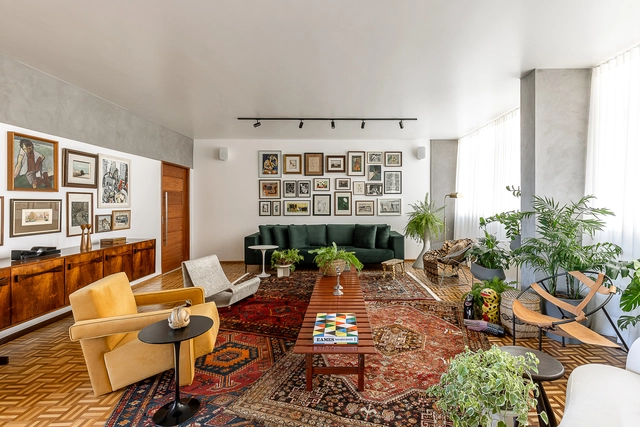
Rugs are not items that usually go unnoticed in residential environments. In addition to warming the environment and making them more cozy, when used correctly, rugs connect the furniture and give unity to the decor. Here are some tips on how to properly size and choose this item in your home.
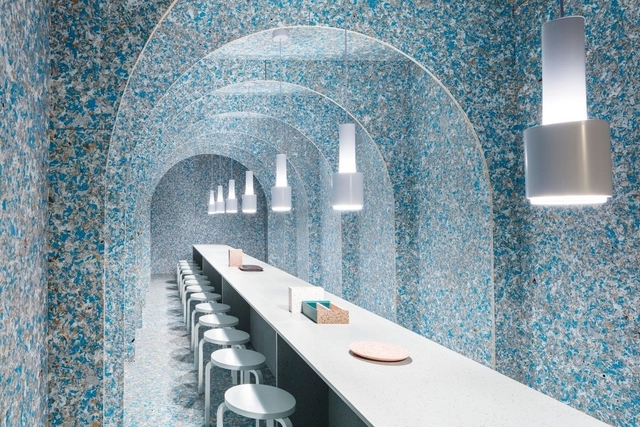
Recycling and reusing in civil engineering is extremely important, especially when considering the amounts of waste production and energy consumption involved in the processes related to the construction site. Creating construction elements by re-designing the role of old objects or materials represents an objective approach to upcycling, as a path towards a more sustainable and responsible future.
Architecture and cuisine build different relationships, depending on the local culture. When this combination results in stores, it usually enhances the experience of restaurants, cafes, bakeries, and bars.