The ceiling is an important element in architecture and interior design, combining functionality with aesthetics through different materials that add layers of texture and color, providing quality and comfort in interior spaces as well as a protective surface for other building systems.
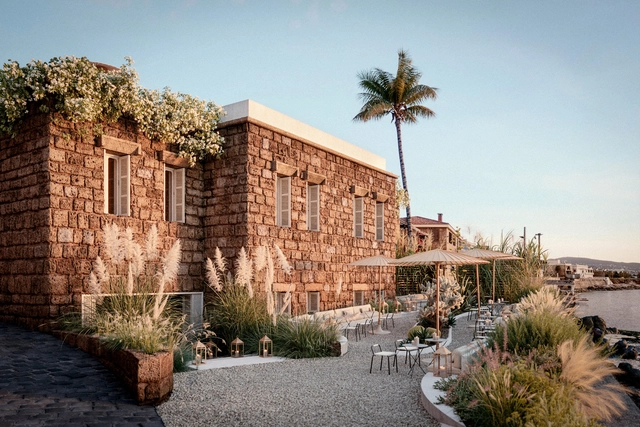
Batroun Boutique Hotel . Image Courtesy of Carl Gerges Architects
Last year, Archdaily inaugurated its first edition of Young Practices, an initiative meant to highlight emerging offices that pursue architectural innovation. Carl Gerges Architects is a Lebanese practice whose body of work is a careful consideration of culture, context, and heritage. Villa Nadia and Batroun Boutique Hotel are two of the studio’s unbuilt projects that showcase the assemblage of architectural tradition and contemporary design, informed by a poetic sensibility and a deep understating of the local social, environmental and historical landscape.
Products with natural germ-repelling properties—like certain woods and copper—and those with textures that help avoid bacterial growth will be common materiality considerations for commercial interiors specification following the COVID-19 pandemic.. Image Courtesy of Marin Architects
In this week's reprint from Metropolis, Amanda Schneider, president of ThinkLab, the research division of SANDOW, explores how "designers can help create healthy, safe interiors with thoughtful surface and filtration selections". Asking how we can have sanitized surfaces, without having to deep clean them regularly, the author discusses the materiality of healthy safe interiors.
Videos
Ceilings Solution. Aldgate Tower by Basha-Franklin Design Studio. Photo: Philip Durrant. Image Courtesy of Kriskadecor
Turning an interior space from a standard room into an artistic product is no easy feat. Careful consideration must be paid to the textures, colors, and all other elements of design when striving to create a balance of visual intrigue and pleasurability.
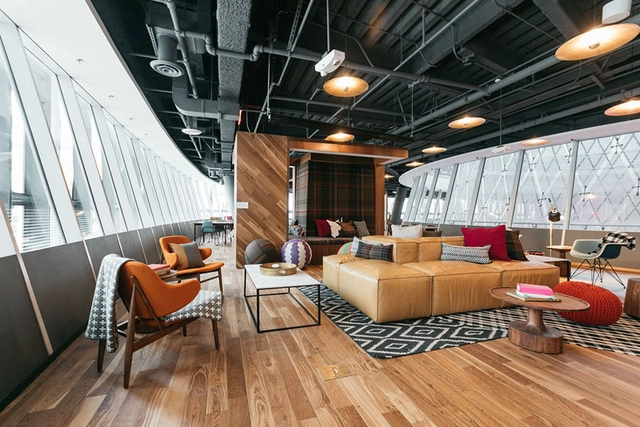
If your profession involves going into the office every day, then you’re probably familiar with this age-old question- is the office too hot, or is it too cold? While some colleagues may claim that the workplace feels like a sauna, you might see others who survive the daily grind hidden away under a blanket with a personal space heater keeping them company. The never-ending debate about the perfect temperature might only scratch the surface of many questions that designers and engineers have aimed to solve about the workplace, and they’re probably the aspects that you don’t consider on a daily basis. What about lighting- has a meeting room ever felt too bright, or too dimly lit that you felt uncomfortable?
The height of the ceiling of a space heavily influences our perception of it. Generally, local building codes regulate the minimum dimensions for ceiling height, which are calculated to ensure adequate quality of life in the environment. But the exact height of the ceilings is often defined by the dimensions of other materials that make up the building, the height of the constitutive slabs, or even by rounding the dimensions of the stair steps. It is common, with the densification of cities aimed at increasing profitability, for entrepreneurs to design with minimum ceiling heights in houses and offices, reducing construction costs. On the other hand, in older structures, more generous ceilings can be observed, which generally enable a greater degree of design freedom. But how can architects make the most of these spaces?
How many changes have you done to your interior space during this past year? Whether it was a change of furniture layout, repainting the walls, adding more light fixtures or perhaps even removing them, after spending so much time in one place, the space you were once used to didn’t make sense anymore. We could blame the overall situation for how we’ve been feeling lately, but as a matter of fact, the interior environment plays a huge role in how we feel or behave as well. However, if you were wondering why some neighbors seem much more undisturbed and serene even in the midst of a pandemic, it could be because the interior is greener on the other side.
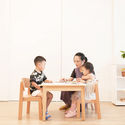
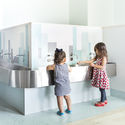
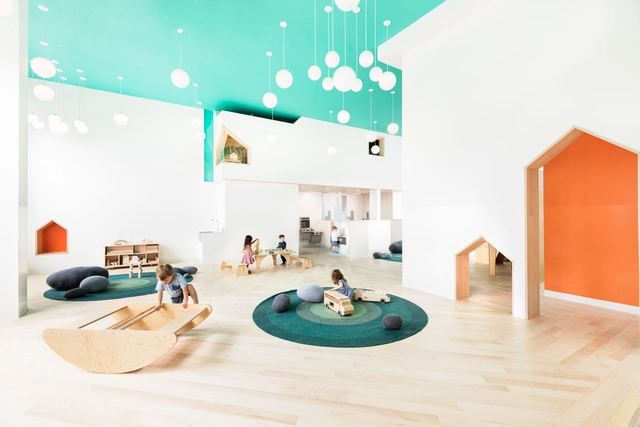
Children's furniture is all furniture –fixed or mobile– that is designed according to the ergonomic guidelines and anatomical dimensions of children specifically. Following this definition, we can identify two types of furniture: (1) those that facilitate a relationship between the caregiver and the child, and (2) those that allow the child to use them independently.
The big difference between these two types is that the first has dimensions that mainly adapt to the ergonomics of the adult, while the second is designed to meet the ergonomic needs of the child at each stage of their development. Since the growth of children occurs relatively quickly, it is common for the furniture of this second group to be multifunctional or even extendable.
When designing in times of quick and constant transformations, one must keep a close eye on the surge of new demands, and one must design spaces that embrace such mutability.
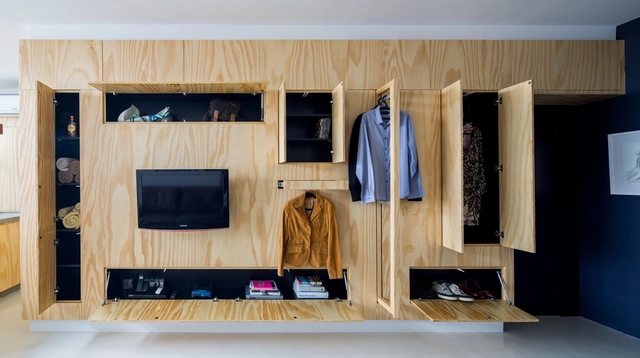
Flexible furniture is a reflection of this contemporary behavior because they can be moved around easily, they have great adaptability, and because they can perform different functions in a single piece. These pieces enable several different layouts, being able to adjust their shape according to specific requirements and changes, which helps optimizing interiors.
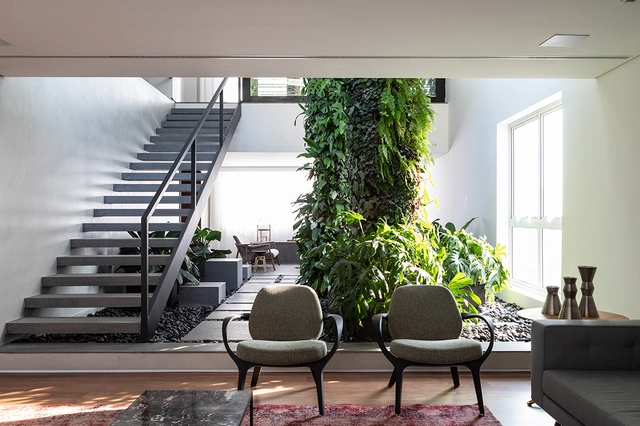
During times of isolation, many people have been talking about the importance of greenery in indoor spaces as a way to nourish our vital relationship with nature. These touches of green can contribute to the well-being and emotional comfort of users, whether in homes or commercial spaces.
Besides this psychological connection, a well-designed indoor garden can also help to purify the air and provide thermal comfort to the environment.
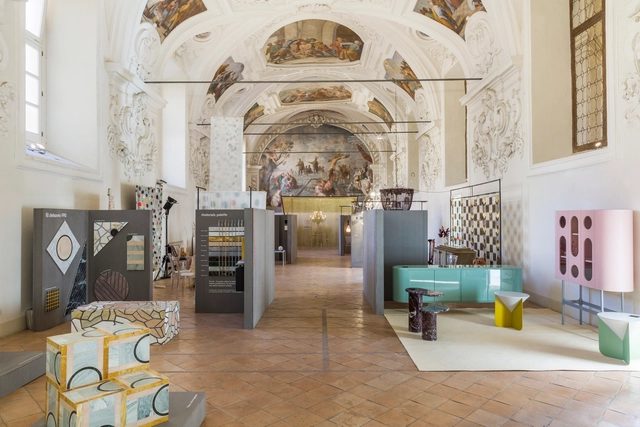
The second edition of EDIT Napoli, dedicated to independent designers, ran from 16 to 18 October 2020, in Naples, Italy. The first onsite fair of the country during this pandemic era was created by curators Domitilla Dardi, design curator of the MAXXI museum in Rome, Architecture sector, and Emilia Petruccelli, buyer and entrepreneur, in collaboration with the Assessorato alla Cultura e al Turismo del Comune di Napoli.
Emmi Pikler was a Hungarian pediatrician who introduced, in the years after World War II, a new philosophy on early childhood care and learning for children up to the age of 3. It was after the birth of her first child that she began to question: what happens when a child is allowed to develop freely? The observed results culminated in the introduction of a new methodology.
The Pikler approach facilitates the free development of children by caring for their physical health and providing affection but largely respecting their individuality and autonomy. Following this logic, intervention by adults becomes mostly unnecessary. Rather, for the child to experience space while moving freely, certain care must be taken in the preparation of the environments themselves.
In early 2020, along with the implementation of worldwide social isolation measures, we published several articles in order to help our readers increase productivity and comfort in their home offices. After months of continued isolation, surveys show that more than 80% of professionals want to continue working from home even after quarantine ends. In addition, a good number of companies are similarly satisfied with current work practices, showing a high tendency to adopt this practice indefinitely, since the majority of companies observed that remote work was as or more productive than face-to-face work.
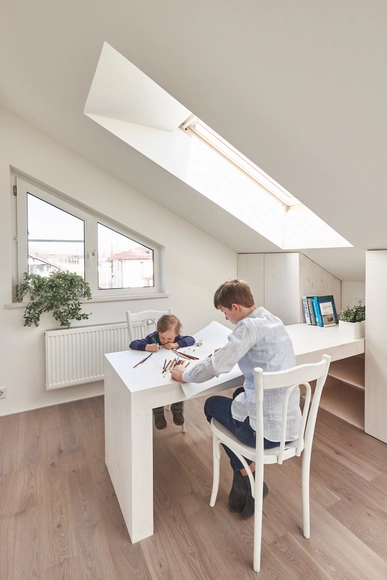
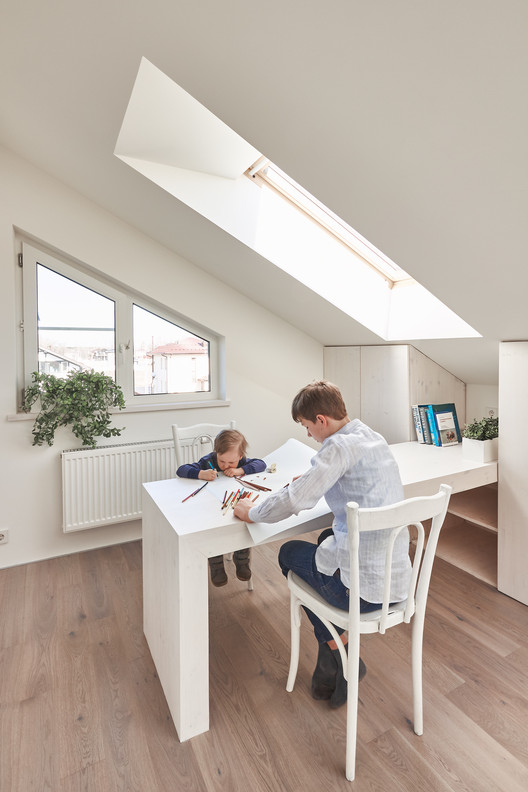
However, with respect to children and home studying during the pandemic, the result was not as positive. One of the main reasons for this difference is that it can be difficult to get students to concentrate and motivate themselves for a long time in front of screens. Lack of physical interaction with other children is also a contributing factor. Yet until the global situation improves, it is likely that the return to schools will continue to be postponed. With this situation in mind, we decided to share in this article a series of efficient strategies to transform study spaces at home into better spaces for learning.
At the 2014 Venice Biennale, celebrated architect and curator Rem Koolhaas chose an unusual curatorial theme. Rather than exploring the major issues that plague modern society or their manifestations in the profession of architecture, the event's theme, "Fundamentals," and its main exhibition, "Elements of Architecture," examined in detail the bare fundamentals of buildings, simple elements used by everyday architects for everyday designs. According to Koolhaas, “Architecture is a profession trained to put things together, not to dismantle them. Only by looking at the elements of architecture under a microscope can we recognize cultural preferences, technological advances, changes triggered by the intensification of global exchange, climatic adaptations, local norms and, somewhere in the mix, the architect's ideas that constitute the practice of architecture today.”
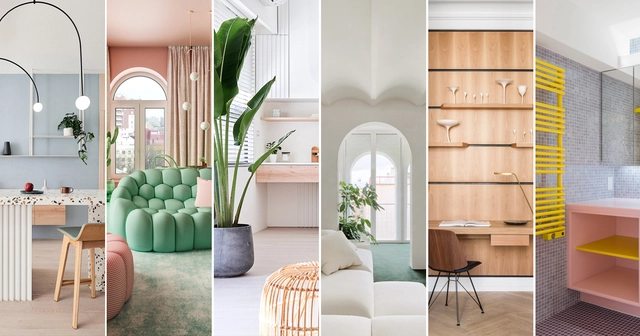
ArchDaily’s featured monthly topic for March was dedicated to Interiors and the articles related to this topic accumulated over 1 million pageviews, surpassing by 240% the number of pageviews achieved in other months in the same semester.
https://www.archdaily.com/945290/interior-design-trends-that-will-shape-the-next-decadePola Mora
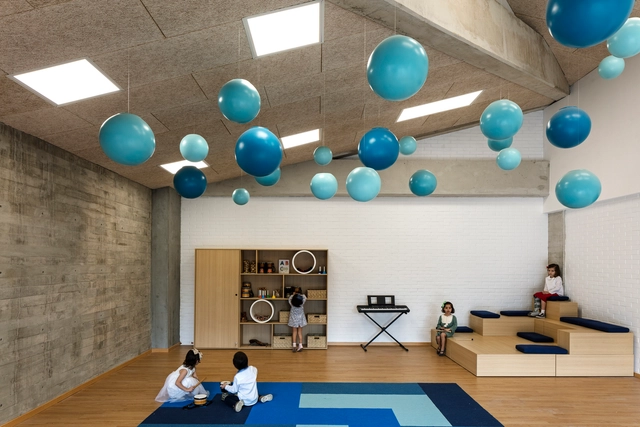
The Reggio Emilia Approach was created in the post-WWII period at the initiative of widowed mothers and under the coordination of journalist and educator Loris Malaguzzi. In a time of postwar urban reconstruction, the group's primary concern was the formation of new schools, where they wanted to create a peaceful, welcoming, and cheerful environment, with a domestic atmosphere where children could stay while their mothers worked. Understanding the children's interests and providing a suitable environment for exploration and experimentation is one of the focal points of this pedagogy. The creation of a safe and stimulating environment is so fundamental that, in much literature, it appears as a third teacher.











.jpg?1602872084&format=webp&width=640&height=580)
.jpg?1602872196 "Photo: 1931, Kaunas, Lithuania. Two children working on reading/writing words at Maria Varnienė's Children's House. The child on the left is Stasys Ragaišis, who later became a medical doctor.. Image via @montistory101")

.jpg?1602872084)
.gif?1604578732)









.jpg?1594149242 "Redbridge School / ARX Portugal Arquitetos. Image © Fernando Guerra | FG+SG")