1. ArchDaily
  2. Investigation

Investigation: The Latest Architecture and News

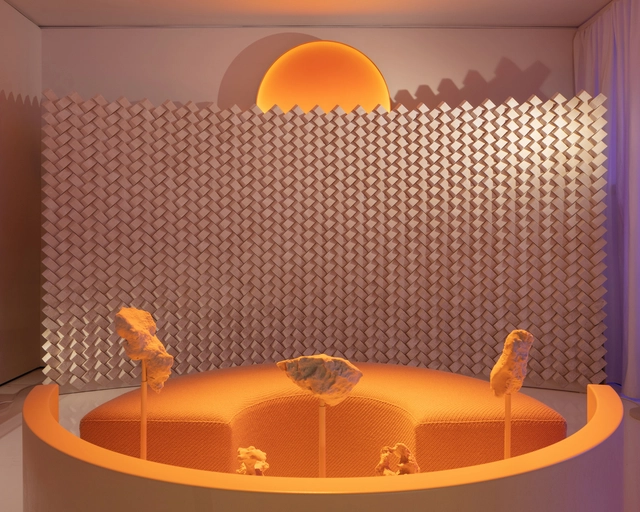
Salt as a Building Material: Rethinking the Life of Minerals and Waste in Architecture with Mále Uribe

In response to today's environmental, political, economic, and social challenges, material experimentation in architecture invites us to recognize the importance of researching and analyzing the properties of construction elements, and to understand the role of spatial design and its immediate surroundings. While various textiles, plastics, and even waste from different sources are being recycled and given a new life, the debate around the use of salt as a building material encourages the development of more sustainable practices to reduce the industry’s impact on the environment, as well as to explore the renewed life of discarded minerals and mining waste for implementation in architecture.
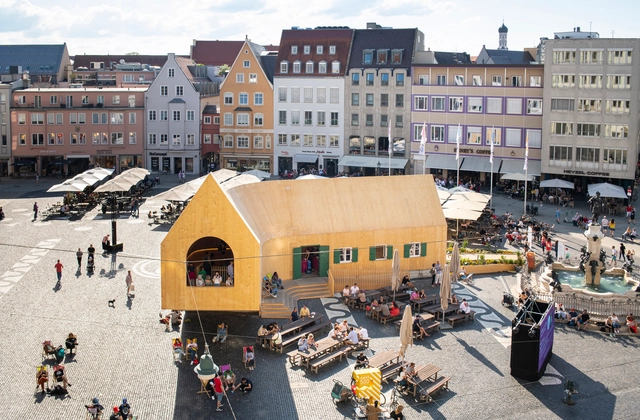
Pavilions in Urban Spaces: On the Experimentation, Recycling, and Reuse of Materials

Subscriber Access | 

How do pavilions emerge in architecture? What role do they play in urban spaces? Beyond the multiple interpretations that exist around the world, the pavilion, as an architectural principle and typology, tends toward extroversion, often associated with a centrifugal nature and visual openness toward the horizon, which is linked to its origins as a tent offering shelter from the elements. Pavilions are usually identified as isolated and independent structures that can promote lateral openings in the urban space, panoramic or introspective views, technological reflections, and material experiments that are recognizable from the outside or once inside.

Pavilions in Urban Spaces: On the Experimentation, Recycling, and Reuse of Materials - Image 1 of 4Pavilions in Urban Spaces: On the Experimentation, Recycling, and Reuse of Materials - Image 2 of 4Pavilions in Urban Spaces: On the Experimentation, Recycling, and Reuse of Materials - Image 3 of 4Pavilions in Urban Spaces: On the Experimentation, Recycling, and Reuse of Materials - Image 4 of 4Pavilions in Urban Spaces: On the Experimentation, Recycling, and Reuse of Materials - More Images+ 26

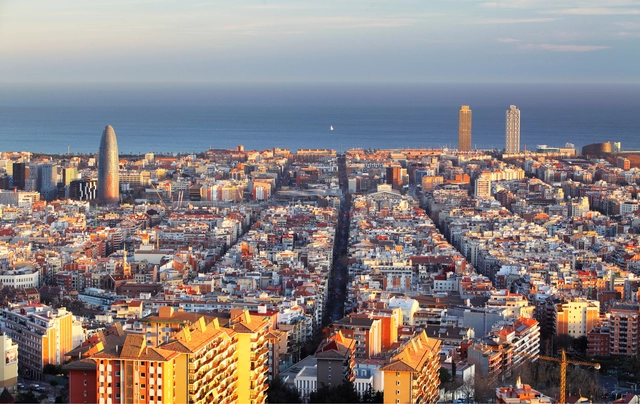
Barcelona will be a Research Laboratory at the UIA World Architecture Congress 2026

The city of Barcelona, along with its metropolitan area, will become a research laboratory as the main venue for the World Congress of Architecture of the International Union of Architects (UIA), scheduled to take place from June 28th to July 2nd, 2026. Its objective is not only for the Congress to be of maximum relevance and interest to the global community of architects but also for real-impact knowledge and practices to emerge in the everyday lives of people and the future of the planet.