1. ArchDaily
  2. Jacuzzi

Jacuzzi: The Latest Architecture and News

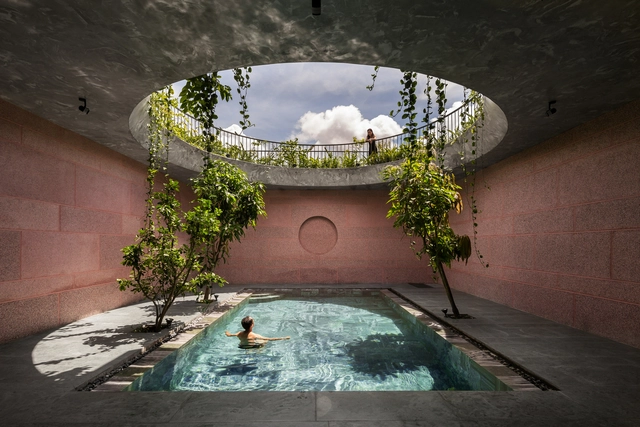
How to Build a Backyard Pool? Types and Features

Subscriber Access | 

Designer pools bring status to luxury homes and five-star hospitality spaces. But adding the cooling, calming, energizing, and environmental benefits of a hyper-local water body to a residence can far outweigh the cost of installation. With a range of long- and short-term landscaping options possible, meanwhile, luxury is available, whatever the budget.

Most pools are built below ground to retain unobstructed visuals above. While all in-ground pools start off the same way – with excavation, then connecting the plumbing and filtration systems – the main difference is in the construction of the pool’s basin. The simplest and quickest method is to lower a pre-fabricated reinforced plastic pool or pre-cast concrete basin into the cavity, before connecting the pipework and backfilling the recess with sand. But this is only suitable for off-the-shelf pools with simple geometries. In order to make the most efficient use of all available space, bespoke pool shapes and sizes are best achieved by pouring or spraying concrete into a rebar or timber frame.

How to Build a Backyard Pool? Types and Features - Image 1 of 4How to Build a Backyard Pool? Types and Features - Image 2 of 4How to Build a Backyard Pool? Types and Features - Image 3 of 4How to Build a Backyard Pool? Types and Features - Image 4 of 4How to Build a Backyard Pool? Types and Features - More Images+ 19

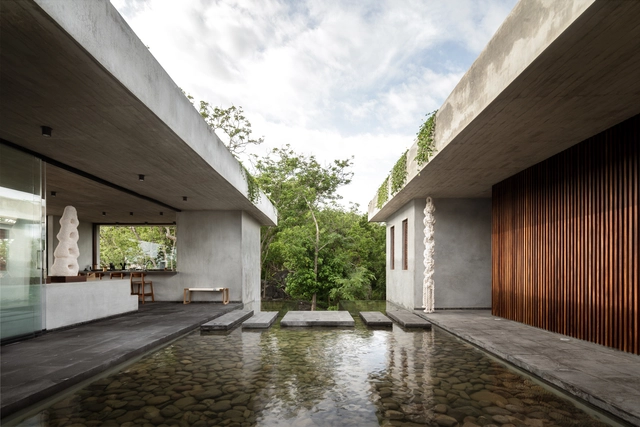
How to Integrate Water into the Design of a House? Ponds, Pools, and Rainwater Treatment

Water and architecture are closely related in habitat design, encompassing both functional and aesthetic aspects. The best option is to take this into account from the beginning of the design process, as implementing appropriate technologies and systems will determine water consumption. Currently, it is our responsibility as professionals to think about how we can reduce and recycle water consumption within our own homes. There are various ways to address these needs, such as installing low-flow devices in faucets and showers, dual-flush toilets, and efficient irrigation systems for landscaping. In addition, rainwater collection and reuse systems can be implemented for irrigation or house cleaning, which contributes to its conservation.