1. ArchDaily
  2. learning space

learning space: The Latest Architecture and News

Evolving Classrooms for Diverse Minds and Futures

 | In Collaboration

Learning something new is, biologically, a transformation of the brain. With each experience, neural connections are reorganized, creating and strengthening synapses. Far more than simply accumulating information, learning is about reconfiguring internal structures, a process that can reshape individuals and societies alike. The environment in which this takes place can cultivate curiosity, adaptability, and emotional resilience, thus supporting our next generation of leaders, or suppress those qualities, leading to withdrawal and isolation.

With the rise of modern schooling during the Industrial Revolution, a standardized model emerged, defined by rows of desks, simultaneous instruction, and visual supervision. Often compared to a factory system, this model still persists in many places despite profound technological shifts. These rigid environments remain even as modern learning demands experimentation and adaptability.
Designing the School of the Future: Multifunctional Spaces for Dynamic Learning

The 21st century has dramatically transformed school architecture, driven by new educational philosophies, technological progress, and social values emphasizing sustainability and inclusion. This change goes beyond mere aesthetics, deeply reshaping how physical spaces contribute to education. Traditional narrow hallways and rows of desks have been replaced by dynamic, flexible spaces that are well-integrated with their surroundings and the community. These modern designs prioritize versatility and multifunctionality.

Designing the School of the Future: Multifunctional Spaces for Dynamic Learning - Image 1 of 4Designing the School of the Future: Multifunctional Spaces for Dynamic Learning - Image 2 of 4Designing the School of the Future: Multifunctional Spaces for Dynamic Learning - Image 3 of 4Designing the School of the Future: Multifunctional Spaces for Dynamic Learning - Image 4 of 4Designing the School of the Future: Multifunctional Spaces for Dynamic Learning - More Images+ 8

Snøhetta Opens the Beijing City Library, Containing the World’s Largest Climatized Reading Space

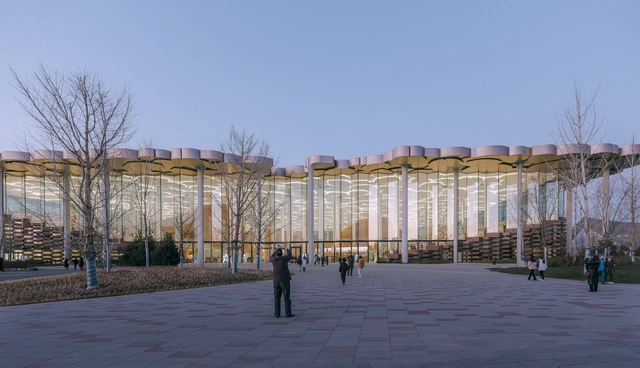
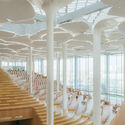
Snøhetta’s Beijing City Library has opened its doors to the public, introducing a unique space for learning and knowledge-sharing in Beijing’s cultural scene. As one of the most anticipated projects of 2024, the library features the world's largest climatized reading space, in addition to various facilities aimed at creating a vibrant cultural destination in the city. Snøhetta was awarded the Beijing City Library in 2018 through an international competition and the project was completed with local partner ECADI.

Snøhetta Opens the Beijing City Library, Containing the World’s Largest Climatized Reading Space - Image 1 of 4Snøhetta Opens the Beijing City Library, Containing the World’s Largest Climatized Reading Space - Image 2 of 4Snøhetta Opens the Beijing City Library, Containing the World’s Largest Climatized Reading Space - Image 3 of 4Snøhetta Opens the Beijing City Library, Containing the World’s Largest Climatized Reading Space - Image 4 of 4Snøhetta Opens the Beijing City Library, Containing the World’s Largest Climatized Reading Space - More Images+ 11

The Design of Learning Spaces: Architecture as a Teaching Tool

Subscriber Access | 

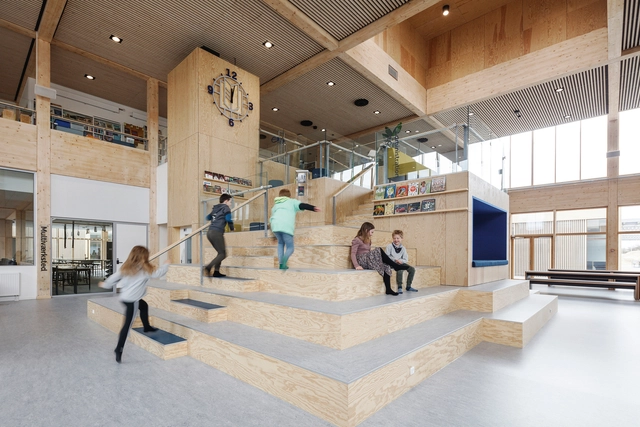
With spaces for children, “you have the opportunity to create architecture that in many ways is unformulated architecture. Children react to spaces completely spontaneously. It is almost an enhanced architecture”, says Dorte Mandrup. The implication is that design can contribute to forming critical thinking, encouraging autonomy, and responsibility, and helping forge future citizens. For the most part, the educational system and its spatial expression haven’t changed significantly in the last hundred years. Nonetheless, with access to information becoming ubiquitous, the focus is slowly moving from accumulating information to nurturing critical thinking, and new teaching methods open up a new area of architectural experimentation. The following explores the impact of space on learning, specifically in primary and secondary education, discussing how architecture could aid the educational process, becoming a teaching tool.

The Design of Learning Spaces: Architecture as a Teaching Tool - Image 1 of 4The Design of Learning Spaces: Architecture as a Teaching Tool - Image 2 of 4The Design of Learning Spaces: Architecture as a Teaching Tool - Image 3 of 4The Design of Learning Spaces: Architecture as a Teaching Tool - Image 4 of 4The Design of Learning Spaces: Architecture as a Teaching Tool - More Images+ 1

Rural Frameworks: Ghana's New Spaces for Learning

Subscriber Access | 

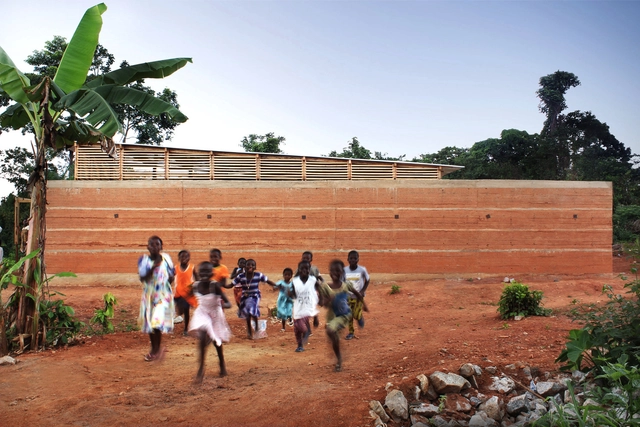
Ghana's architecture has long been tied to local building materials. From traditional thatch roofs and mud walls to contemporary concrete and glass structures, the country's built environment is a refection of the surrounding context. This is true for urban and rural projects alike, and as new educational buildings are created across Ghana, these spaces reflect the country's landscape as they look to the future of learning.

Rural Frameworks: Ghana's New Spaces for Learning - Image 1 of 4Rural Frameworks: Ghana's New Spaces for Learning - Image 2 of 4Rural Frameworks: Ghana's New Spaces for Learning - Image 3 of 4Rural Frameworks: Ghana's New Spaces for Learning - Image 4 of 4Rural Frameworks: Ghana's New Spaces for Learning - More Images+ 2

Reconsidering School Design: Indoor and Outdoor Learning as a Solution for a Healthy Future

Architects are mobilizing their efforts, to help schools around the world reconsider their design in order to guarantee sustainability, emotional wellness, and physical health. CetraRuddy, Cooper Robertson, and WXY are amongst those proposing an increase in outdoor programming and a rearrangement of classrooms, for post-pandemic school design.

The architectural scene has been witnessing lately a growing focus on indoor/outdoor functions. Discover 3 different interventions from 3 different practices, tackling one common issue, and focusing on outdoor space as a major programming element.

Reconsidering School Design: Indoor and Outdoor Learning as a Solution for a Healthy Future - Image 1 of 4Reconsidering School Design: Indoor and Outdoor Learning as a Solution for a Healthy Future - Image 2 of 4Reconsidering School Design: Indoor and Outdoor Learning as a Solution for a Healthy Future - Image 3 of 4Reconsidering School Design: Indoor and Outdoor Learning as a Solution for a Healthy Future - Image 4 of 4Reconsidering School Design: Indoor and Outdoor Learning as a Solution for a Healthy Future - More Images+ 2