1. ArchDaily
  2. Mobiliario Urbano

Mobiliario Urbano: The Latest Architecture and News

Revitalizing Territories in Colombia: Comprehensive Acupunctures for Urban and Social Transformation

Subscriber Access | 

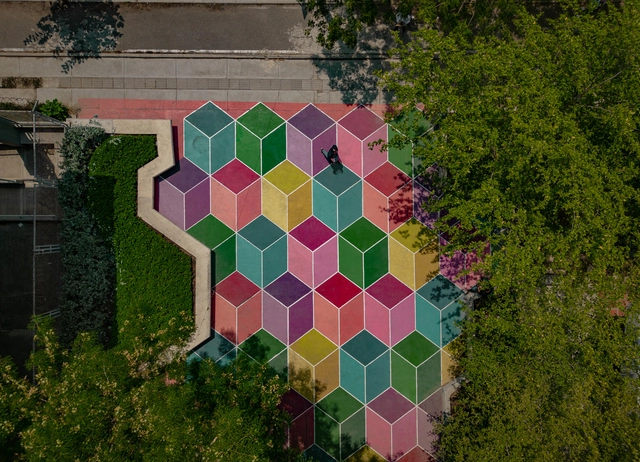
What urban and social transformations do our cities require today? How can urban planning and design contribute to improving the experience of their inhabitants in urban spaces? As Andreea Cutieru explains, urban acupuncture refers to the improvement of social and urban issues through precise interventions capable of revitalizing specific areas of cities and consolidating urban planning strategies. The +VIDA program represents a comprehensive strategy for urban and social transformation in territories, strategically focused on vulnerable populations in the Colombian Caribbean. It encourages the collective construction of cities through the exchange of knowledge, intelligence, and expertise, with the aim of transforming the habitat in an integrated manner.

Revitalizing Territories in Colombia: Comprehensive Acupunctures for Urban and Social Transformation - Image 1 of 4Revitalizing Territories in Colombia: Comprehensive Acupunctures for Urban and Social Transformation - Image 2 of 4Revitalizing Territories in Colombia: Comprehensive Acupunctures for Urban and Social Transformation - Image 3 of 4Revitalizing Territories in Colombia: Comprehensive Acupunctures for Urban and Social Transformation - Image 4 of 4Revitalizing Territories in Colombia: Comprehensive Acupunctures for Urban and Social Transformation - More Images+ 38

Pedestrian Infrastructure: 15 Bridges Connecting Public Spaces and Transforming Cities

Subscriber Access | 

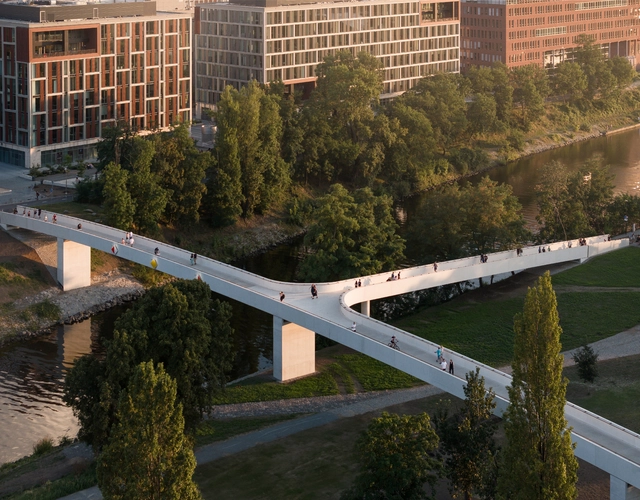
There is growing awareness of the importance of developing pedestrian infrastructure. Bridges and elevated structures enhance the quality of cities by connecting spaces and reducing distances. Their use benefits pedestrians and the thousands of cyclists seeking a more sustainable mode of transportation.

Pedestrian infrastructures, such as bridges, walkways, and widened sidewalks, not only promote sustainable mobility but also contribute to the revitalization of urban areas. Their design can transform underused spaces into active, safe, and accessible places for everyone, enhancing social cohesion and fostering community. By incorporating elements such as greenery, smart lighting, and urban furniture, these structures become more than just thoroughfares: they transform into meeting points and spaces for social interaction.

Pedestrian Infrastructure: 15 Bridges Connecting Public Spaces and Transforming Cities - Image 1 of 4Pedestrian Infrastructure: 15 Bridges Connecting Public Spaces and Transforming Cities - Image 2 of 4Pedestrian Infrastructure: 15 Bridges Connecting Public Spaces and Transforming Cities - Image 3 of 4Pedestrian Infrastructure: 15 Bridges Connecting Public Spaces and Transforming Cities - Image 4 of 4Pedestrian Infrastructure: 15 Bridges Connecting Public Spaces and Transforming Cities - More Images+ 26