1. ArchDaily
  2. Mountain Ecosystem

Mountain Ecosystem: The Latest Architecture and News

Forest Futures: Rethinking Architecture of Forest Ecosystems and Ecological Balance

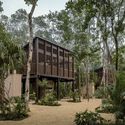
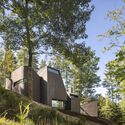
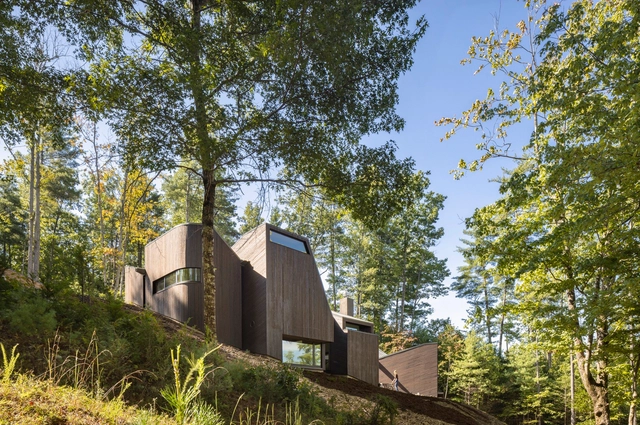
Forests are among the most complex yet vital ecosystems on Earth. They regulate climate, support biodiversity, and sustain human communities. With the growing realities of climate change and environmental degradation, architects, planners, and engineers now face a new imperative: designing within forests in ways that sustain the ecosystems on which they depend.
Forest Futures: Rethinking Architecture of Forest Ecosystems and Ecological Balance - Image 1 of 4Forest Futures: Rethinking Architecture of Forest Ecosystems and Ecological Balance - Image 2 of 4Forest Futures: Rethinking Architecture of Forest Ecosystems and Ecological Balance - Image 3 of 4Forest Futures: Rethinking Architecture of Forest Ecosystems and Ecological Balance - Image 4 of 4Forest Futures: Rethinking Architecture of Forest Ecosystems and Ecological Balance - More Images+ 7

Mid-Century Modernism and East Coast Ruralism: A Study of Adaptive Design

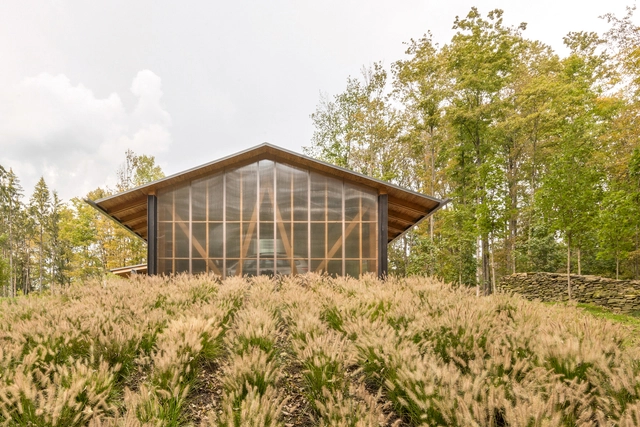
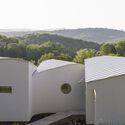
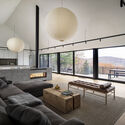
Mid-century modernism, celebrated for its simplicity, functionality, and direct connection with nature, is often associated with urban and suburban environments. However, its principles found fertile ground in the rural landscapes of the United States East Coast. The post-war architectural movement, characterized by innovative materials, clean lines, and harmony with natural surroundings, reveals its adaptability in the hands of architects and craftsmen working in rural regions of the East Coast. Although associated with metropolitan areas, its adoption in rural settings reveals a compelling story of cultural and environmental adaptation.

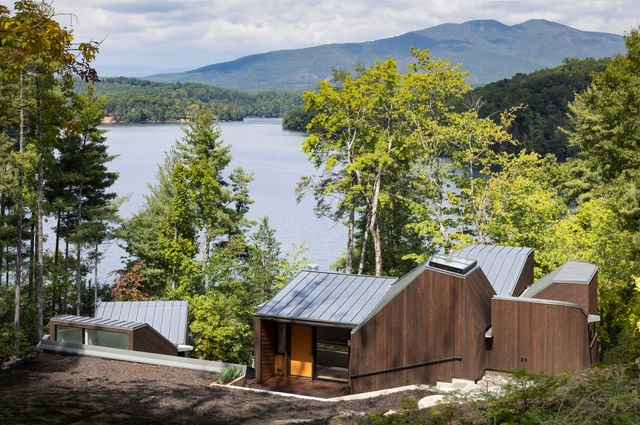
Mid-Century Modernism and East Coast Ruralism: A Study of Adaptive Design - Image 1 of 4Mid-Century Modernism and East Coast Ruralism: A Study of Adaptive Design - Image 2 of 4Mid-Century Modernism and East Coast Ruralism: A Study of Adaptive Design - Image 3 of 4Mid-Century Modernism and East Coast Ruralism: A Study of Adaptive Design - Image 4 of 4Mid-Century Modernism and East Coast Ruralism: A Study of Adaptive Design - More Images+ 11

On Mountains: Architectural Designs Adjusted for High-Altitude Climates

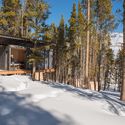
Mountainous and high-altitude regions are considered to be among the most fragile ecosystems on Earth. From melting glaciers to land erosion, these environments face mounting threats from climate change, making it imperative to reimagine how architecture and its supporting infrastructure are designed for such places.

The communities settled in mountain ecosystems are especially vulnerable to the impacts of climate change because of their proximity to early symptoms of changing environments and lack of access to adaptive resources and materials. Beyond all poetic aspirations of building and living in mountain environments, it is an urgent challenge to design solutions that properly resist hostile climatic conditions and promote sustainable and safe human settlements in mountainous regions.

On Mountains: Architectural Designs Adjusted for High-Altitude Climates - Image 1 of 4On Mountains: Architectural Designs Adjusted for High-Altitude Climates - Image 2 of 4On Mountains: Architectural Designs Adjusted for High-Altitude Climates - Image 3 of 4On Mountains: Architectural Designs Adjusted for High-Altitude Climates - Image 4 of 4On Mountains: Architectural Designs Adjusted for High-Altitude Climates - More Images+ 15

The Beaten Path: Connecting Towns and Identity through Appalachian Trail Networks

Subscriber Access | 

Every year, over a thousand people complete the 2,192-mile (3528-kilometer) Appalachian Trail between Springer Mountain in Georgia and Mount Katahdin in Maine. Millions more follow the trail for a shorter stretch by spending time at the countless overlooks, walking along the wooded ridges, or meandering through the small town centers, making this network one of the world's most visited and widely recognized trail corridors. However, the proposal for this expansive trail corridor, originally entered in a 1921 Journal of the American Institute of Architects article by Benton MacKaye, was far from a mere recreational outdoor amenity. This "project in regional planning" was a radical critique of the industrializing modernity that sharpened the divide between expanding cities of the Eastern coast and waning towns of the Appalachian mountains.

The Beaten Path: Connecting Towns and Identity through Appalachian Trail Networks - Image 1 of 4The Beaten Path: Connecting Towns and Identity through Appalachian Trail Networks - Image 2 of 4The Beaten Path: Connecting Towns and Identity through Appalachian Trail Networks - Image 3 of 4The Beaten Path: Connecting Towns and Identity through Appalachian Trail Networks - Image 4 of 4The Beaten Path: Connecting Towns and Identity through Appalachian Trail Networks - More Images+ 26

Snøhetta Reveals Design for a Mountain Refuge in France’s Pyrenees National Park

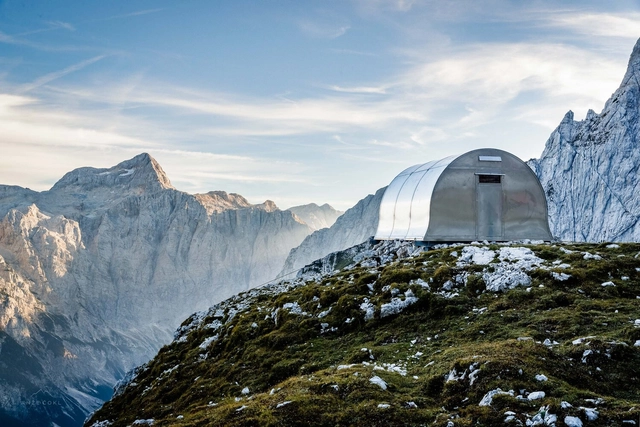
Snøhetta has announced a project to rebuild the Refuge de Barroude, a mountain refuge located in a UNESCO World Heritage site in the Pyrenees Mountain range of France. The old building, destroyed in an accidental fire ten years ago, is set to be revived as a stop-off point for hikers on the Haute Route des Pyrénées and as a support center for the staff of the National Park. The next phase of the project is due to begin in 2025.

Snøhetta Reveals Design for a Mountain Refuge in France’s Pyrenees National Park - Image 1 of 4Snøhetta Reveals Design for a Mountain Refuge in France’s Pyrenees National Park - Image 2 of 4Snøhetta Reveals Design for a Mountain Refuge in France’s Pyrenees National Park - Image 3 of 4Snøhetta Reveals Design for a Mountain Refuge in France’s Pyrenees National Park - Image 4 of 4Snøhetta Reveals Design for a Mountain Refuge in France’s Pyrenees National Park - More Images+ 6