1. ArchDaily
  2. Nakagin Capsule Tower

Nakagin Capsule Tower: The Latest Architecture and News

Designing the Future, Again: What the 55-Year Return of the World Expo to Osaka Reveals

Subscriber Access | 

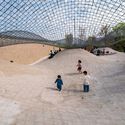
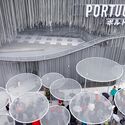
The 2025 Osaka Expo has captured widespread attention—not only for its architectural ambition and spectacle, but also for breaking records and generating controversy. Its most iconic feature, a monumental timber ring designed by Sou Fujimoto, has already made headlines as a Guinness World Record-breaking wooden structure. Built on the reclaimed island of Yumeshima, the site has attracted praise and critique in equal measure. Beyond its awe-inspiring 2-kilometer circumference—parts of which extend dramatically over the water—the structure has also drawn concerns, including questions about health & safety, extreme heat, and swarms of insects that may affect the visitor experience.

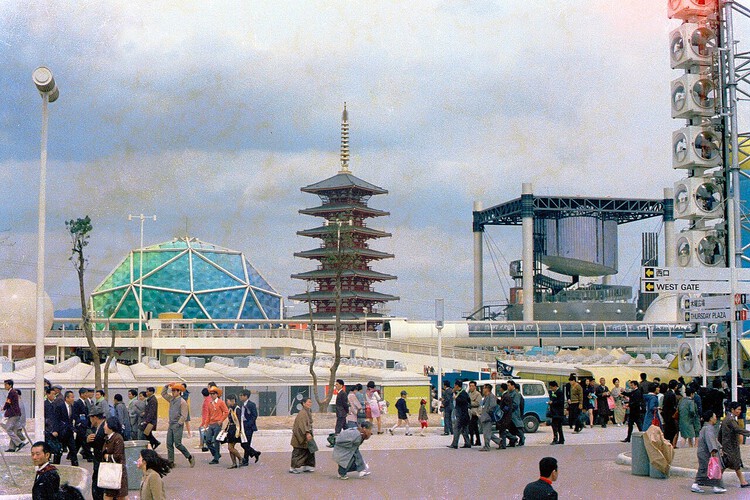
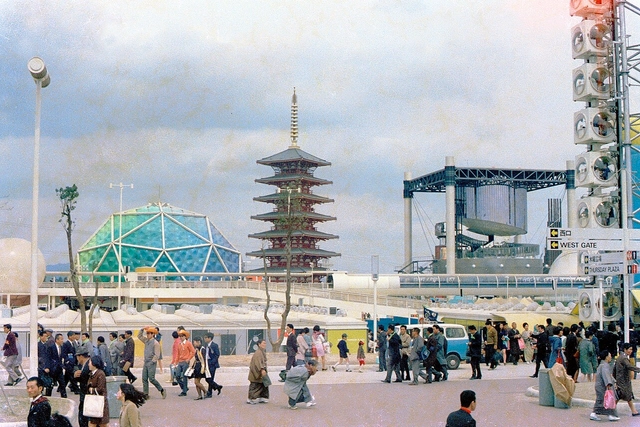
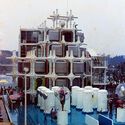
This year also marks a significant anniversary: the 55th year since the 1970 Osaka Expo, held under drastically different socio-economic conditions. Comparing these two expos—both hosted in the same city—offers a rare opportunity to reflect on how the rhetoric, curatorial themes, and architectural ambitions of world expos have evolved over time. From "Progress and Harmony for Mankind" in 1970 to "Designing Future Society for Our Lives" in 2025, the shift in thematic focus reveals changing global priorities. Meanwhile, the scale and nature of architectural involvement have also transformed, from the futuristic visions of Japanese Metabolism to a more internationally dispersed group of designers concerned with sustainability, technology, and civic engagement.
Designing the Future, Again: What the 55-Year Return of the World Expo to Osaka Reveals - Image 1 of 4Designing the Future, Again: What the 55-Year Return of the World Expo to Osaka Reveals - Image 2 of 4Designing the Future, Again: What the 55-Year Return of the World Expo to Osaka Reveals - Image 3 of 4Designing the Future, Again: What the 55-Year Return of the World Expo to Osaka Reveals - Image 4 of 4Designing the Future, Again: What the 55-Year Return of the World Expo to Osaka Reveals - More Images+ 21

A Restored Module from Tokyo’s Nakagin Capsule Tower Goes on Year-Long Display at MoMA

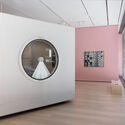
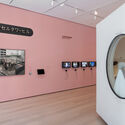
The Museum of Modern Art (MoMA) in New York is hosting an exhibition dedicated to Japanese architect Kisho Kurokawa's Nakagin Capsule Tower from July 10, 2025, through July 12, 2026. Titled The Many Lives of the Nakagin Capsule Tower, the exhibition offers a retrospective on the building's 50-year lifespan. Constructed in Tokyo's Ginza district in 1972 and dismantled in 2022, the tower is presented through contextual materials, original drawings, archival recordings, and a fully restored capsule. The exhibition invites reflection on how cities address aging buildings and the rapid transformation of urban areas. The diverse materials documenting the tower's continuous evolution over five decades encourage viewers to consider how architecture might endure by taking on new roles and functions beyond its original purpose.

A Restored Module from Tokyo’s Nakagin Capsule Tower Goes on Year-Long Display at MoMA - Image 1 of 4A Restored Module from Tokyo’s Nakagin Capsule Tower Goes on Year-Long Display at MoMA - Image 2 of 4A Restored Module from Tokyo’s Nakagin Capsule Tower Goes on Year-Long Display at MoMA - Image 3 of 4A Restored Module from Tokyo’s Nakagin Capsule Tower Goes on Year-Long Display at MoMA - Image 4 of 4A Restored Module from Tokyo’s Nakagin Capsule Tower Goes on Year-Long Display at MoMA - More Images+ 11

Demolished and Rebuilt: The Identity of Architectural Replicas

The rights to reconstruct Kisho Kurokawa's iconic Nakagin Capsule Tower are currently sold on one of the largest NFT sites. While the tower’s demolition has begun earlier this year, the auction sells the right to rebuild the structure, in both the metaverse and in real space. The idea of recreating the Metabolic building in a virtual space seems natural. It could allow a larger community to explore an iconic piece of architecture and encourage them to experiment with it, an initiative in line with Metabolist ideals. On the other hand, the idea of reconstructing a demolished historical building in the physical world raises a different set of conflicting emotions. Architectural replicas are not the norm, but their existence raises questions regarding the identity and authenticity of works of architecture.

Demolished and Rebuilt: The Identity of Architectural Replicas - Image 1 of 4Demolished and Rebuilt: The Identity of Architectural Replicas - Image 2 of 4Demolished and Rebuilt: The Identity of Architectural Replicas - Image 3 of 4Demolished and Rebuilt: The Identity of Architectural Replicas - Image 4 of 4Demolished and Rebuilt: The Identity of Architectural Replicas - More Images+ 5

Where Are the 23 Modules Saved from the Demolished Nakagin Capsule Tower Now?

Subscriber Access | 

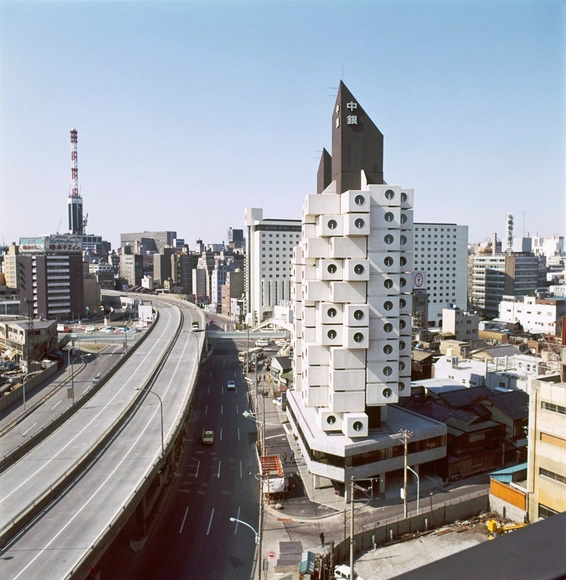
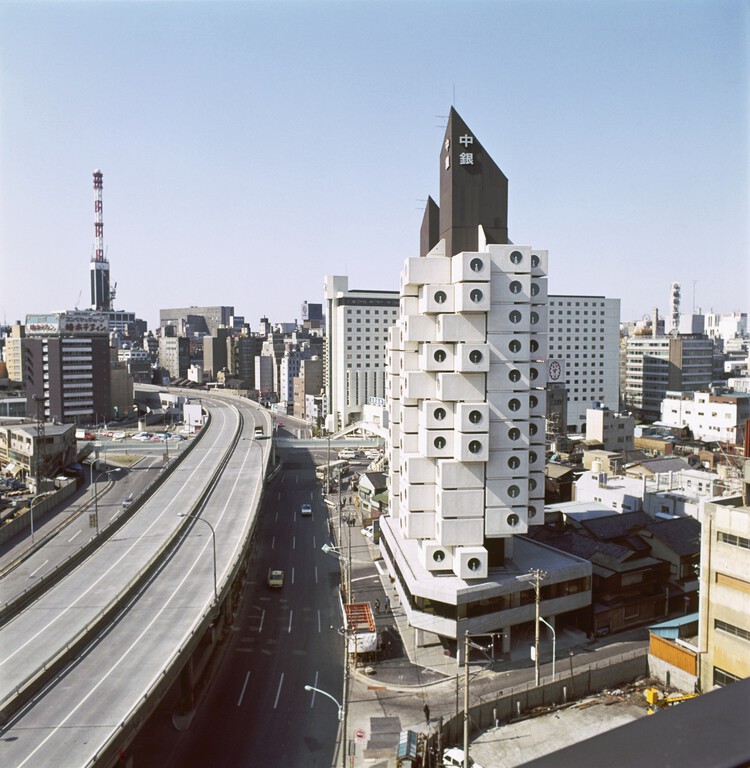
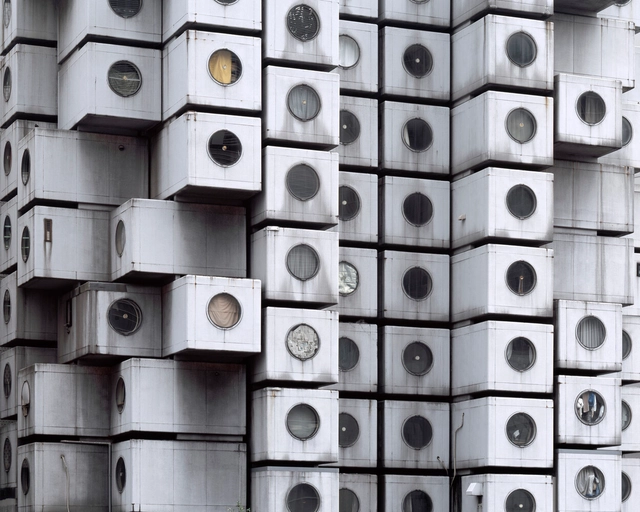
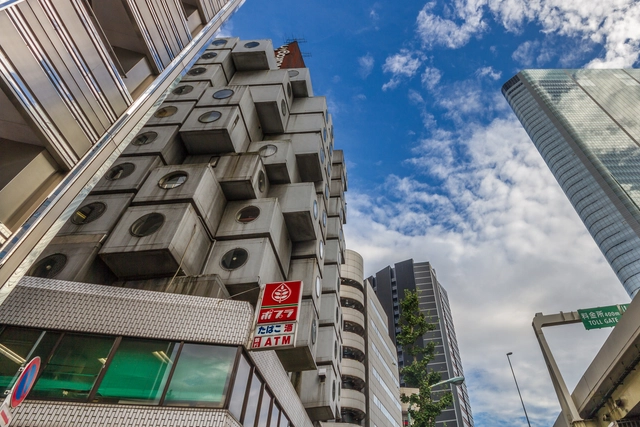
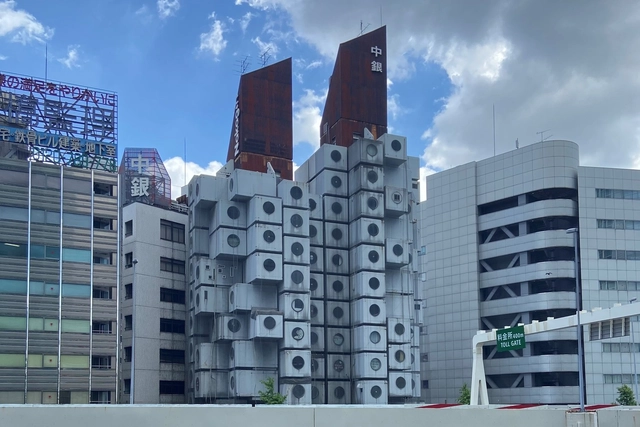
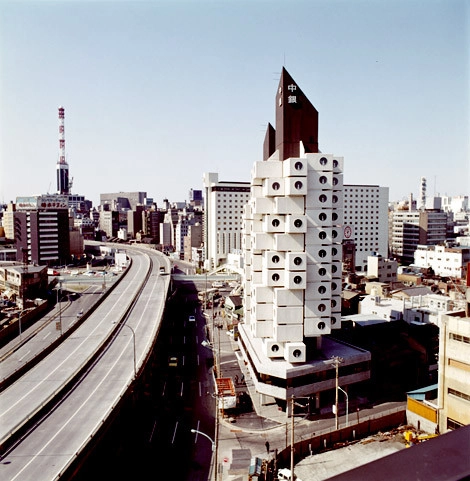
When Kisho Kurokawa designed his now iconic Nakagin Capsule Tower in 1972, the structure was meant to represent the core principles of Metabolism, experimenting with ideas of growth and change borrowed from biological processes. The emerging style in postwar Japan aimed to create buildings and megastructures that emulate living organisms that can evolve, expand, contract, and adapt to their changing conditions. Following this concept, the Nakagin tower was composed of 140 identical cell-like capsule units, each individually bolted to the two central shafts. The capsules were intended to be replaced and upgraded every 25 years, allowing for flexibility and mutation. The innovation proved to be impractical, however. Almost 50 years after its construction, the tower was demolished, but not in its entirety. A total of 23 capsules were saved and removed from the building to be given a new life. Now, the capsules are scattered around the world, continuing to represent Metabolist ideals in unexpected ways.

Where Are the 23 Modules Saved from the Demolished Nakagin Capsule Tower Now? - Image 1 of 4Where Are the 23 Modules Saved from the Demolished Nakagin Capsule Tower Now? - Image 2 of 4Where Are the 23 Modules Saved from the Demolished Nakagin Capsule Tower Now? - Image 3 of 4Where Are the 23 Modules Saved from the Demolished Nakagin Capsule Tower Now? - Image 4 of 4Where Are the 23 Modules Saved from the Demolished Nakagin Capsule Tower Now? - More Images+ 6

Gluon Preserves the Now-Dismantled Nakagin Capsule Tower Building in the Metaverse

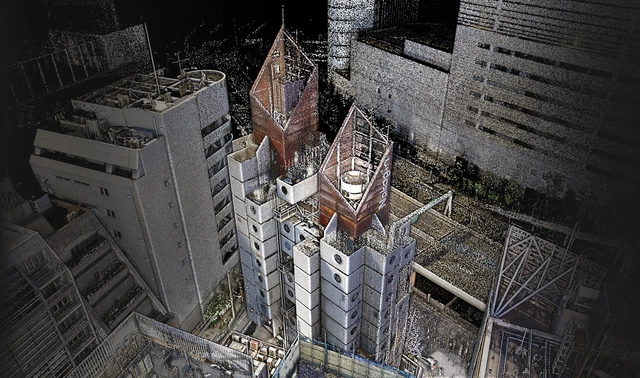
Japanese digital consultancy Gluon plans to preserve the Nakagin Capsule Tower Building in Tokyo, one of the most representative examples of Japanese Metabolism by Kisho Kurokawa. The “3D Digital Archive Project” is using a combination of measurement techniques to record the iconic building in three dimensions and recreate it in the metaverse. The tower is currently being demolished due to the structure's precarious state and incompatibility with current seismic standards, as well as the general state of decay and lack of maintenance.

Gluon Preserves the Now-Dismantled Nakagin Capsule Tower Building in the Metaverse - Image 1 of 4Gluon Preserves the Now-Dismantled Nakagin Capsule Tower Building in the Metaverse - Image 2 of 4Gluon Preserves the Now-Dismantled Nakagin Capsule Tower Building in the Metaverse - Image 3 of 4Gluon Preserves the Now-Dismantled Nakagin Capsule Tower Building in the Metaverse - Image 4 of 4Gluon Preserves the Now-Dismantled Nakagin Capsule Tower Building in the Metaverse - More Images+ 22

Kisho Kurokawa's Nakagin Capsule Tower in Visually Captivating Film 'Kochuu'

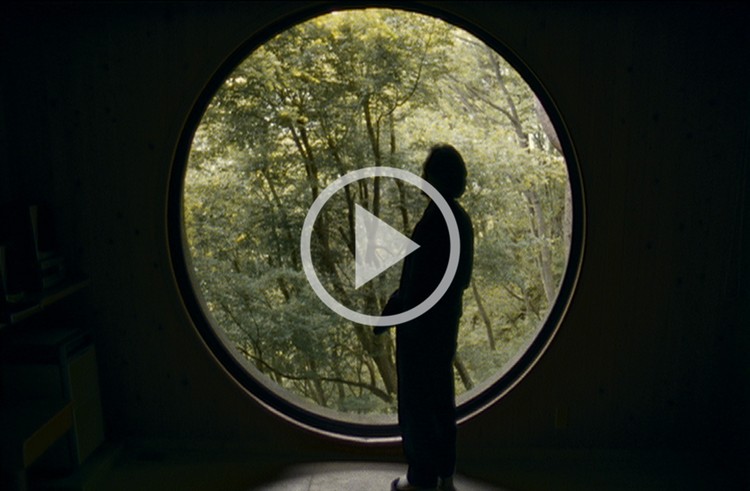
‘’In the background there is still invisible Japanese tradition’’, expresses Kisho Kurokawa, in an excerpt from the film ‘Kochuu’. He puts an emphasis on Japanese tradition, an architectural tradition that rejects symmetry despite the utilization of high-tech. He contemplates the Nakagin capsule tower (1972) a mixed-use residential and office tower located in Tokyo, Japan. The first of capsule architecture built for practical and permanent use.

Jesper Wachtmeister’s ‘Kochuu’ is based upon the influence and origins of Modernist Japanese architecture. Through visions of the future, tradition and nature, it amplifies elements of Japanese tradition and its impact on Nordic design. The narrative tells us of how contemporary Japanese architects strive to unite the ways of modern man with old philosophies to create anew.

Kisho Kurokawa's Nakagin Capsule Tower in Visually Captivating Film 'Kochuu' - Image 1 of 4Kisho Kurokawa's Nakagin Capsule Tower in Visually Captivating Film 'Kochuu' - Image 2 of 4Kisho Kurokawa's Nakagin Capsule Tower in Visually Captivating Film 'Kochuu' - Image 3 of 4Kisho Kurokawa's Nakagin Capsule Tower in Visually Captivating Film 'Kochuu' - Image 4 of 4Kisho Kurokawa's Nakagin Capsule Tower in Visually Captivating Film 'Kochuu' - More Images+ 1

Nakagin Capsule Tower to be Demolished Mid-April

Following months of uncertainties and preservation attempts, Kisho Kurokawa's iconic Nakagin Capsule Tower will be demolished on April 12th of this year. Tatsuyuki Maeda, one of the current owners of the tower, explained that a team will try to preserve some of the capsules, and regenerate them as accommodation units and museum installations across the world.

Nakagin Capsule Tower to be Demolished Mid-April  - Image 1 of 4Nakagin Capsule Tower to be Demolished Mid-April  - Image 2 of 4Nakagin Capsule Tower to be Demolished Mid-April  - Image 3 of 4Nakagin Capsule Tower to be Demolished Mid-April  - Image 4 of 4Nakagin Capsule Tower to be Demolished Mid-April  - More Images

Nakagin Capsule Tower Building to be Regenerated as Modular Accommodation Capsules

After ongoing uncertainties about the future state of the The Nakagin Capsule Tower Building, Kisho Kurokawa Architects and Urban Design Office Chiyoda-ku, have decided to dismantle the iconic architecture and regenerate its capsules as accommodation units and museum installations across the world. The regeneration plan follows the initial concept of "Metabolism", re-configurating the elements instead of complete demolition.

Nakagin Capsule Tower Building to be Regenerated as Modular Accommodation Capsules  - Image 1 of 4Nakagin Capsule Tower Building to be Regenerated as Modular Accommodation Capsules  - Image 2 of 4Nakagin Capsule Tower Building to be Regenerated as Modular Accommodation Capsules  - Image 3 of 4Nakagin Capsule Tower Building to be Regenerated as Modular Accommodation Capsules  - Image 4 of 4Nakagin Capsule Tower Building to be Regenerated as Modular Accommodation Capsules  - More Images+ 5

Nakagin Capsule Tower: a Prototype for Today's Micro Housing

Seizing on the current trend for 'micro-apartments' in cities such as New York, Fast Company has an interesting profile (including some great photos) of the Nakagin Capsule Tower, the 1972 Japanese building, one of the first (and still one of the most extreme) examples of small-plan living. The article explores both the successful and unsuccessful elements of the design, such as the difficult maintenance and non-openable windows, as well as the ongoing battle for preservation since the residents voted to replace the tower with a conventional building. You can read the full article here.