1. ArchDaily
  2. National Monument

National Monument: The Latest Architecture and News

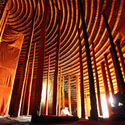
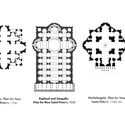
Incremental Iconation: A Path for Developing Monumental Buildings in the Global South

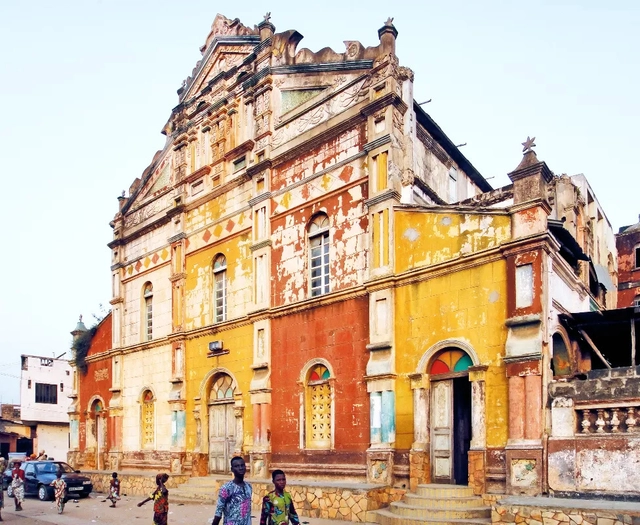
Buildings that are designed to layer stories and memories, evoke a sense of aspiration, define cultural narratives, and build a national identity will always be important in all societies. When buildings have this power to shape communities, make an impact on a city’s image, and change the course of socio-economic growth, then they can be identified as iconic. Though the term “iconic” is subjective, it is one that pushes the boundaries of architecture in any context. It calls for spatial originality, proposes innovative material technology, and necessitates a radical socio-economic investment to be realized.

However, since the economies of developing countries in the global south cannot meet the requirements of these architectural structures, is there a more suitable socio-economic model for monumental structures in this context? Can the incremental principles of small adaptable changes and growth be applied to the finite iconic aspiration of this architecture?


Incremental Iconation: A Path for Developing Monumental Buildings in the Global South - Image 1 of 4Incremental Iconation: A Path for Developing Monumental Buildings in the Global South - Image 2 of 4Incremental Iconation: A Path for Developing Monumental Buildings in the Global South - Image 3 of 4Incremental Iconation: A Path for Developing Monumental Buildings in the Global South - Image 4 of 4Incremental Iconation: A Path for Developing Monumental Buildings in the Global South - More Images+ 2

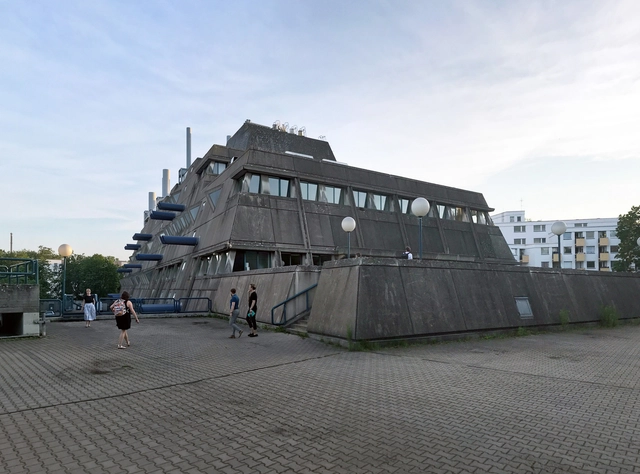
Berlin's Iconic Brutalist Mäusebunker Building Spared from Demolition

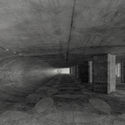
The former animal laboratories of the Charité in Lichterfelde, also known as the Mäusebunker building, have now been placed under monument protection, saving it from the threat of demolition that has been slated since 2010. The brutalist structure was designed by architects Gerd and Magdalena Hänska and built from 1971, and put into operation in 1982. While its strong image, combined with its function as a laboratory for animal tests, resulted in the general public’s distaste for it, the Brutalist building slowly gained acceptance and even a cult status among brutalist fans.

Berlin's Iconic Brutalist Mäusebunker Building Spared from Demolition - Image 1 of 4Berlin's Iconic Brutalist Mäusebunker Building Spared from Demolition - Image 2 of 4Berlin's Iconic Brutalist Mäusebunker Building Spared from Demolition - Image 3 of 4Berlin's Iconic Brutalist Mäusebunker Building Spared from Demolition - Image 4 of 4Berlin's Iconic Brutalist Mäusebunker Building Spared from Demolition - More Images

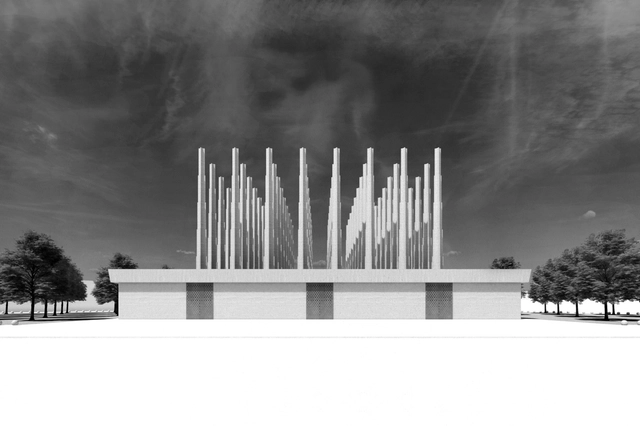
Adjaye Associates Reveals Conceptual Design for the Martyrs Memorial in Niamey, Niger

Adjaye Associates has recently designed a project in Niamey, Niger to honor all those that lost their lives in the fight against terrorism on the country’s southern and western borders. The Martyrs Memorial is in fact “tangible documentation of the continuous fight against extremist entities and the soldiers who have fallen in the process”.

Adjaye Associates Reveals Conceptual Design for the Martyrs Memorial in Niamey, Niger - Image 1 of 4Adjaye Associates Reveals Conceptual Design for the Martyrs Memorial in Niamey, Niger - Image 2 of 4Adjaye Associates Reveals Conceptual Design for the Martyrs Memorial in Niamey, Niger - Image 3 of 4Adjaye Associates Reveals Conceptual Design for the Martyrs Memorial in Niamey, Niger - Image 4 of 4Adjaye Associates Reveals Conceptual Design for the Martyrs Memorial in Niamey, Niger - More Images+ 5

Valparaiso Architecture Guide: Places to Visit in Chile's Jewel of the Pacific

Subscriber Access | 

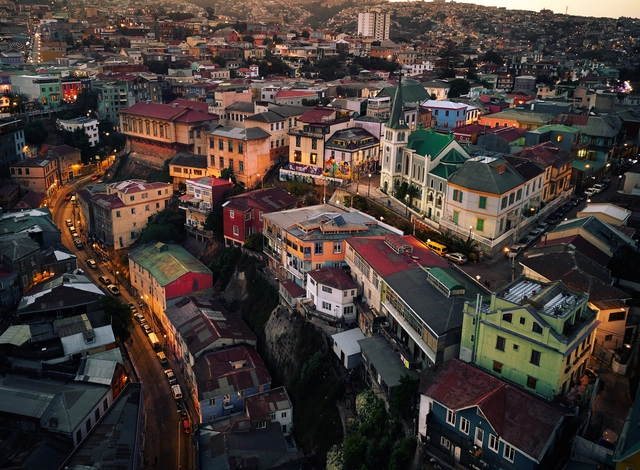
Situated at the foot of 45 hills along the Chilean coast, Valparaíso was a key port in the South Pacific during the 20th century before the construction of the Panama Canal. Thanks to its rapid industrial and commercial growth, the port underwent an urban transformation, attracting thousands of foreigners and cementing its reputation as a bustling South American cosmopolis rich in society, culture, and architecture.  

Described by The Guardian as a "Berlin by the seaside", Valparaiso's historic downtown was declared a World Heritage Site by UNESCO in 2003 and the city's cultural and architectural wealth make it a must-see for tourists and architecture aficionados alike.

In this article, we present a guide written by one of the city's many enthusiasts that will give a complete and in-depth look at the port's many treasures. The guide is written as if for a walking tour, starting in Plaza Sotomayor, the city's main square. The route can be divided into two days, with the first part ending at the Palacio Baburizza and the second beginning with the Valparaiso Cultural Park. Take a tip from the experts--if you get lost, don't trust an app to find your way. Ask a local!