1. ArchDaily
  2. natural integration

natural integration: The Latest Architecture and News

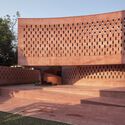
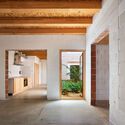
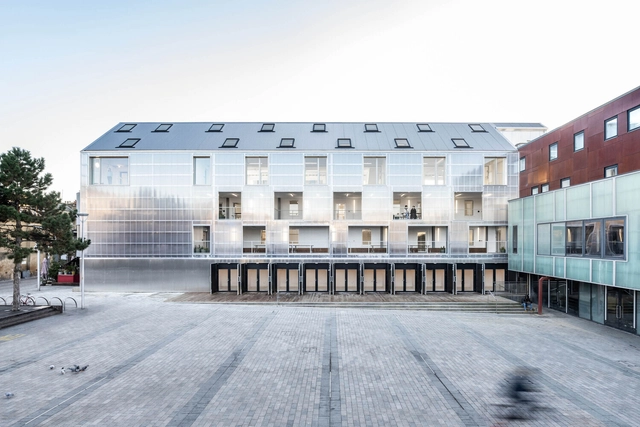
How Breathable Should Facades Be? Exploring Permeability and Impermeability in Building Envelopes

The main role of architecture is to create structures that protect us from the environment and create spaces that are safe and comfortable for all types of needs and activities. By providing shelter, architecture also shapes the way people interact with their surroundings. Building technologies of the past rarely managed, however, to create a complete separation between us and the outside world.

While impermeability was a desired outcome, the porous building materials available always allowed some water, wind, or outside particles to leak into the interior spaces. In contrast, modern technologies now allow for almost completely impermeable building envelopes, allowing for complete separation between indoors and outdoors, thus relying on engineered systems to regulate temperature, airflow, or humidity. This article explores the differences between these two contrasting approaches, exploring how building facades are equipped to regulate indoor comfort and its environmental impact.

How Breathable Should Facades Be? Exploring Permeability and Impermeability in Building Envelopes - Image 1 of 4How Breathable Should Facades Be? Exploring Permeability and Impermeability in Building Envelopes - Image 2 of 4How Breathable Should Facades Be? Exploring Permeability and Impermeability in Building Envelopes - Image 3 of 4How Breathable Should Facades Be? Exploring Permeability and Impermeability in Building Envelopes - Image 4 of 4How Breathable Should Facades Be? Exploring Permeability and Impermeability in Building Envelopes - More Images+ 5

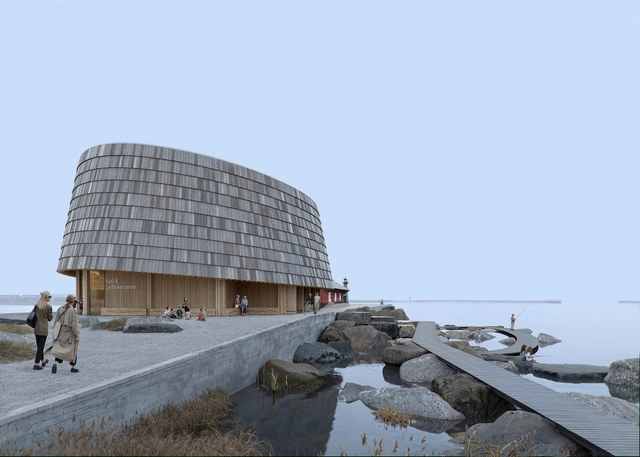
3XN GXN Reveals Design for Coastal Nature and Fishing Complex in Assens, Denmark

3XN GXN and landscape architect DETBLÅ have won the commissions for the design of a new Centre for Coastal Nature and Sport Fishing in Assens, Denmark. The proposal features a subtle oval structure to showcase local stories of the natural environment. The building aims to enhance public awareness and appreciation of the marine environment, reflecting a growing understanding of the need for better marine stewardship. It will also act as a hub for knowledge exchange about the impact of humans and climate change on the sea.

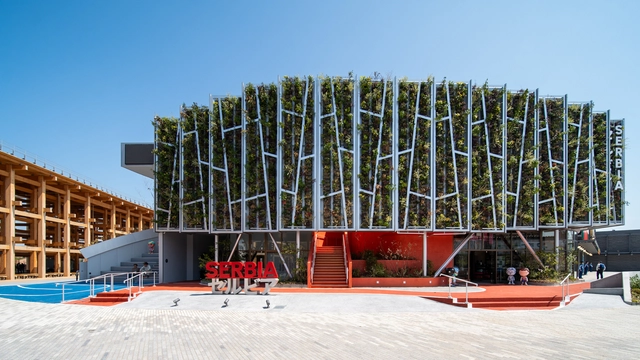
Aleatek Studio Designs the Serbia Pavilion at Expo 2025 Osaka

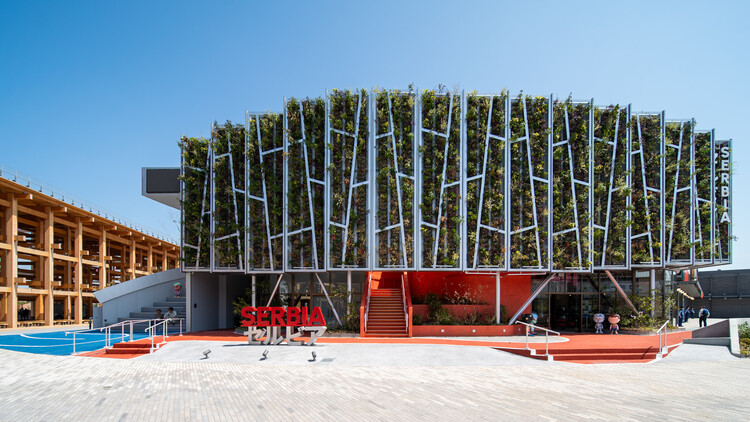
The Serbian Pavilion at Expo Osaka 2025 emerges as a compelling example of sustainable architecture infused with cultural storytelling, seamlessly integrating cutting-edge technology and emotional resonance. Designed by Aleatek Studio, the pavilion takes inspiration from Belgrade's protected Ratno Ostrvo (Great War Island) to realize the concept of a "Floating Forest." It stands out as the only Expo pavilion featuring a living façade, with over 95% of its materials recyclable and 80% intended for reuse in future construction. The design strategy also aligns with the theme "Play for humanity" of the upcoming Specialised Expo 2027 to be held in Belgrade.

Aleatek Studio Designs the Serbia Pavilion at Expo 2025 Osaka - Image 1 of 4Aleatek Studio Designs the Serbia Pavilion at Expo 2025 Osaka - Image 2 of 4Aleatek Studio Designs the Serbia Pavilion at Expo 2025 Osaka - Image 3 of 4Aleatek Studio Designs the Serbia Pavilion at Expo 2025 Osaka - Image 4 of 4Aleatek Studio Designs the Serbia Pavilion at Expo 2025 Osaka - More Images+ 17

Mecanoo, Meng, and LOLA Landscape Architects Win Competition for the Design of the Guangming Scientist Valley in Shenzhen

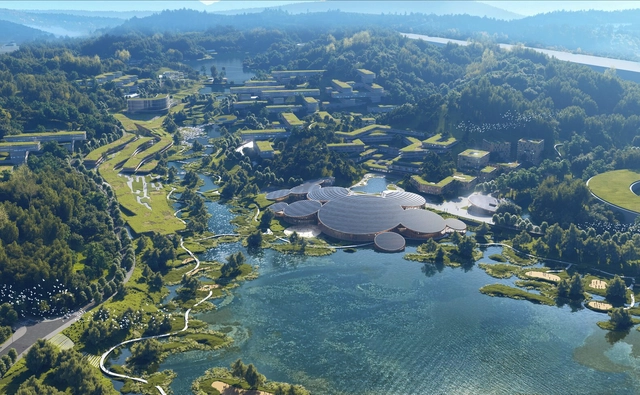
Mecanoo, in collaboration with Meng Architects and LOLA Landscape Architects, has been selected as the winner of the international design competition for the design of the Shenzhen Guangming Scientist Valley. The aim of the project is to create a facility for research and innovation that is also engaging for a larger public while also being integrated and coexisting with the surrounding natural environment. The project includes an area of approximately 1.2 square kilometers located in a strategic place to serve the larger scientific community, from Guangdong, to Hong Kong, and Macao.

Mecanoo, Meng, and LOLA Landscape Architects Win Competition for the Design of the Guangming Scientist Valley in Shenzhen - Image 2 of 4Mecanoo, Meng, and LOLA Landscape Architects Win Competition for the Design of the Guangming Scientist Valley in Shenzhen - Image 5 of 4Mecanoo, Meng, and LOLA Landscape Architects Win Competition for the Design of the Guangming Scientist Valley in Shenzhen - Image 1 of 4Mecanoo, Meng, and LOLA Landscape Architects Win Competition for the Design of the Guangming Scientist Valley in Shenzhen - Image 4 of 4Mecanoo, Meng, and LOLA Landscape Architects Win Competition for the Design of the Guangming Scientist Valley in Shenzhen - More Images+ 3