1. ArchDaily
  2. Nature Reserve

Nature Reserve: The Latest Architecture and News

Kengo Kuma & Associates and Paul Raff Studio Selected to Design New Banff National Park Visitor Centre in Canada

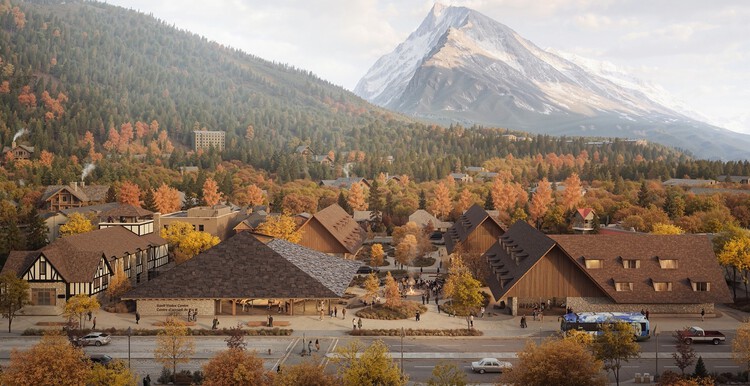
On May 13, 2026, Parks Canada, the federal agency responsible for protecting and managing Canada's natural and cultural heritage, announced the winning design for a reimagined visitor centre and community space in Banff National Park. The competition was organized in partnership with the Royal Architectural Institute of Canada (RAIC) as part of the 200-Block Banff Avenue Redevelopment Project. The proposal by Paul Raff Studio and Kengo Kuma & Associates was selected from a shortlist of five pre-qualified teams that also included EVOQ + Ryder, KPMB Architects, Revery Architecture, and Stantec Architecture. An independent jury assembled by the RAIC selected the design for its approach to landscape, sustainability principles, and its balance between conservation, heritage, Indigenous perspectives, and visitor experience, among other considerations.
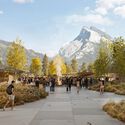
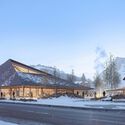
Kengo Kuma & Associates and Paul Raff Studio Selected to Design New Banff National Park Visitor Centre in Canada - Image 1 of 4Kengo Kuma & Associates and Paul Raff Studio Selected to Design New Banff National Park Visitor Centre in Canada - Image 2 of 4Kengo Kuma & Associates and Paul Raff Studio Selected to Design New Banff National Park Visitor Centre in Canada - Image 3 of 4Kengo Kuma & Associates and Paul Raff Studio Selected to Design New Banff National Park Visitor Centre in Canada - Image 4 of 4Kengo Kuma & Associates and Paul Raff Studio Selected to Design New Banff National Park Visitor Centre in Canada - More Images+ 7

Of a Feather: The Hidden Architecture of Bird Watching

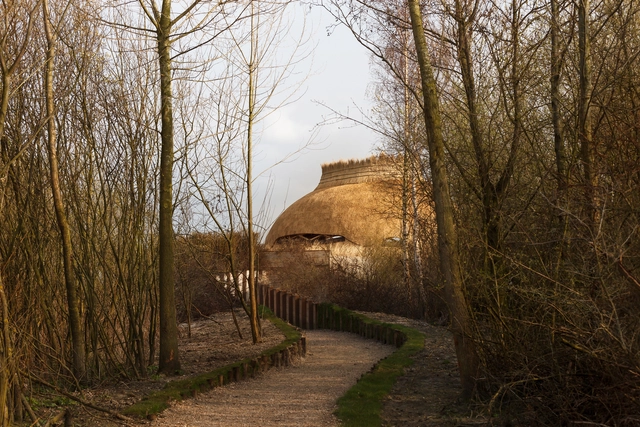
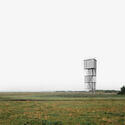
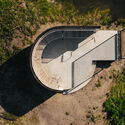
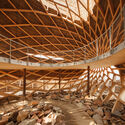
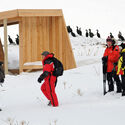
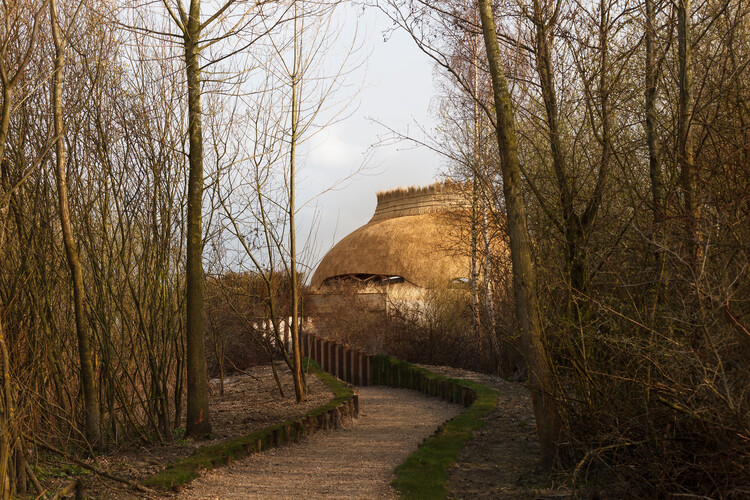
Around the world, a passionate community of bird watchers, from novice observers to seasoned ornithologists, is drawn to the subtle movements, distinct calls, and remarkable migrations of birds. This global fascination has led to the creation of thoughtfully designed spaces by architects and designers, enhancing the bird-watching experience while respecting the ecological landscapes in which they are placed.

Of a Feather: The Hidden Architecture of Bird Watching - Image 1 of 4Of a Feather: The Hidden Architecture of Bird Watching - Image 2 of 4Of a Feather: The Hidden Architecture of Bird Watching - Image 3 of 4Of a Feather: The Hidden Architecture of Bird Watching - Image 4 of 4Of a Feather: The Hidden Architecture of Bird Watching - More Images+ 25

Architecture as an Invitation to Explore: 25 Visitor Centers Around the World

Subscriber Access | 

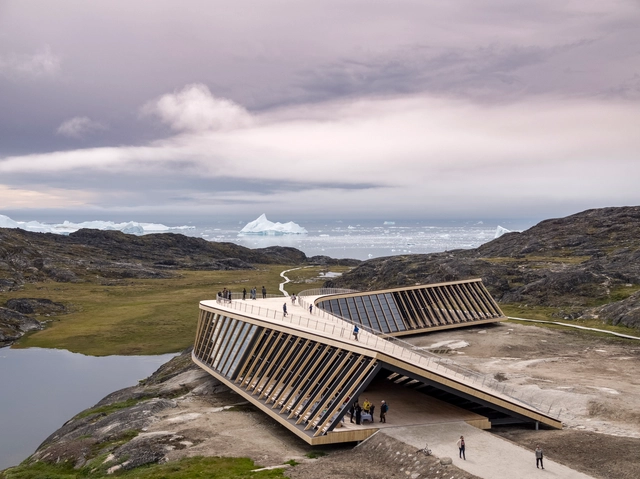
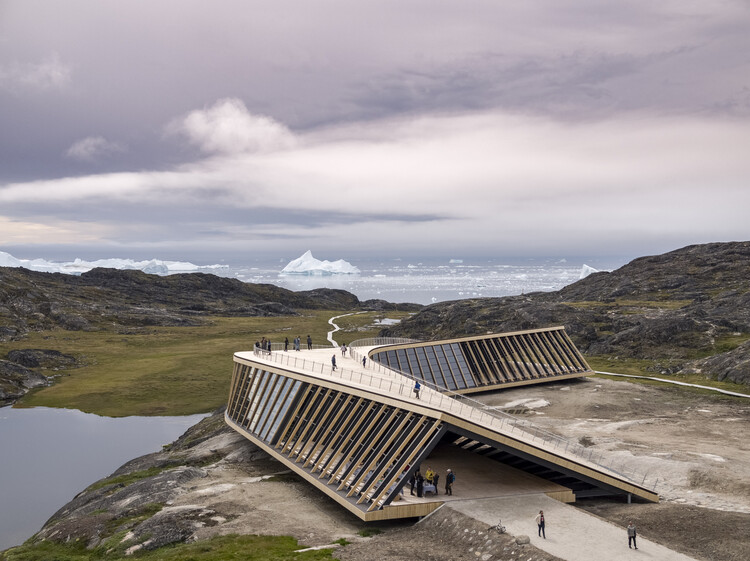
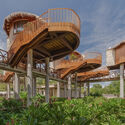
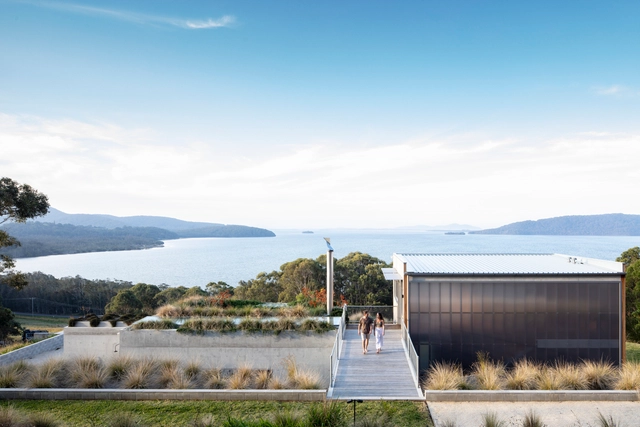
Destinations like ecological reserves, national parks, and historic sites rank among the most visited places worldwide. Motivated by different desires — from aesthetic appreciation to a longing for connection with nature — visitors are drawn to locations marked by historical importance, scenic beauty, or architectural significance. In this context, it becomes essential for the institutions responsible for preserving and managing these sites to adopt thoughtful mediation strategies — both in terms of communication and spatial design. One such strategy is the creation of visitor centers: architectural structures that not only receive guests but also educate and guide them. These buildings act as interfaces between the site and its audience, translating the ecological, historical, and cultural values of the place into architectural form.

Architecture as an Invitation to Explore: 25 Visitor Centers Around the World - Image 1 of 4Architecture as an Invitation to Explore: 25 Visitor Centers Around the World - Image 2 of 4Architecture as an Invitation to Explore: 25 Visitor Centers Around the World - Image 3 of 4Architecture as an Invitation to Explore: 25 Visitor Centers Around the World - Image 4 of 4Architecture as an Invitation to Explore: 25 Visitor Centers Around the World - More Images+ 23

Cabins in Spain: Small-Scale Accommodations in Natural Settings

Subscriber Access | 

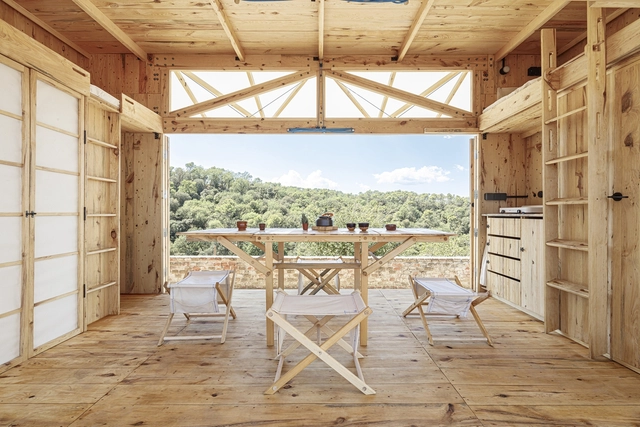
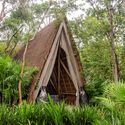
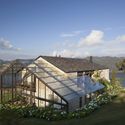
Amid coasts, rivers, lakes, and mountain ranges, Spain’s natural environment encompasses a wide variety of climates, topographies, and vegetation species. Aiming to raise global awareness of the impact of construction on the environment and the importance of addressing climate change through new ways of creating architecture, several architectural practices and research teams are exploring the design of cabins or small-scale lodging prototypes. While capable of integrating harmoniously with their surrounding natural context, they also demonstrate strategies for self-sufficiency, resource utilization, and space maximization, as well as broad applications of innovative technologies and material solutions adapted to each region.

Cabins in Spain: Small-Scale Accommodations in Natural Settings - Image 1 of 4Cabins in Spain: Small-Scale Accommodations in Natural Settings - Image 2 of 4Cabins in Spain: Small-Scale Accommodations in Natural Settings - Image 7 of 4Cabins in Spain: Small-Scale Accommodations in Natural Settings - Image 3 of 4Cabins in Spain: Small-Scale Accommodations in Natural Settings - More Images+ 5

Refuges in the Latin American Jungle: 7 Lodges to Connect With Nature

Subscriber Access | 

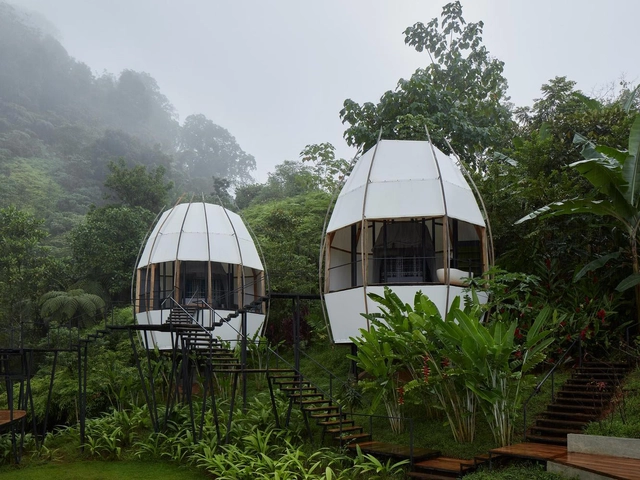
Many people living in large urban centers have, at some point, wished to trade the chaos of city life for the calm and tranquility of nature. As the desire for such experiences grows, Latin American countries' tourism and hospitality sectors have been investing in resorts nestled within forests. Inspired by eco-tourism, these retreats are designed to blend seamlessly into their surroundings, using local materials and traditional techniques that respect the ecosystem and promote sustainability.

Refuges in the Latin American Jungle: 7 Lodges to Connect With Nature - Image 1 of 4Refuges in the Latin American Jungle: 7 Lodges to Connect With Nature - Image 2 of 4Refuges in the Latin American Jungle: 7 Lodges to Connect With Nature - Image 3 of 4Refuges in the Latin American Jungle: 7 Lodges to Connect With Nature - Image 4 of 4Refuges in the Latin American Jungle: 7 Lodges to Connect With Nature - More Images+ 6

Architecture Reflected in Water: 20 Lakeside Homes

Subscriber Access | 

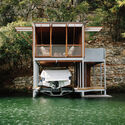
On the shores of serene lakes, where water reflects the harmony between architecture and nature, homes emerge as true retreats. Designed to offer comfort and a deep connection with the surroundings, these residences stand out worldwide for their diverse materials and scales, adapting to different landscapes and lifestyles. From remote wooden cabins to sophisticated concrete and glass mansions in urban areas, each project takes advantage of natural resources and the unique characteristics of its setting.

Architecture Reflected in Water: 20 Lakeside Homes - Image 1 of 4Architecture Reflected in Water: 20 Lakeside Homes - Image 2 of 4Architecture Reflected in Water: 20 Lakeside Homes - Image 3 of 4Architecture Reflected in Water: 20 Lakeside Homes - Image 4 of 4Architecture Reflected in Water: 20 Lakeside Homes - More Images+ 24

Snøhetta Reveals Design for a Mountain Refuge in France’s Pyrenees National Park

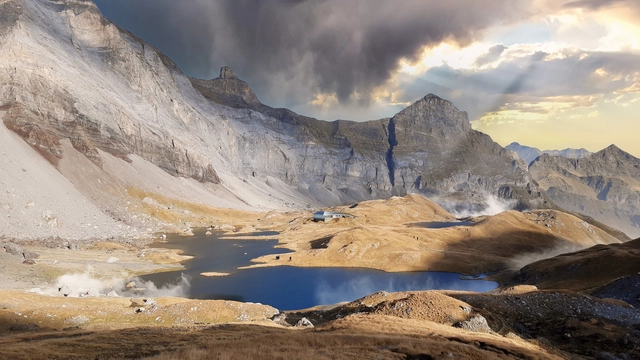
Snøhetta has announced a project to rebuild the Refuge de Barroude, a mountain refuge located in a UNESCO World Heritage site in the Pyrenees Mountain range of France. The old building, destroyed in an accidental fire ten years ago, is set to be revived as a stop-off point for hikers on the Haute Route des Pyrénées and as a support center for the staff of the National Park. The next phase of the project is due to begin in 2025.

Snøhetta Reveals Design for a Mountain Refuge in France’s Pyrenees National Park - Image 1 of 4Snøhetta Reveals Design for a Mountain Refuge in France’s Pyrenees National Park - Image 2 of 4Snøhetta Reveals Design for a Mountain Refuge in France’s Pyrenees National Park - Image 3 of 4Snøhetta Reveals Design for a Mountain Refuge in France’s Pyrenees National Park - Image 4 of 4Snøhetta Reveals Design for a Mountain Refuge in France’s Pyrenees National Park - More Images+ 6

Ennead Designs New Nature Reserve and Public Aquarium in China

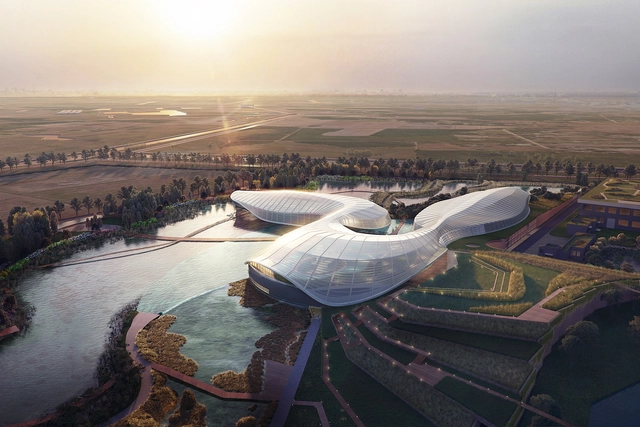
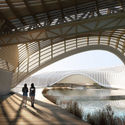
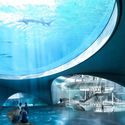
Ennead Architects has won the international design competition to design the new Shanghai Yangtze River Estuary Nature Preserve in China. Located on an island at the mouth of the Yangtze River, the design was made to raise public awareness around the impact of pollution and construction. The nature reserve aims to rescue critically endangered species and restore biodiversity while allowing visitors to immerse themselves in a natural setting outside the dense urban core of Shanghai.

Ennead Designs New Nature Reserve and Public Aquarium in China - Image 1 of 4Ennead Designs New Nature Reserve and Public Aquarium in China - Image 2 of 4Ennead Designs New Nature Reserve and Public Aquarium in China - Image 3 of 4Ennead Designs New Nature Reserve and Public Aquarium in China - Image 4 of 4Ennead Designs New Nature Reserve and Public Aquarium in China - More Images+ 10