1. ArchDaily
  2. 'neuro-typical' approach

'neuro-typical' approach: The Latest Architecture and News

How Can Public Space Be Designed for the Neurodiverse Community?

Subscriber Access | 

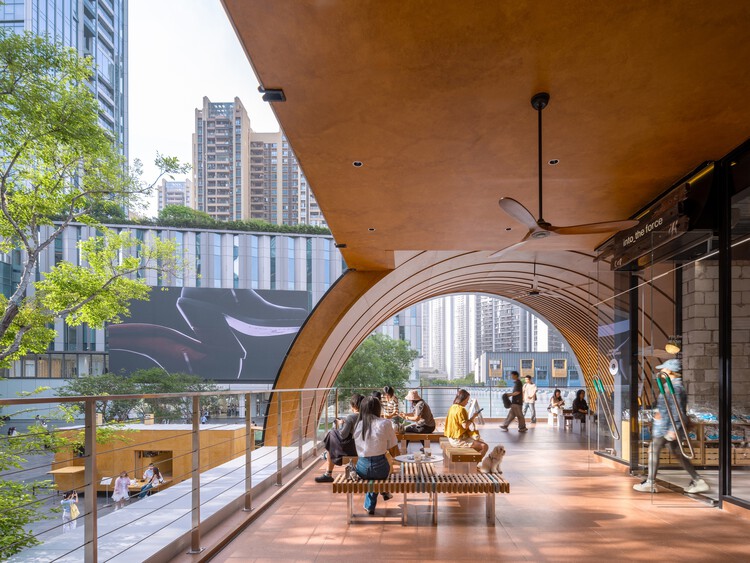
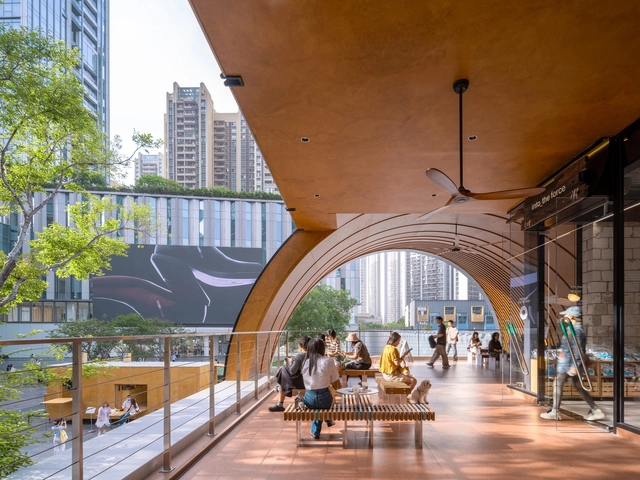
The noise of overlapping conversations, the flashing lights of a billboard, hurried footsteps on the sidewalk, and the constant hammering of a nearby construction site: public spaces are sometimes experienced as environments where stimuli accumulate and often overwhelm us. Each person perceives and responds to these sensory inputs differently, and recognizing neurodiversity means understanding that some individuals require more time to adapt, slower-paced journeys, or more gradual interactions with their surroundings. These encounters raise fundamental questions about contemporary public space: how can it accommodate the diversity of ways people perceive and inhabit it? How can we envision it as a space that embraces all ways of experiencing it?
How Can Public Space Be Designed for the Neurodiverse Community? - Image 1 of 4How Can Public Space Be Designed for the Neurodiverse Community? - Image 2 of 4How Can Public Space Be Designed for the Neurodiverse Community? - Image 3 of 4How Can Public Space Be Designed for the Neurodiverse Community? - Image 4 of 4How Can Public Space Be Designed for the Neurodiverse Community? - More Images+ 9

Designing for Autism: The 'Neuro-Typical' Approach

Subscriber Access | 
Designing for Autism: The 'Neuro-Typical' Approach - Image 10 of 4
USA Architects' design for the DLC © Donna Senopoulos

Similar to a mainstream school setting, Celebrate the Children, a school for children with autism, lines its hallways with colorful banners, photographs, and student artwork. Parents concerned with some of their children’s hypersensitivities often ask Monica Osgood, the school’s director, if there is too much stimulation. Monica responds that her students need to learn in ‘real’ world settings if they will ever have a chance to use their acquired skills outside of the classroom. This logic for replicating ‘neuro-typical’ environments, argues directly against the sensory sensitive approach, and, with reasons worth exploring. Individuals with autism often have very poor generalization skills. Therefore proponents of ‘neuro-typical’ simulated environments claim that sensory sensitive environments actually cause less, not more, universal access and integration into the larger population. Whether or not there is any truth to this claim is unknown. There are strong arguments for and against the ‘neuro-typical’ approach, but there are no definitive studies comparing the sensory sensitive approach to the ‘neuro-typical’ approach.