1. ArchDaily
  2. Niños y niñas

Niños y niñas: The Latest Architecture and News

A Natural Childhood: How Architecture Connects Landscape, Culture, and Play

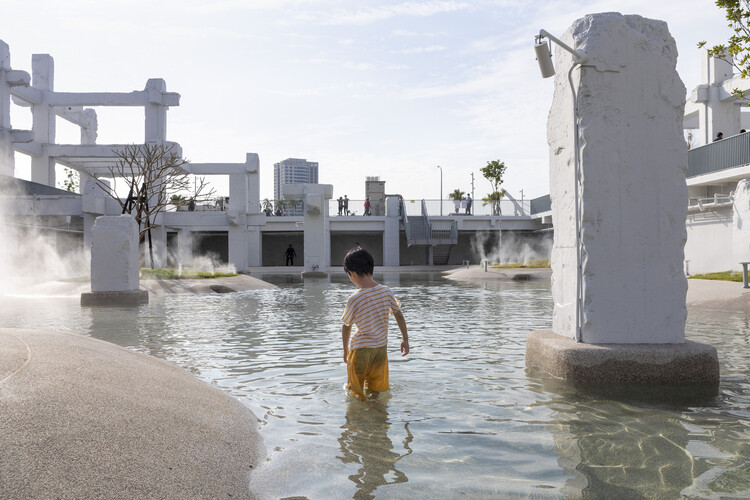
How do nature and landscape dialogue within spaces designed for children? How are architecture and urban design capable of shaping natural atmospheres that integrate practices of play, participation, and exploration? From participatory projects that involve children in the design process to built environments that incorporate furniture adapted to their needs, the conception of spaces for childhood entails the creation of places for encounter, learning, and coexistence. At times, these spaces are able to strengthen the relationships between interiors and exteriors, connecting their users with nature and the surrounding environment. Depending on their cultures, customs, and histories of attachment to place, several contemporary projects deploy tools and strategies that integrate architecture, nature, and pedagogy to form broad experiences of learning, play, and discovery.
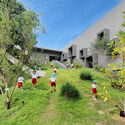

A Natural Childhood: How Architecture Connects Landscape, Culture, and Play - Image 1 of 4A Natural Childhood: How Architecture Connects Landscape, Culture, and Play - Image 2 of 4A Natural Childhood: How Architecture Connects Landscape, Culture, and Play - Image 3 of 4A Natural Childhood: How Architecture Connects Landscape, Culture, and Play - Image 4 of 4A Natural Childhood: How Architecture Connects Landscape, Culture, and Play - More Images+ 21

Libraries for Children: Dynamism, Flexibility, and Adaptability in Interiors

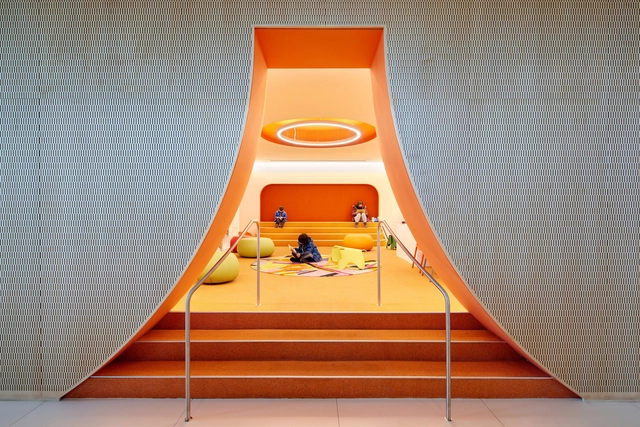
What is the vision for a 21st-century library? How can architecture professionals foster the interest of new and future generations in reading? Globally, the rapid growth of communication technologies, along with the increase in available information and the constant need to update knowledge, brings with it new educational approaches, cultural practices, and community activities that involve the creation of more dynamic spaces capable of adapting to different functions simultaneously. The connection with play, the integration of other uses, or even the incorporation of new technologies typically play a central role in the interiors of contemporary libraries designed for a young audience.

Libraries for Children: Dynamism, Flexibility, and Adaptability in Interiors - Image 1 of 4Libraries for Children: Dynamism, Flexibility, and Adaptability in Interiors - Image 2 of 4Libraries for Children: Dynamism, Flexibility, and Adaptability in Interiors - Image 3 of 4Libraries for Children: Dynamism, Flexibility, and Adaptability in Interiors - Image 4 of 4Libraries for Children: Dynamism, Flexibility, and Adaptability in Interiors - More Images+ 25