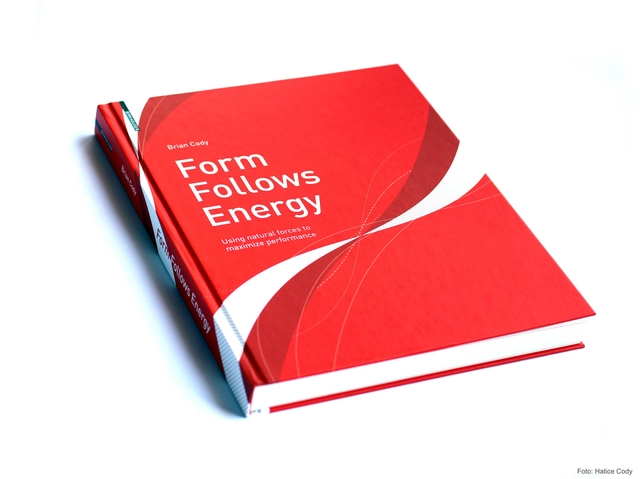
Architecture is energy. Lines drawn on paper to represent architectural intentions also imply decades and sometimes centuries of associated energy and material flows. “Form Follows Energy” is about the relationship between energy and the form of our built environment. It examines the optimisation of energy flows in building and urban design and the implications for form and configuration. It speaks to both architectural and engineering audiences and offers for the first time a truly interdisciplinary overview on the subject, explaining the complex relationships between energy and architecture in an easy to follow manner and using simple diagrams to show how energy design strategies can be used to maximize the energy performance of our built environment, while at the same time leading to new aesthetic qualities and radically new forms in architecture and urban design. After building an understanding of the physical laws of nature underlying energy use in buildings and urban design in the initial chapters, ways and means of allowing the consideration, analysis and manipulation of natural forces in the field of design in the built environment are explored. Strategies for maximizing energy performance in the design and construction of buildings and cities are then expanded upon. The text is illustrated with many examples from research and practice, in which Brian Cody draws on 30 years of experience as an engineer and university professor. His designs have been developed in collaboration with many well-known international architectural firms, including Coop Himmelb(l)au, OMA, DMAA, David Chipperfield, MVRDV and Zaha Hadid.