1. ArchDaily
  2. Peterson Rich Architects

Peterson Rich Architects: The Latest Architecture and News

Peterson Rich Office Designs Permanent Galleries for Brooklyn Museum’s African Art Collection

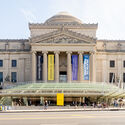
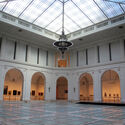
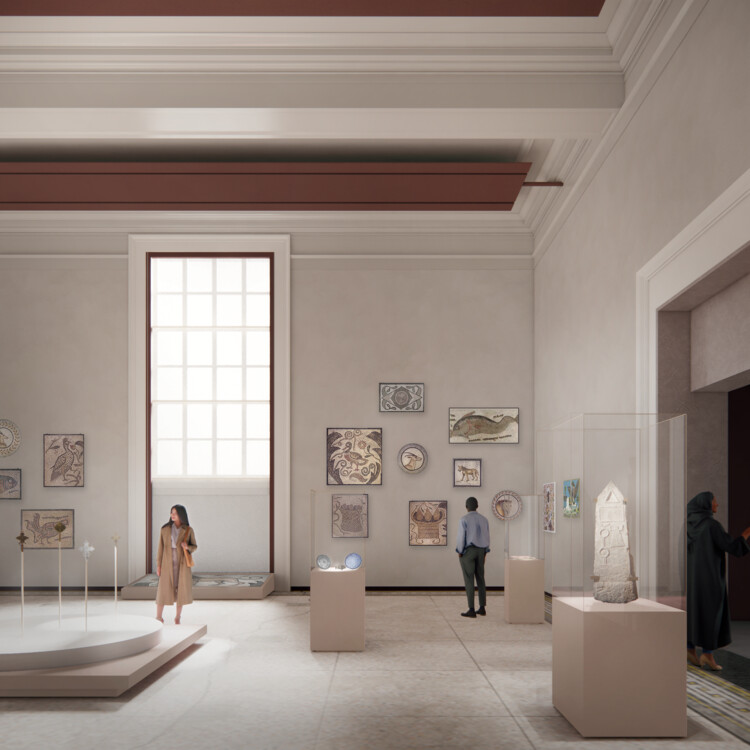
New York's Brooklyn Museum has announced the extension of its neoclassical building, a New York City–designated landmark, to include new galleries dedicated to its historic African art collection. The project to renovate and create permanent galleries was designed by the Brooklyn-based architectural firm Peterson Rich Office (PRO), with prior experience in contemporary exhibition spaces, in consultation with Beyer Blinder Belle Architects & Planners on the museum's historic preservation. The project transforms previously underutilized spaces that served as on-site storage, marking a new milestone in a series of renovations of an institution with over 200 years of history. For the first time, the museum's Egyptian art galleries will connect to the new African galleries, uniting North Africa with the rest of the continent to offer visitors a cohesive vision of Africa's rich artistic legacy.
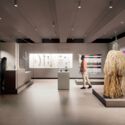

Peterson Rich Office Designs Permanent Galleries for Brooklyn Museum’s African Art Collection - Image 1 of 4Peterson Rich Office Designs Permanent Galleries for Brooklyn Museum’s African Art Collection - Image 2 of 4Peterson Rich Office Designs Permanent Galleries for Brooklyn Museum’s African Art Collection - Image 3 of 4Peterson Rich Office Designs Permanent Galleries for Brooklyn Museum’s African Art Collection - Image 4 of 4Peterson Rich Office Designs Permanent Galleries for Brooklyn Museum’s African Art Collection - More Images

Architectural Salvage: Cultural Hotspots using Adaptive Reuse

Subscriber Access | 

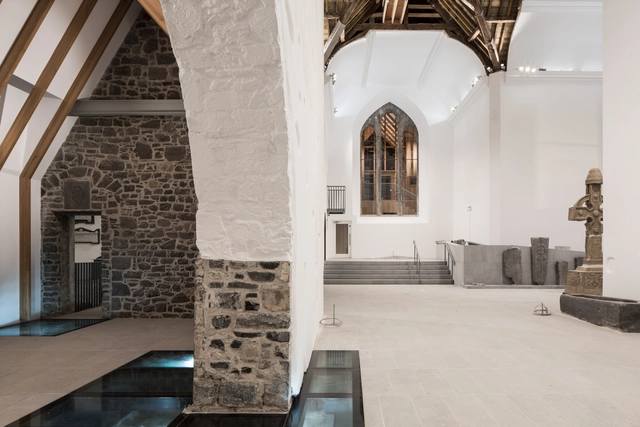
The dawn of the Anthropocene has thrown the idea of adaptive reuse into the limelight: effectively the pinnacle of urban regeneration and revitalization. It utilizes the presence of existing buildings with historic and cultural value and re-purposes them to be functional. Essentially a form of architectural salvage; a sustainable and viable means of rebuilding.

Recent events such as the pandemic has highlighted inequalities in our cityscape, the inadequate segments in a state of disuse and disrepair. Adaptive reuse can replenish these areas and create new cultural hotspots, encouraging activity and creating vibrant and healthy mixed-use environments.

Below is a diverse selection of cultural hotspots using Adaptive Reuse

Architectural Salvage: Cultural Hotspots using Adaptive Reuse  - Image 1 of 4Architectural Salvage: Cultural Hotspots using Adaptive Reuse  - Image 2 of 4Architectural Salvage: Cultural Hotspots using Adaptive Reuse  - Image 3 of 4Architectural Salvage: Cultural Hotspots using Adaptive Reuse  - Image 4 of 4Architectural Salvage: Cultural Hotspots using Adaptive Reuse  - More Images+ 10