1. ArchDaily
  2. Plantas

Plantas: The Latest Architecture and News

Symmetry in Architecture: 15 Contemporary Collective Housing Units in Latin America

Subscriber Access | 

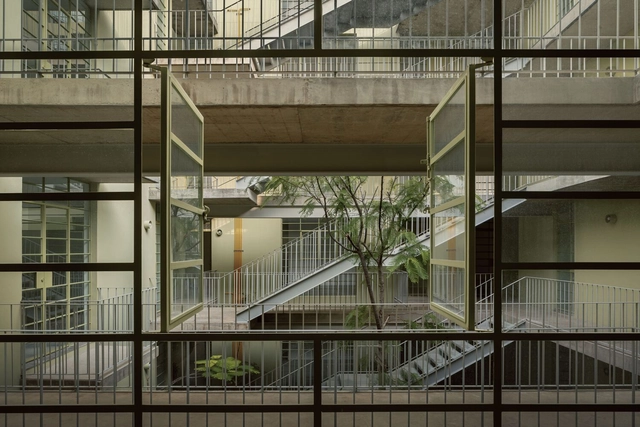
What is symmetry in architecture? Why is it used to design spaces? What advantages and disadvantages does it present compared to other projection tools such as rotation, translation, and/or repetition? Contemporary architecture evolves day by day by implementing different strategies to create habitable spaces where people can carry out their daily activities, meet their needs, and more. Considering symmetry as a possible means of organization, distribution, and movement in the plane, architecture expresses and communicates largely through graphic means (floor plans, volumes, photographs, etc.) in a relationship that seeks coexistence, in most cases, of spaces, proportions, and scales in harmony.

Symmetry in Architecture: 15 Contemporary Collective Housing Units in Latin America - Image 1 of 4Symmetry in Architecture: 15 Contemporary Collective Housing Units in Latin America - Image 2 of 4Symmetry in Architecture: 15 Contemporary Collective Housing Units in Latin America - Image 3 of 4Symmetry in Architecture: 15 Contemporary Collective Housing Units in Latin America - Image 4 of 4Symmetry in Architecture: 15 Contemporary Collective Housing Units in Latin America - More Images+ 27

Designing for Plants: The Architecture of Greenhouses and Their Relationship with the Environment

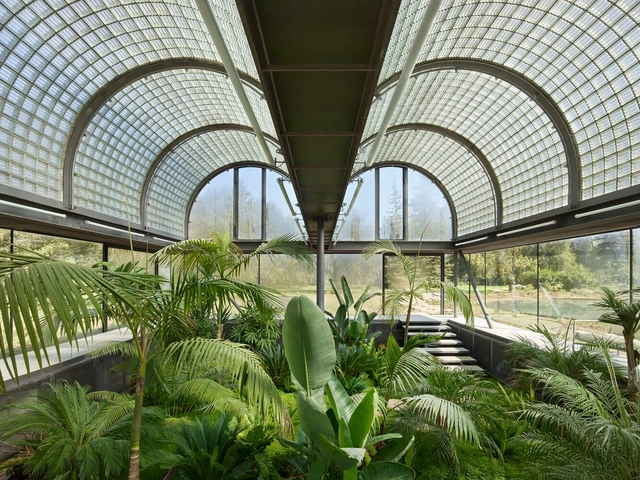
When delving into the envelope of construction and examining how the interior relates to the exterior, the concept of greenhouses emerges as an opportunity to cultivate life indoors, whether dependent on external factors or not. Defined as spaces enclosed by glass or other transparent plastic materials, greenhouses facilitate the growth of vegetables and ornamental plants even during periods of adverse external weather conditions. However, what does designing for plants involve? Climate, species, structural design, and the type of covering are just a few of the considerations to take into account.

Apartments in Spain: 20 Examples with less than 100 m2

Subscriber Access | 

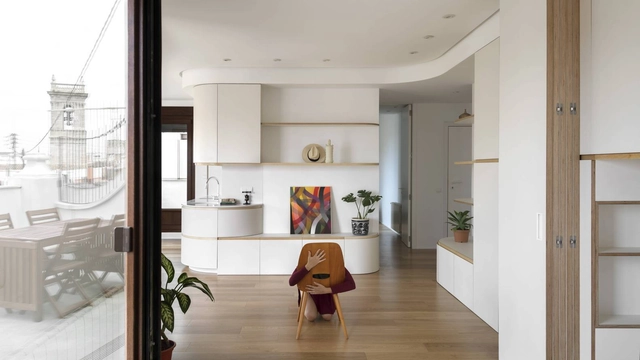
How to design livable spaces, making the most of the available square meters? Currently, the design of housing in major urban centers is often linked to finding ways to optimize interior spaces, integrate environments for better lighting and ventilation, and establish a connection with the outdoors. According to the needs of its inhabitants, project requirements, and often construction costs, architecture professionals seek to provide flexibility, spaciousness, and adaptability to spaces through renovations, transformations, and more, which provide good living conditions and consider the possible changes that future generations may have to face.