1. ArchDaily
  2. Playful Elements

Playful Elements: The Latest Architecture and News

Environments of Curiosity: Translating Pedagogy into Architectural Form in Montessori, Waldorf, and Beyond

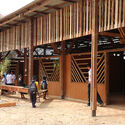
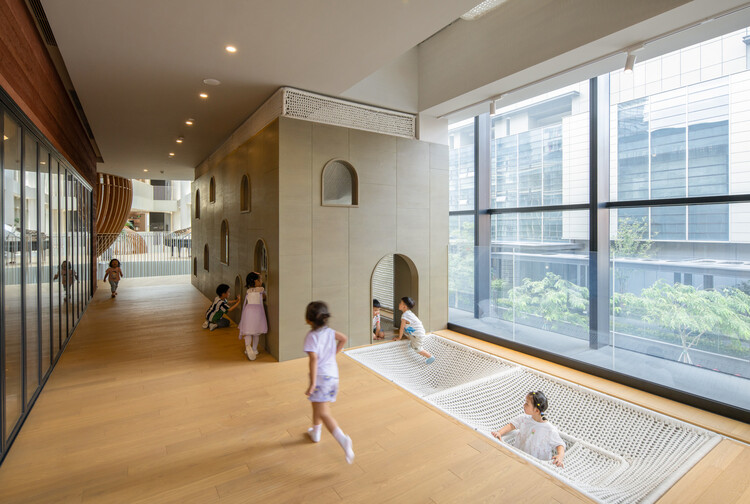
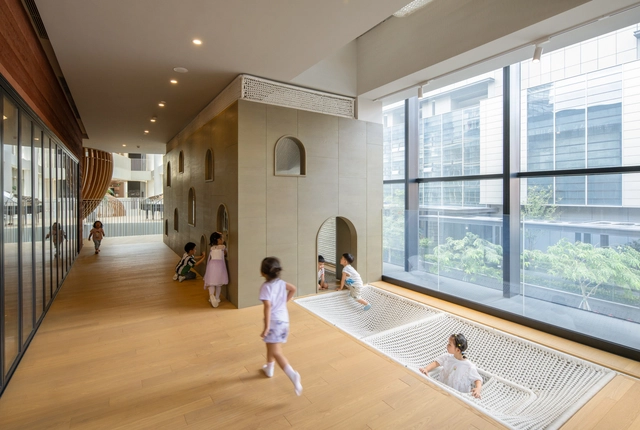
Children encounter space differently from adults. For them, the world is not yet rationalized into function and circulation but is experienced through emotion and curiosity. Where adults may navigate rooms through habit, children inhabit them through immediacy. A patch of sunlight becomes an event. The curve of a hallway invites wandering. The sound of footsteps on wood or the softness of fabric beneath fingertips is not background but information. What adults may dismiss as peripheral moments quietly mediates their sense of safety, autonomy, belonging, and possibility. Architecture is an opportunity for pedagogy to become physical.

Environments of Curiosity: Translating Pedagogy into Architectural Form in Montessori, Waldorf, and Beyond - Image 1 of 4Environments of Curiosity: Translating Pedagogy into Architectural Form in Montessori, Waldorf, and Beyond - Image 2 of 4Environments of Curiosity: Translating Pedagogy into Architectural Form in Montessori, Waldorf, and Beyond - Image 3 of 4Environments of Curiosity: Translating Pedagogy into Architectural Form in Montessori, Waldorf, and Beyond - Image 4 of 4Environments of Curiosity: Translating Pedagogy into Architectural Form in Montessori, Waldorf, and Beyond - More Images+ 45

Urban Revitalization Through Motion: 9 Public Swings That Invite Play

Subscriber Access | 

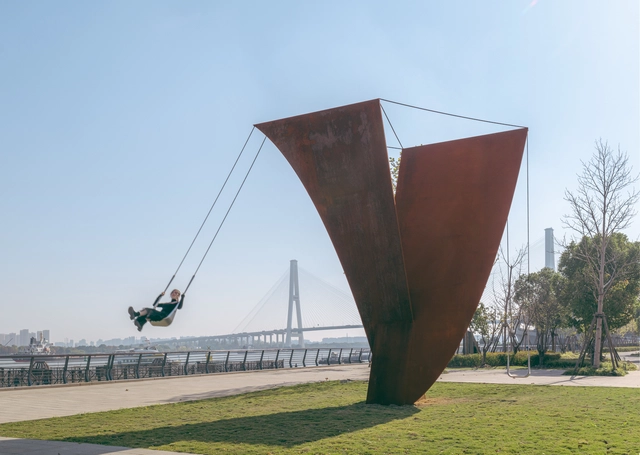
In the productivity-driven dynamics of contemporary cities, playful interventions in public spaces offer an innovative way to reclaim urban environments. These interventions encourage new ways of thinking and acting, temporarily breaking the monotony of everyday life and redefining the concept of play. Once confined to childhood and separate from daily activities, play has begun to intertwine with routine paths, becoming an integral part of urban life even outside traditional leisure times. In this way, reintroducing the swing—the most iconic children's toy—becomes particularly significant. As a symbol of childhood, pleasure, and joy, the swing contrasts sharply with the rigid appropriations of most public spaces, inviting a more relaxed and playful engagement with the urban environment. On June 11th, the UN International Day of Play reminds us of the benefits of incorporating diverse activities into urban spaces, for both children and adults, fostering community, creativity, and well-being.

Urban Revitalization Through Motion: 9 Public Swings That Invite Play - Image 1 of 4Urban Revitalization Through Motion: 9 Public Swings That Invite Play - Image 2 of 4Urban Revitalization Through Motion: 9 Public Swings That Invite Play - Image 3 of 4Urban Revitalization Through Motion: 9 Public Swings That Invite Play - Image 4 of 4Urban Revitalization Through Motion: 9 Public Swings That Invite Play - More Images+ 8

Using Ludic Elements in Interior Design

Subscriber Access | 

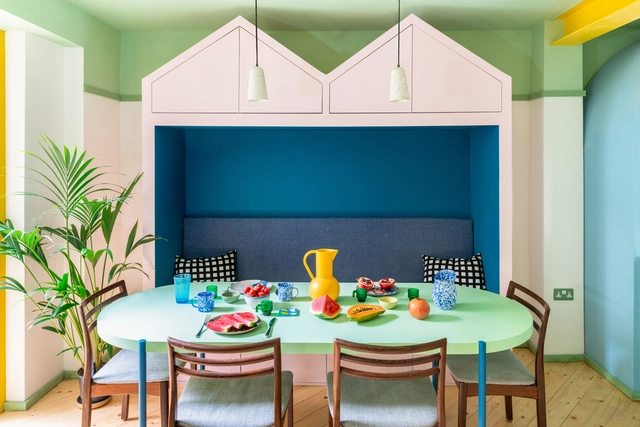
Playfulness is a concept often attributed to children and hardly connected with adult life. In architecture, projects dedicated to childhood propose a combination of objects, colors and solutions to encourage imagination and break the rigidity of spaces. In contrast, most conventional projects are limited to regularity and stamp the sobriety of adult life.

Using Ludic Elements in Interior Design - Image 1 of 4Using Ludic Elements in Interior Design - Image 2 of 4Using Ludic Elements in Interior Design - Image 3 of 4Using Ludic Elements in Interior Design - Image 4 of 4Using Ludic Elements in Interior Design - More Images+ 11