1. ArchDaily
  2. Post-War America

Post-War America: The Latest Architecture and News

The Lawn as Battleground: How Domestic Landscaping Became a Symbol of American Identity

The almost cliché image of the white picket fence has become synonymous with the ideals of the American Dream. Behind the fence, there is invariably a perfectly manicured lawn, a green carpet upon which life can unfold. This image and its associations are not, however, accidental. In her book, "Domesticity at War", Beatriz Colomina notices that, since the Second World War, the lawn has taken a central space in the imagination of the country, becoming first a in order to make space for diversity, both social and ecological. symbol of the stability of the homes soldiers were hoping to return to, offering a space where those at home could still perform duties for the nation, and, after the war, propagating the image of an idealized lifestyle, one maintained with hard work and dedication. In recent years, the lawn has emerged once again as a site of conflict, this time between those hoping to preserve this idealized image, and those seeking to break the uniformity in order to make space for diversity, both social and ecological.


The Lawn as Battleground: How Domestic Landscaping Became a Symbol of American Identity - Image 1 of 4The Lawn as Battleground: How Domestic Landscaping Became a Symbol of American Identity - Image 2 of 4The Lawn as Battleground: How Domestic Landscaping Became a Symbol of American Identity - Image 3 of 4The Lawn as Battleground: How Domestic Landscaping Became a Symbol of American Identity - Image 4 of 4The Lawn as Battleground: How Domestic Landscaping Became a Symbol of American Identity - More Images+ 9

Ezra Stoller: Beyond Architecture

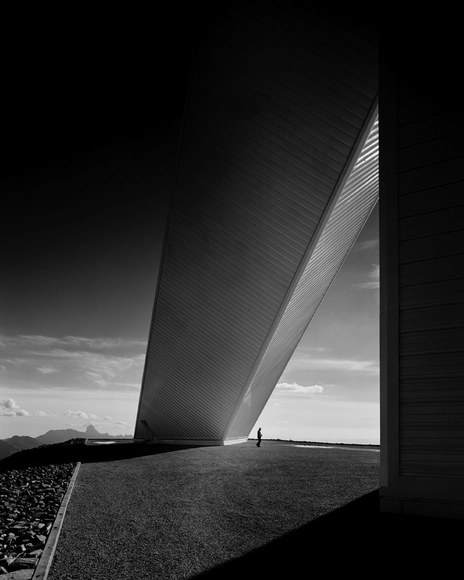
Now on view at the Yossi Milo Gallery through March 2, rarely-seen images by modernist architectural photographer Ezra Stroller (American, 1915-2004) captures a Post-War American landscape with stunning images of industry, technology, transportation and working class Americans. 

Beyond Architecture covers the full range of Stoller’s work, including photographs commissioned by Fortune, Architectural Forum, and House Beautiful magazines in the 1940s and for commercial projects for IBM, Upjohn Pharmaceuticals and CBS in the 1940s and 1950s. Included are photographs of Skidmore, Owings & Merrill’s John Hancock Building, Chicago, and the United Nations Headquarters, designed by an international team of architects led by Wallace K. Harrison and including Oscar Niemeyer and Le Corbusier.

A selection of these images after the break...