1. ArchDaily
  2. Public policies

Public policies: The Latest Architecture and News

Housing Affordability Drives New Limits on Short-Term Rentals Across European Cities

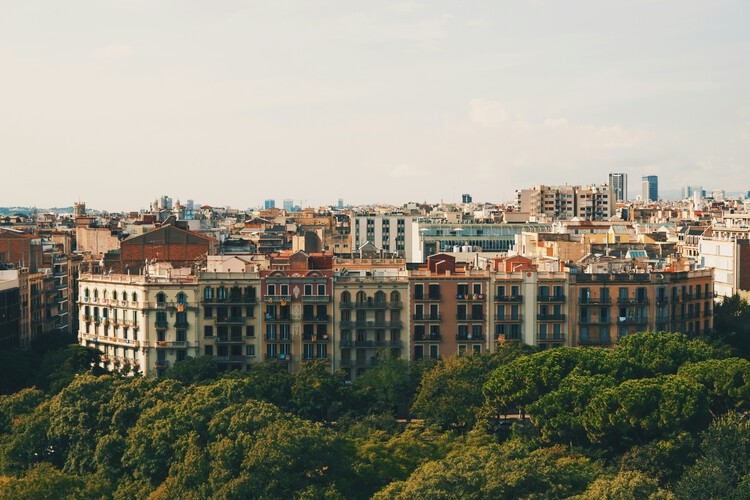
Across Europe's major tourist cities, housing affordability has increasingly emerged as one of the most pressing urban challenges, prompting governments to reassess the role of short-term rentals within residential neighborhoods. In Barcelona, Mayor Jaume Collboni recently announced plans to phase out tourist short-term rentals entirely by 2028, framing the decision as part of a broader effort to protect residents' right to remain in the city. The announcement coincides with a €64 million fine imposed by the Spanish government on Airbnb for advertising unlicensed properties, placing Spain at the center of an intensifying debate over how tourism-driven accommodation models intersect with housing access, inequality, and urban stability.
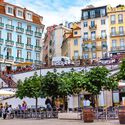

Housing Affordability Drives New Limits on Short-Term Rentals Across European Cities - Image 1 of 4Housing Affordability Drives New Limits on Short-Term Rentals Across European Cities - Image 2 of 4Housing Affordability Drives New Limits on Short-Term Rentals Across European Cities - Image 3 of 4Housing Affordability Drives New Limits on Short-Term Rentals Across European Cities - Image 4 of 4Housing Affordability Drives New Limits on Short-Term Rentals Across European Cities - More Images+ 1

From High-Tech Icons to Social Housing: The Evolving Role of Prefabrication

Subscriber Access | 

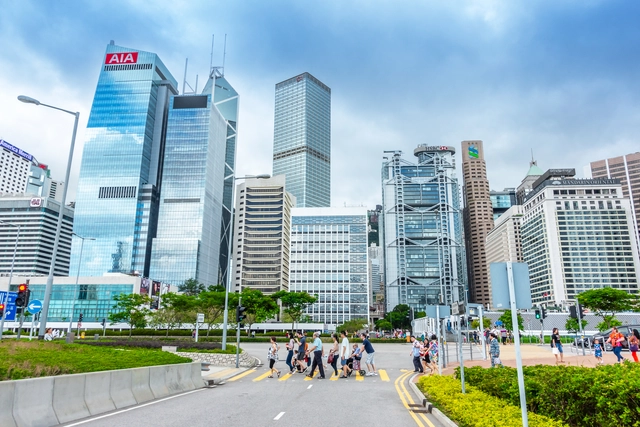
Prefabrication is one of the most transformative innovations in architecture and construction, redefining how buildings are designed, manufactured, and assembled. While not a new concept, its application has evolved to offer a broader range of advantages. Traditionally valued for its precision and quality, prefabrication is now equally recognized for its cost and time efficiencies, particularly in leveraging regional differences in labor and production. This shift has fueled its resurgence across high-end, design-driven projects and large-scale, cost-efficient public buildings.

From High-Tech Icons to Social Housing: The Evolving Role of Prefabrication - Image 1 of 4From High-Tech Icons to Social Housing: The Evolving Role of Prefabrication - Image 2 of 4From High-Tech Icons to Social Housing: The Evolving Role of Prefabrication - Image 3 of 4From High-Tech Icons to Social Housing: The Evolving Role of Prefabrication - Image 4 of 4From High-Tech Icons to Social Housing: The Evolving Role of Prefabrication - More Images+ 9

Notre Dame de Paris Announces Reopening Date and Proposes Constroversial Entrance Fee

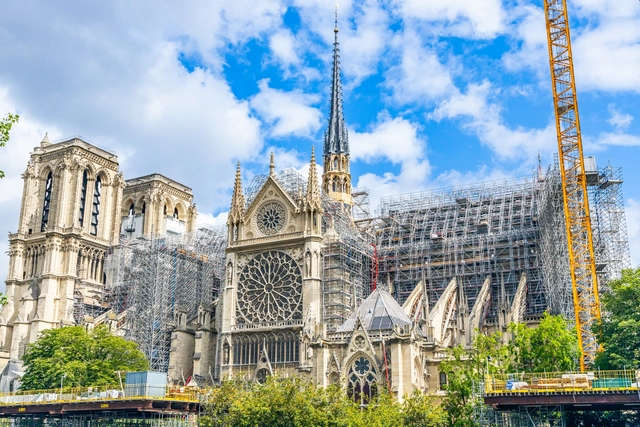
Over 5 years after a devastating fire threatened to destroy Paris' most famous cathedral, Notre Dame is scheduled to reopen to the public on December 8, 2024. The heritage building has been undergoing an extensive and, at times, controversial restoration process aiming to rebuild its timber roof and reconstruct the collapsed spire, a 19th-century addition to the gothic cathedral designed by French architect Eugène Viollet-le-Duc's design. In preparation for the grand reopening, France's culture minister, Rachida Dati, has proposed introducing a €5 entrance fee to contribute to a fund aimed at protecting the country's historical churches and monuments.

Notre Dame de Paris Announces Reopening Date and Proposes Constroversial Entrance Fee - Image 1 of 4Notre Dame de Paris Announces Reopening Date and Proposes Constroversial Entrance Fee - Image 2 of 4Notre Dame de Paris Announces Reopening Date and Proposes Constroversial Entrance Fee - Image 3 of 4Notre Dame de Paris Announces Reopening Date and Proposes Constroversial Entrance Fee - Image 4 of 4Notre Dame de Paris Announces Reopening Date and Proposes Constroversial Entrance Fee - More Images

Floods in Rio Grande do Sul: The Tragedy of Non-Resilient Cities

Subscriber Access | 

The world has changed, and accepting this fact is no longer a matter of choice but survival. Our rainfall patterns, periods of drought, average temperatures, sea levels—everything is in constant flux. The denialist stance of many countries, including Brazil, has led to catastrophic situations like the one we are facing now.

The floods that devastated the southern region of the country in recent days cannot be considered isolated incidents. Due to global warming, climate events like this will become increasingly frequent. In other words, unfortunately, we cannot prevent them from happening, but we can—and must—make our cities more resilient to these situations.

Floods in Rio Grande do Sul: The Tragedy of Non-Resilient Cities - Image 1 of 4Floods in Rio Grande do Sul: The Tragedy of Non-Resilient Cities - Image 2 of 4Floods in Rio Grande do Sul: The Tragedy of Non-Resilient Cities - Image 3 of 4Floods in Rio Grande do Sul: The Tragedy of Non-Resilient Cities - Image 4 of 4Floods in Rio Grande do Sul: The Tragedy of Non-Resilient Cities - More Images+ 11

Gross National Happiness as Public Policy: The Case of Bhutan

Subscriber Access | 

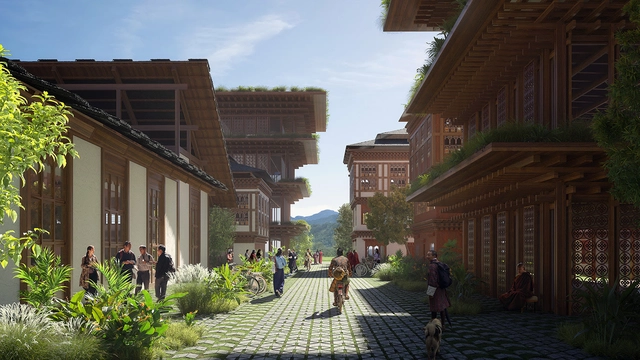
Recently, the renowned Danish office BIG announced the launch of its project for the city of Gelephu in Bhutan. This masterplan is inspired by the country's culture and its principles of happiness. The "Mindfulness City" aims to offer numerous possibilities for public engagement, fostering investments in infrastructure, education, and sustainable technologies—all aligned with the precepts of Gross National Happiness (GNH).