1. ArchDaily
  2. Rajasthan

Rajasthan: The Latest Architecture and News

Circular by Tradition: India’s Vernacular Building Practices for a Warming World

Across India's varied geographies, from coastal backwaters to desert fortress cities, architecture evolved with a deep, instinctive connection to climate. These were not isolated craft traditions but complete ecological systems in which material cycles, thermal comfort, and community knowledge were interdependent. As COP30 turns global attention toward the links between heritage and climate resilience, India's vernacular practices appear less as historical artifacts and more as climate technologies refined over centuries.

India's timber, lime, mud, and bamboo building traditions all share a common thread: they relied on local materials, passive cooling, and construction systems designed to be repaired, renewed, and reused. In an era dominated by cement, steel, and demolition-driven redevelopment, these earlier material cultures demonstrate a quiet circularity that feels radical again.

Circular by Tradition: India’s Vernacular Building Practices for a Warming World - Image 3 of 4Circular by Tradition: India’s Vernacular Building Practices for a Warming World - Image 5 of 4Circular by Tradition: India’s Vernacular Building Practices for a Warming World - Image 4 of 4Circular by Tradition: India’s Vernacular Building Practices for a Warming World - Image 1 of 4Circular by Tradition: India’s Vernacular Building Practices for a Warming World - More Images+ 4

Water Harvesting: The Ancient Typologies That Sustain Us

Subscriber Access | 

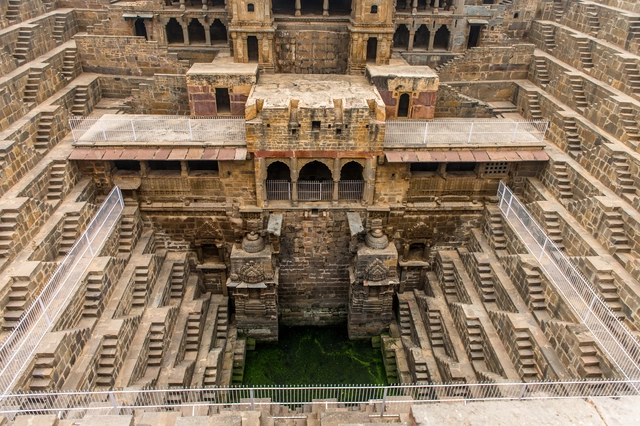
The 22nd of March 2022 saw the twenty-ninth commemoration of World Water Day – as a worldwide water crisis continues to leave populations vulnerable. It is an extremely multi-faceted issue. Governance sadly determines water accessibility, with marginalized people disproportionally affected. Urban typologies are another factor. The over-pumping of groundwater sources to meet the water demands of Hanoi, for instance, has resulted in arsenic being drawn into Vietnam’s village wells.

Water Harvesting: The Ancient Typologies That Sustain Us - Image 1 of 4Water Harvesting: The Ancient Typologies That Sustain Us - Image 2 of 4Water Harvesting: The Ancient Typologies That Sustain Us - Image 3 of 4Water Harvesting: The Ancient Typologies That Sustain Us - Image 4 of 4Water Harvesting: The Ancient Typologies That Sustain Us - More Images+ 5

Studio Lotus Designs New Visitor and Knowledge Center in India

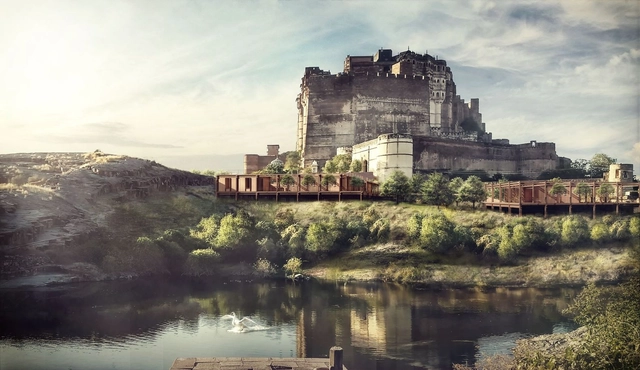
Delhi-based design practice Studio Lotus have won the competition to design the new Visitor Center and Knowledge Centre at the Mehrangarh Fort in Jodhpur, India. The design features metal and stone dry construction that explores flexibility and modularity to meet evolving needs. Selected from three finalists, the winning entry attempts to create an architectural system for the next phase of interventions in the Fort through new linkages in the precinct.

Studio Lotus Designs New Visitor and Knowledge Center in India - Image 1 of 4Studio Lotus Designs New Visitor and Knowledge Center in India - Image 2 of 4Studio Lotus Designs New Visitor and Knowledge Center in India - Image 3 of 4Studio Lotus Designs New Visitor and Knowledge Center in India - Image 4 of 4Studio Lotus Designs New Visitor and Knowledge Center in India - More Images+ 2