1. ArchDaily
  2. Raumplan

Raumplan: The Latest Architecture and News

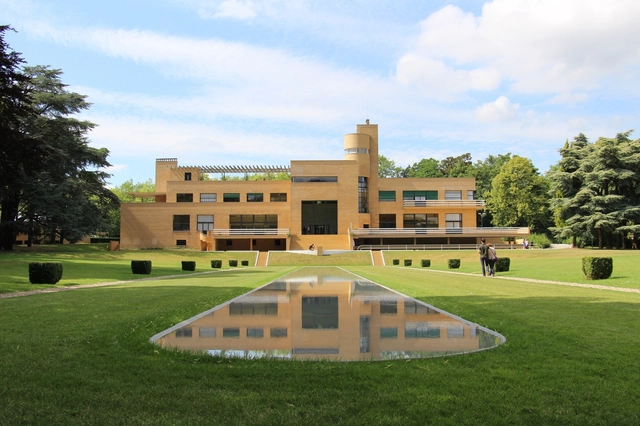
Villa Cravois: A Timeless Dialogue Between Modernism and Artistic Expression

Subscriber Access | 

The Villa Cavrois stands as a powerful testament to early modernist architecture and the vision of architect Robert Mallet-Stevens. Built between 1929 and 1932 in Croix, France, this landmark residence was commissioned by Paul Cavrois, a prominent textile industrialist, to embody modern values and house his growing family. Mallet-Stevens' design merges Modernist ideals with a luxurious, functional aesthetic that breaks sharply from traditional styles, creating a space defined by clean lines, balanced proportions, and innovative materials.

More than just a family home, Villa Cavrois was designed as an architectural manifesto, presenting bold new ideas in residential design that would inspire generations. Its meticulously crafted layout, advanced technological features, and harmonious connection to the surrounding landscape positioned it as a symbol of modern living.

Villa Cravois: A Timeless Dialogue Between Modernism and Artistic Expression - Image 1 of 4Villa Cravois: A Timeless Dialogue Between Modernism and Artistic Expression - Image 2 of 4Villa Cravois: A Timeless Dialogue Between Modernism and Artistic Expression - Image 3 of 4Villa Cravois: A Timeless Dialogue Between Modernism and Artistic Expression - Image 4 of 4Villa Cravois: A Timeless Dialogue Between Modernism and Artistic Expression - More Images+ 23

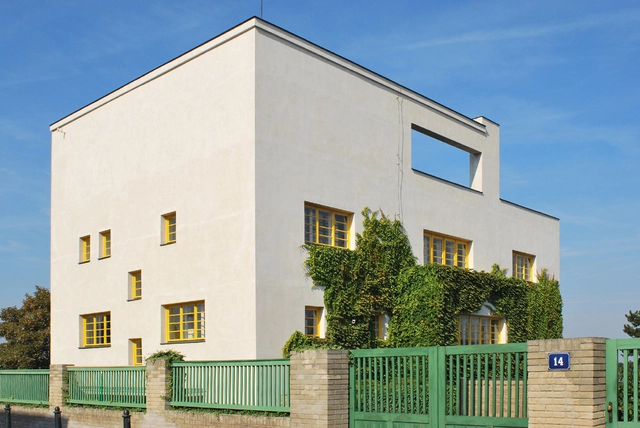
Adolf Loos and the Beginnings of European Modernism

Subscriber Access | 

Throughout history, architectural styles, have experienced numerous movements throughout time, giving us various expressions of interior and exterior spaces. These movements are often created out of dissatisfaction with the status quo, shifts in religious ideologies, or the emergence of new building technology. Perhaps one of the most famous instances in history was the precedent set by Adolf Loos and his desire to break away from Viennese tradition with his strong dissent of ornament in architecture in favor of simplicity, and his literary discourse that lay the cornerstone for the modernist movement in architecture.