1. ArchDaily
  2. raumus

raumus: The Latest Architecture and News

From Tradition to Modern Living: The Versatility and Elegance of Timber in 12 Japanese Interiors

Subscriber Access | 

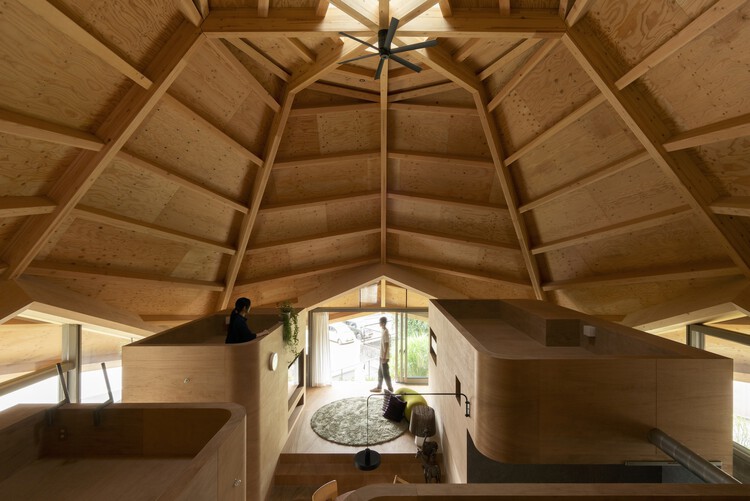
Contemporary Japanese architecture continues to demonstrate how to adapt the evolving needs of modern residents to a rich building tradition and artisanal legacy. Wood has always been the soul of Japanese architecture. In many recent residential projects, this material transcends its structural role to become the primary finish for various surfaces — ranging from floors and ceilings to furniture and architectural elements. These environments strike a delicate balance between elegance and coziness.

The use of natural, unpainted finishes highlights the material's inherent honesty while also celebrating the unique character of each piece, its natural grain, and the diversity of the overall composition. While some houses feature sober, dark-stained timbers to create a grounded atmosphere, others utilize lighter woods like pine to foster a bright, airy, and ethereal feel. This versatility proves that wood can adapt to any aesthetic, from the rustic to the ultra-minimalist.
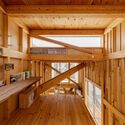
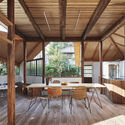
From Tradition to Modern Living: The Versatility and Elegance of Timber in 12 Japanese Interiors - Image 1 of 4From Tradition to Modern Living: The Versatility and Elegance of Timber in 12 Japanese Interiors - Image 2 of 4From Tradition to Modern Living: The Versatility and Elegance of Timber in 12 Japanese Interiors - Image 3 of 4From Tradition to Modern Living: The Versatility and Elegance of Timber in 12 Japanese Interiors - Image 4 of 4From Tradition to Modern Living: The Versatility and Elegance of Timber in 12 Japanese Interiors - More Images+ 9

Old Homes, New Stories: 11 Traditional Japanese Homes Renovated for Modern Living

Subscriber Access | 

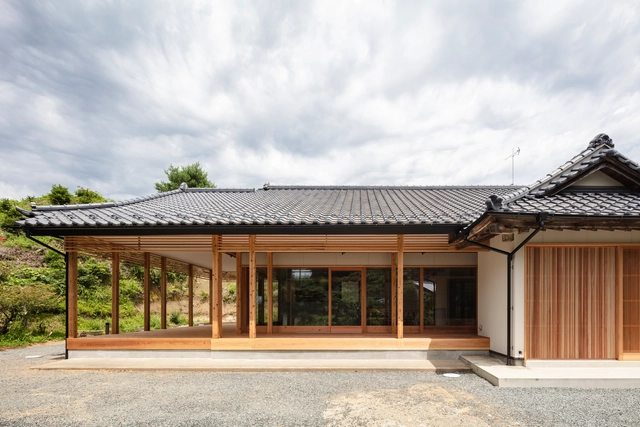
When thinking about Japan, the first thing that comes to mind is the bustling streets of Tokyo, old fortified castles, and the cherry blossom-lined rivers in the urban areas. However, little is discussed regarding a real estate market problem currently ongoing in the country: Akiya, a Japanese term that translates to an empty house. In 2024, the number of Akiya in Japan went up to a record high of nine million units. Some believe that at the root of the issue is depopulation. When homes are passed down through family inheritance, they frequently become burdens rather than assets. As younger generations increasingly move to cities or live in apartments, they usually have no interest in living in or maintaining the old family home, especially if it's located in a less convenient or rural area. Cities like Tokyo see a smaller number of Akiya due to the elevated price of the land. Nonetheless, issues such as elevated costs of adapting the house to the new earthquake regulations and higher taxation on vacant land, still cause people to abandon them even in urban areas.

Old Homes, New Stories: 11 Traditional Japanese Homes Renovated for Modern Living  - Image 1 of 4Old Homes, New Stories: 11 Traditional Japanese Homes Renovated for Modern Living  - Image 2 of 4Old Homes, New Stories: 11 Traditional Japanese Homes Renovated for Modern Living  - Image 3 of 4Old Homes, New Stories: 11 Traditional Japanese Homes Renovated for Modern Living  - Image 4 of 4Old Homes, New Stories: 11 Traditional Japanese Homes Renovated for Modern Living  - More Images+ 7