


-
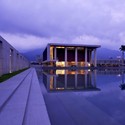
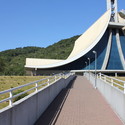
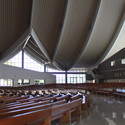
Architects: HS Arquitetos
- Area: 9616 m²
- Year: 2006


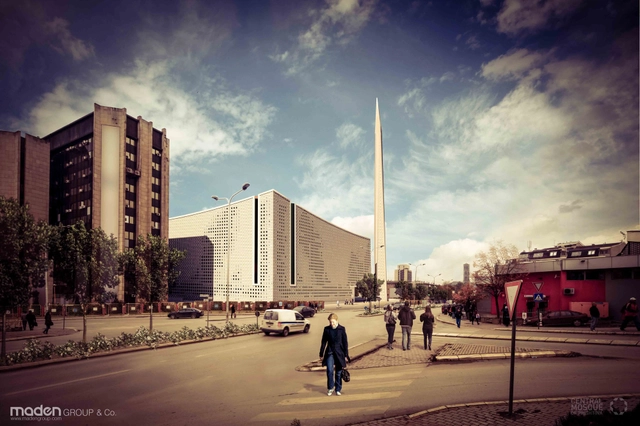
The idea behind the proposal for the Central Mosque of Pristina comes from the first religious needs and the study of the earliest styles of mosque architecture in Kosovo. Designed by Maden GROUP, the concept is to convey tradition through contemporary architecture while combining in the best mode of architecture and religious rules. Therefore, the architects developed in geometric foundations, by combining simple geometrical elements. More images and architects’ description after the break.
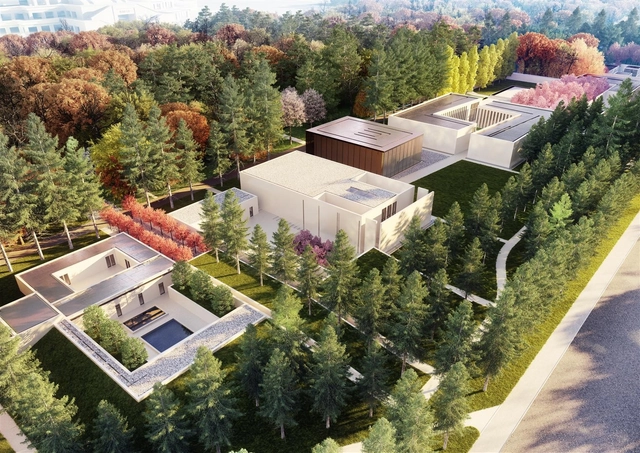
Following OAC’s win in the international design competition and completion of the master plan for the Famen Temple Zen Meditation Center in 2012, the architects recently completed the schematic designs for the buildings, landscape, and experiential features and art installations for meditation in the first phase of the project called the ‘Eightfold Path Forest’. As part of the new cultural master plan development on the site of the renowned 1,800 year-old Famen Buddhist Temple (aka Dharma Gate Temple) outside Xi’an, China, this project is one of the largest architectural and landscape commissions in the world focused around an historic religious temple.More images and architects' description after the break.
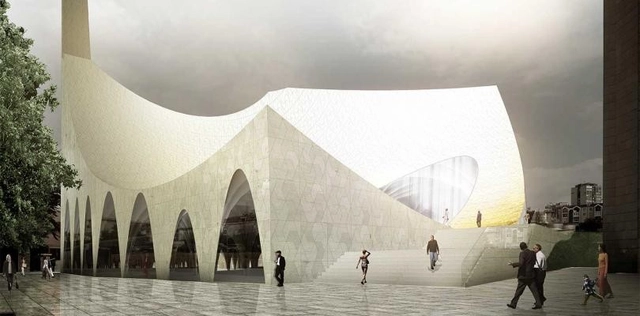
Designed by APTUM Architecture, their proposal for the Central Mosque of Pristina, titled MI’RAJ, is about a journey of ascension to prayer and the spatial experience that evolves. As the ascension to prayer begins, a sequence of events unfolds. As a result of the Islamic community of Pristina searching for a unifying symbol and identity that can bring together many disparate mosques scattered throughout the city, the proposal harnesses that need and brings together a sense of place and provides public space for the greater good of the community. More images and architects' description after the break.
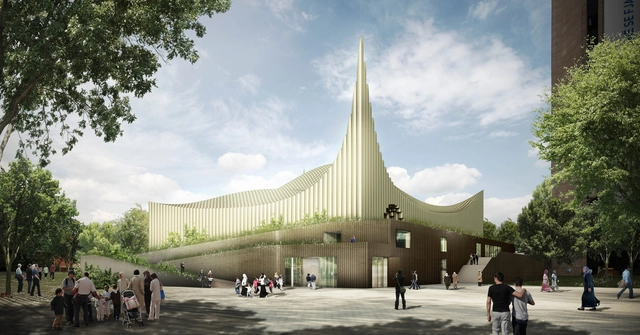
Designed by Taller 301 and Land+Civilization Compositions, their main idea for the Central Mosque of Pristina is to re-interpret the elements that constitute the Mosque, without pushing the limits of the already established principles of Islamic Architecture. Located in Kosovo, a country rich in tradition and has confronted tough issues in recent years, the project intends to look back, and to see the way forward. More images and architects’ description after the break.
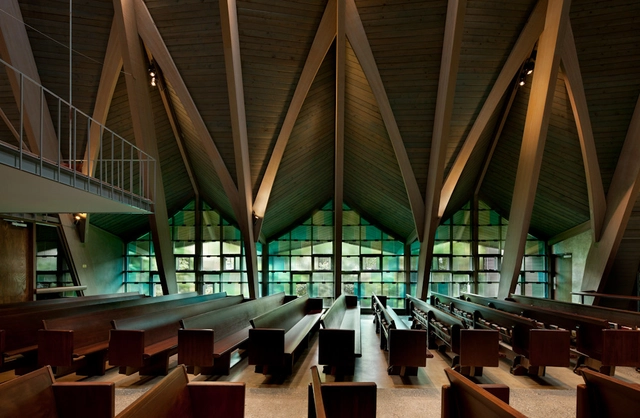
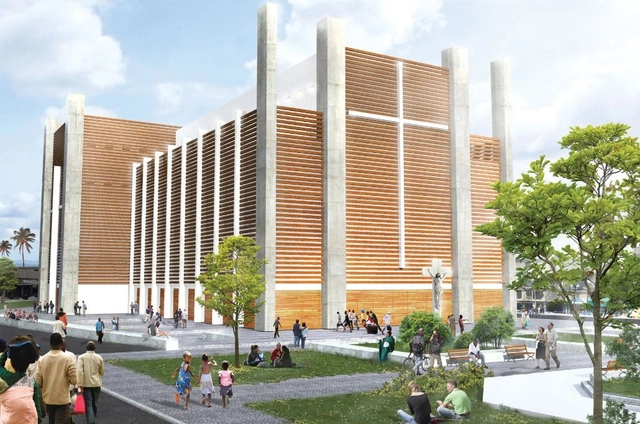
Designed by TABB Architecture, their proposal for the Notre Dame de l’Assomption Cathedral in Port au Prince optimizes resources, producing designed solutions and teaming up for a change. Designing a New Cathedral for Port-au-Prince,not only will imply a beautiful, energy saving, affordable building, but a complete strategy plan to generate the labor force in order to sustain the local economy, teaching people construction techniques to support future needs. More images and architects' description after the break.

Shigeru Ban just can’t get enough of paper tubes. The Japanese architect, renowned for his design of structures that can be quickly and inexpensively erected in disaster zones, is at it again in the city of Christchurch, New Zealand, which was hit hard by a devastating earthquake last February. The earthquake of magnitude 6.3 killed over 200 people and inflicted irreparable damage on the city’s iconic gothic cathedral of 132 years. The cathedral was a copy of one in Oxford, England, and was one of the most famous landmarks of the Christchurch, pictured on postcards, souvenirs and tea towels.
A pioneer in so-called “emergency architecture,” Shigeru Ban has begun construction on a highly anticipated, unique replacement: a simple A-frame structure composed of paper tubes of equal length and 20 foot containers. The tubes will be coated with waterproof polyurethane and flame retardants that the architect has been developing since 1986 - years before environmental friendliness and the use of inexpensive recycled materials were even a concern in architecture.
Read more about Ban's visionary Cardboard Cathedral after the break...
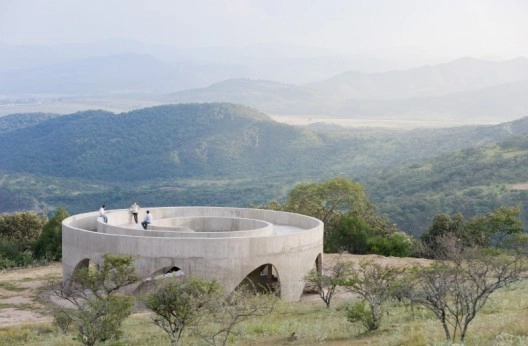




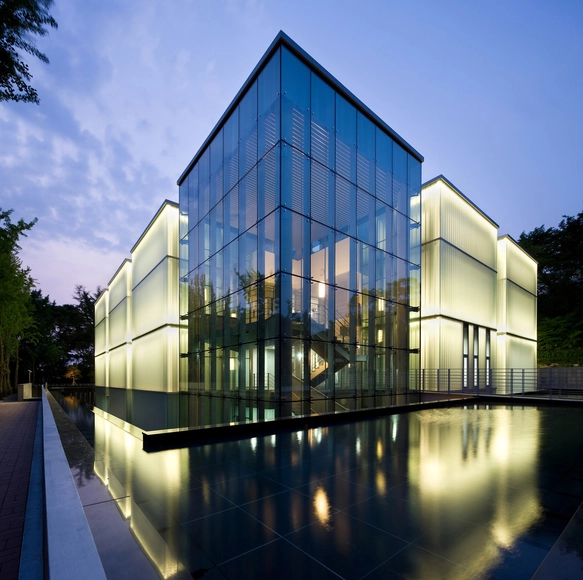


Serving as the foremost resting place for Minnesota’s distinguished citizens, the Lakewood Garden Mausoleum, designed by HGA, is a treasured landmark and community asset in the city’s neighborhood. The video above captures its pastoral quality and embraces the landscape while offering a contemplative interior experience. It also highlights the design’s relationship between natural light and nature, which strengthens the connection between the spiritual and the earth-bound.