
-
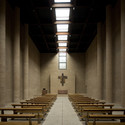
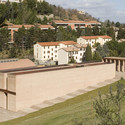
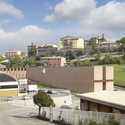
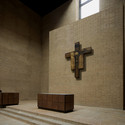
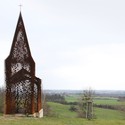
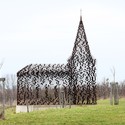
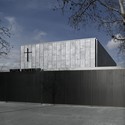
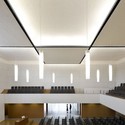
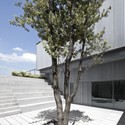
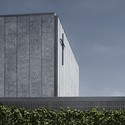
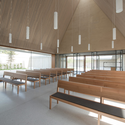
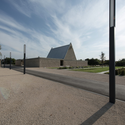
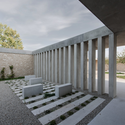
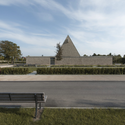
Architects: Studio Zermani e Associati
- Year: 2012


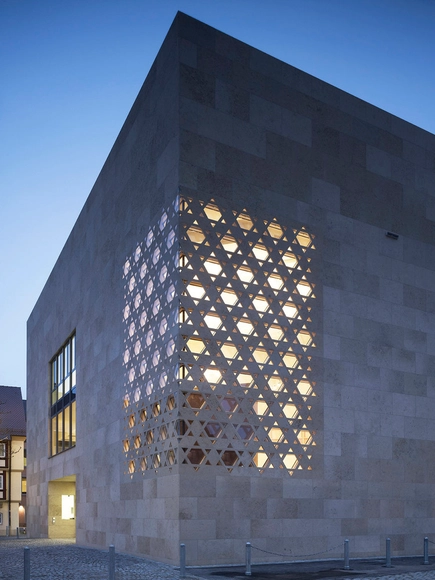
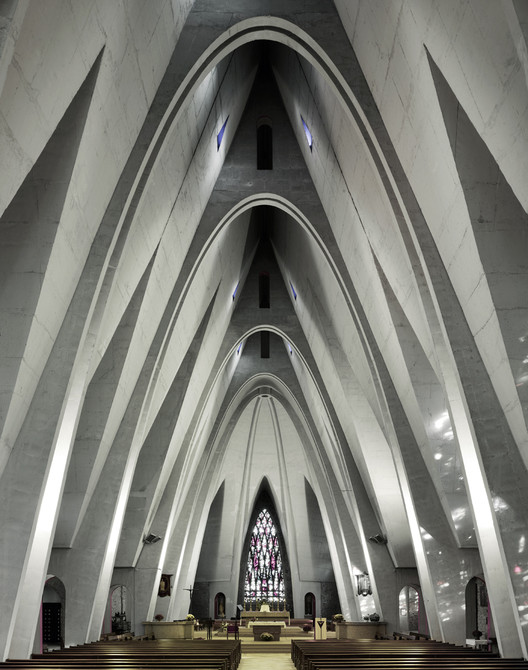
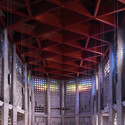
As Europe recovered from the death and destruction of World War II, countries got back to the business of rebuilding their communities and, of course, their churches. The need to make sense of the madness of the War was palpable - as was the need to express this modern-day spirituality in a form that broke from the past and embraced this new world.
The result was a bevy of European churches that - although often misunderstood by practitioners - represent some of our best-preserved examples of Modernist architecture. Photographer Fabrice Fouillet made it his mission to photograph these beauties in a series he calls "Corpus Christi." You can see the images - as well as Fouillet's description of the work - after the break...

The main purpose of the design for the Istanbul Camlica Mosque, which won the second prize in the architectural competition, was to create the largest worship place that has ever been designed, and cover it with one single roof. SN Architects successfully did this by using the load bearing properties of one of the traditional systems that often used “vault systems” and using contemporary architectural and engineering facilities. More images and architects’ description after the break.

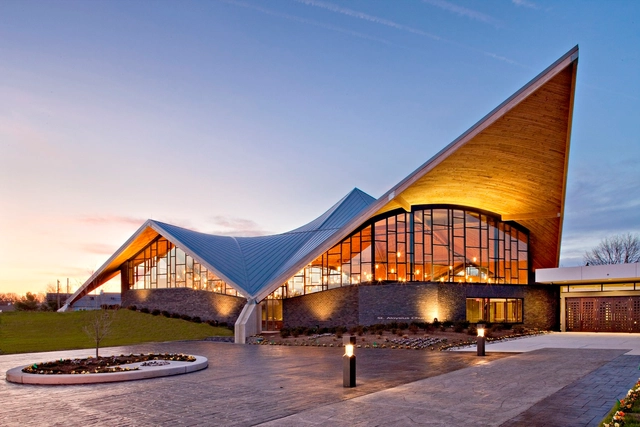

Architects: OAB
Location: Terrassa, Spain
Project Architects: Carlos Ferrater y Lucía Ferrater
Technical Architect: Enric Betlinski
Project Year: 2010
Photographs: Alejo Bagué
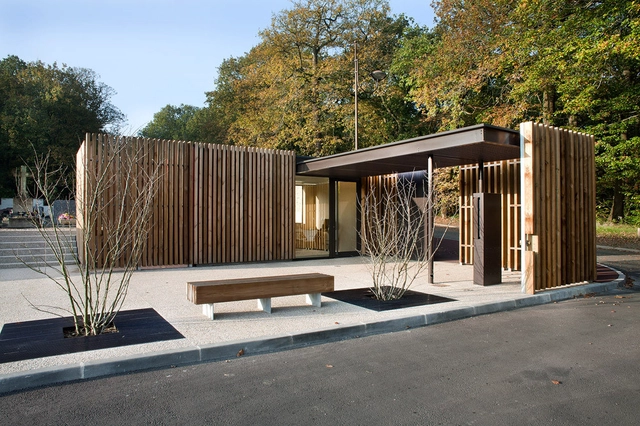


The project proposal for the new Santa Maria Parish Center in Bonavista offers a specific solution to the needs of the program and the liturgy. By focusing on the two premises recurrent throughout the history of the Catholic Church, monumentality and mystery, the design becomes a singular and transcendent space. Designed by Gimeno Guitart Architects, they believe the church, as a collective and community space, must be vindicated as a social and urban event as well as a place for prayer and retreat. More images and architects’ description after the break.


Designed by Urban Playground, the ‘Lighthouse for the Dutchman’ project was proposed for the chapel at the entry of the Los Dutchman State Park in Phoenix, Arizona. Through a rearrangement of an embryological, mathematical reference known as “Shrek’s Surface”, spatial varieties are derived as a way to alter the combined experiences of both the spiritual and natural environment in the Arizona desert. The prototypical, curved surface is morphed and manipulated, creating contextual and functional relationships that are then translated into a series of parameters for the building’s morphology. More images and architects’ description after the break.