1. ArchDaily
  2. renaturalization

renaturalization: The Latest Architecture and News

Absorb, Filter, Store: 9 Projects Showcasing How Sponge Cities Adapt to Climate Challenges

Subscriber Access | 

The concept of "sponge cities" has gained prominence since it was introduced by Chinese landscape architect Kongjian Yu, founder of Turenscape, and was officially adopted as a national policy in China in 2013 to combat urban flooding. This approach prioritizes nature-based infrastructure such as wetlands, rain gardens, and permeable pavements, creating landscapes with porous soil where native plants can thrive with minimal maintenance. When it rains, these systems absorb and slow down water flow, reducing flood risks. In contrast, traditional concrete- and pipe-based drainage solutions, though widely used, are costly, rigid, and require frequent maintenance, sometimes even making cities more vulnerable to flooding due to blockages and overflows.
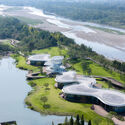
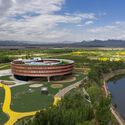
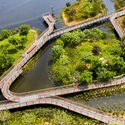
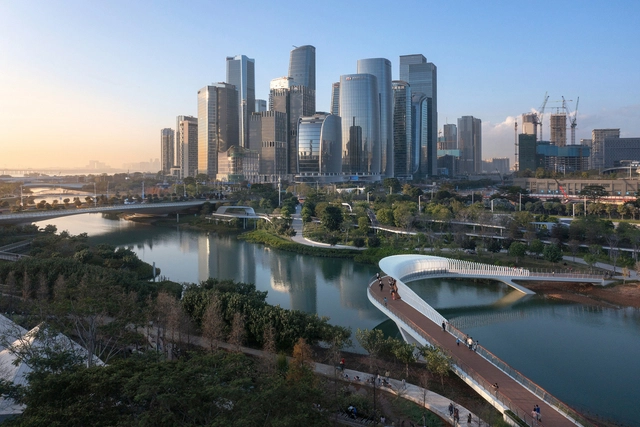
Absorb, Filter, Store: 9 Projects  Showcasing How Sponge Cities Adapt to Climate Challenges - Image 1 of 4Absorb, Filter, Store: 9 Projects  Showcasing How Sponge Cities Adapt to Climate Challenges - Image 2 of 4Absorb, Filter, Store: 9 Projects  Showcasing How Sponge Cities Adapt to Climate Challenges - Image 3 of 4Absorb, Filter, Store: 9 Projects  Showcasing How Sponge Cities Adapt to Climate Challenges - Image 4 of 4Absorb, Filter, Store: 9 Projects  Showcasing How Sponge Cities Adapt to Climate Challenges - More Images+ 5

From Concrete to Green Canopies: Revitalizing Cities Through Natural Design

The journey toward renaturalizing urban spaces is an ongoing effort that began as early as the 1970s and continues to shape cities worldwide today. From transforming highways into vibrant parks to restoring waterways and integrating nature into urban planning, these projects reflect a shared commitment to sustainability, livability, and resilience. In Portland, the 1978 creation of Tom McCall Waterfront Park set a pioneering example by replacing a highway with green spaces. Decades later, Boston followed with the Rose Kennedy Greenway, reclaiming land from the elevated Central Artery.

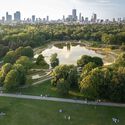
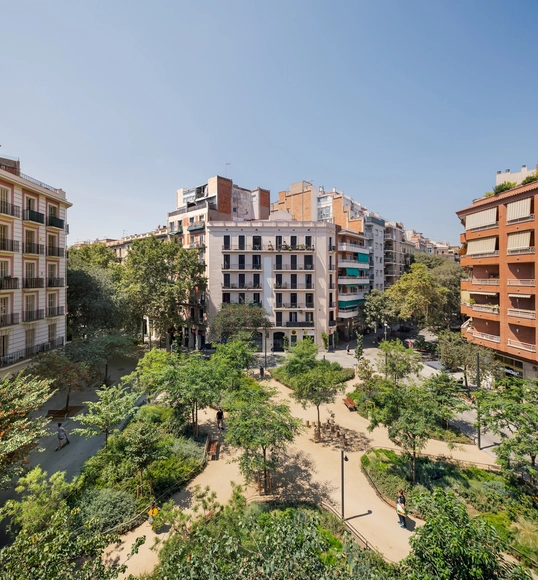
From Concrete to Green Canopies: Revitalizing Cities Through Natural Design - Image 1 of 4From Concrete to Green Canopies: Revitalizing Cities Through Natural Design - Image 2 of 4From Concrete to Green Canopies: Revitalizing Cities Through Natural Design - Image 3 of 4From Concrete to Green Canopies: Revitalizing Cities Through Natural Design - Image 4 of 4From Concrete to Green Canopies: Revitalizing Cities Through Natural Design - More Images+ 3