1. ArchDaily
  2. Reutilization

Reutilization: The Latest Architecture and News

How Can Transport Infrastructures Take On a New Lease of Life?

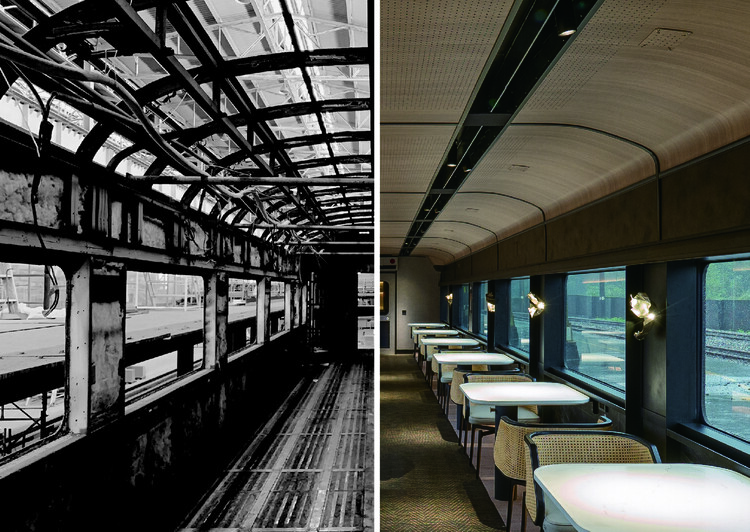
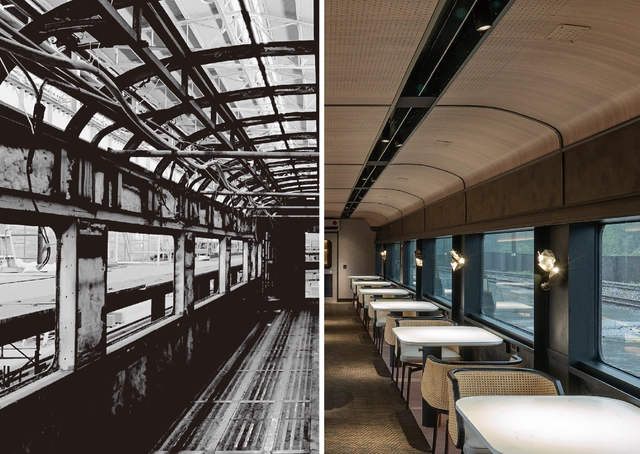
Faced with the combined forces of population growth, economic prosperity, and urban expansion, cities are witnessing a significant rise in the movement of people and goods—mirroring the evolution of diverse mobility systems within urban environments. As technologies advance and modes of transport evolve, the adaptive reuse of train carriages, airplane cabins, and other service infrastructures reveals opportunities to explore their creative potential. Materials, technologies, and design tools converge around a shared goal: refurbishing and repurposing disused structures to give them new life.


How Can Transport Infrastructures Take On a New Lease of Life? - Image 1 of 4How Can Transport Infrastructures Take On a New Lease of Life? - Image 2 of 4How Can Transport Infrastructures Take On a New Lease of Life? - Image 3 of 4How Can Transport Infrastructures Take On a New Lease of Life? - Image 4 of 4How Can Transport Infrastructures Take On a New Lease of Life? - More Images+ 12

10 Architectural Projects that Give New Life to Recycled Doors and Windows

When a material runs its course and becomes obsolete, whether because of wear and tear, a change of style, a tear-down, or a remodel, many are tempted to simply toss it into a scrap heap and send it to the landfill. In the grand majority of cases, however, these materials can be repaired, recycled, and reused in a vast array of creative endeavors. Of course, depending on the material and its characteristics, this can also present a challenge. In the case of windows and doors, particular care must be taken to keep them intact throughout the dismantling or demolition process and even afterwards, an inspection may be necessary to determine their viability for future use. Of course, many avoid the path of re-utilization altogether and opt for new materials that make for an easier and more uniform project.

Low-Cost Design: Urban Installations and Pavilions Built with Recycled Pallets

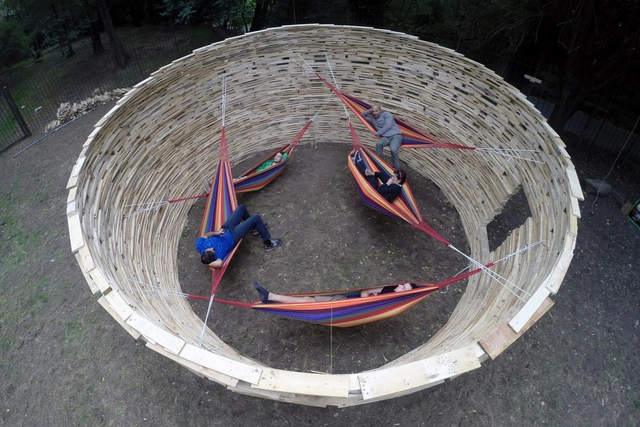
Commonly used as storage support for products in supermarket stocks and fairs, pallets are versatile. After their primary function has been discarded, the reuse of pallets for other purposes is increasingly common, collaborating to the reduction of the amount of waste discarded, especially as raw material for the creation of furniture and decks. However, going beyond the commonly highlighted  DIY furniture tutorials on youtube, these structures are gaining ground as the main element in the construction of ephemeral architecture, such as small pavilions and urban installations. In fact, these small pieces can be stacked and united together in different ways and patterns.