1. ArchDaily
  2. São Paulo Criação

São Paulo Criação: The Latest Architecture and News

Extending Roofs from Brazil to India: Parallel Residential Design Elements as Seen in 10 Projects

Subscriber Access | 

It shouldn't be too surprising that architectural concepts were traveling around the globe long before the online spread of information. While many regions share certain historical events and hence references (such as colonization and the mid-20th-century independence movement/ turn of political systems), others might have simply developed parallel solutions to similar climates and material availability. Additionally, it was only natural that with the dissemination of a more uniform architectural pedagogy acquired while studying abroad, followed by the internet boom, we would find almost twin projects from every corner of the world. While these might look nearly identical from some angles, they might bear different layers and stories. Then again, they might also display the same reasoning and prompts shared by counterparts from across the seas.

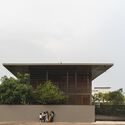
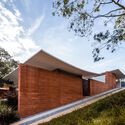
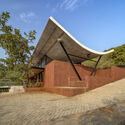
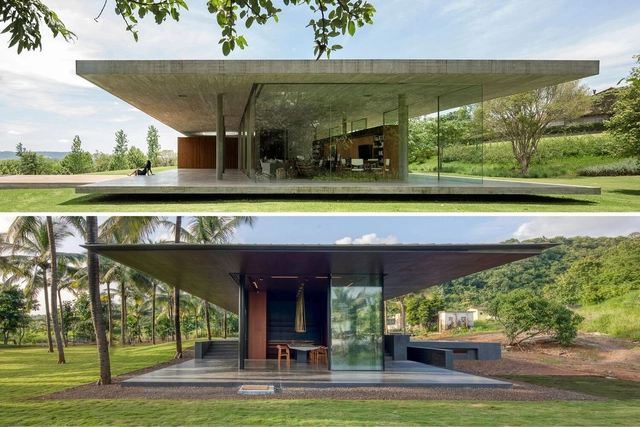
Extending Roofs from Brazil to India: Parallel Residential Design Elements as Seen in 10 Projects - Image 1 of 4Extending Roofs from Brazil to India: Parallel Residential Design Elements as Seen in 10 Projects - Image 2 of 4Extending Roofs from Brazil to India: Parallel Residential Design Elements as Seen in 10 Projects - Image 3 of 4Extending Roofs from Brazil to India: Parallel Residential Design Elements as Seen in 10 Projects - Image 4 of 4Extending Roofs from Brazil to India: Parallel Residential Design Elements as Seen in 10 Projects - More Images+ 6

Building Walls with Demolition Waste: The Poetry of Cyclopean Concrete

Subscriber Access | 

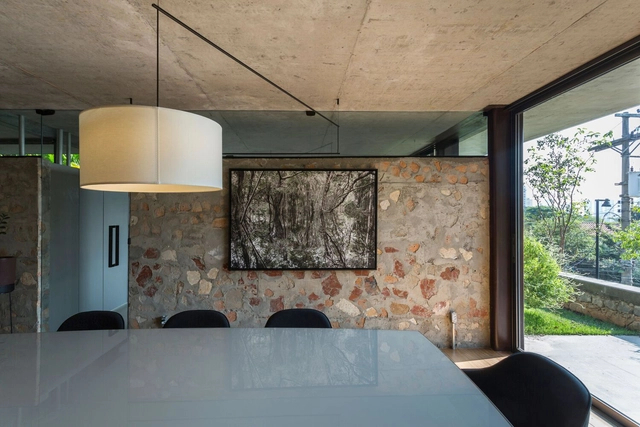
Ancient cyclopean walls were built by overlapping raw stones, supported one on the other, without the use of mortar. The name derives from the Cyclops, the giants of Greek mythology, as their construction required seemingly superhuman effort due to the weight and difficulty of lifting and fitting each wall piece. Cyclopic concrete, in turn, mixes this ancient constructive technique with contemporary materials and techniques. What sets it apart from traditional concrete is essentially the size of the coarse aggregate, which is traditionally composed of stones but can also include brick or concrete remains. Our Projects section includes examples of this constructive technique, which, unlike the cyclopes, clearly carries traces of the workers who built it. We talked to Rafic Jorge Farah, from São Paulo Criação Office, about his experience with this technique in recent works.