1. ArchDaily
  2. self-build

self-build: The Latest Architecture and News

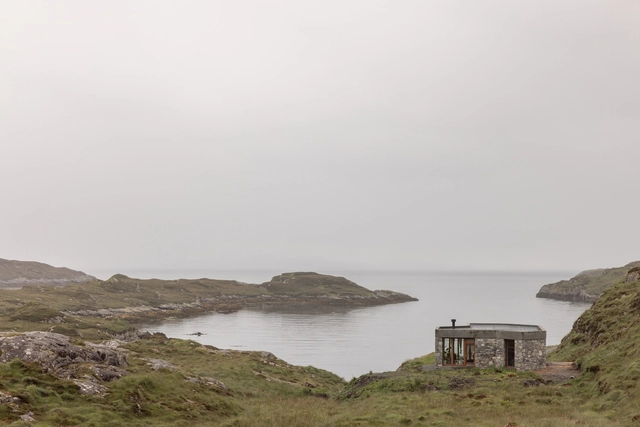
Izat Arundell’s “Caochan na Creige” Wins RIBA House of the Year 2025 Award

Caochan na Creige, designed by Izat Arundell, has been announced as the winner of the RIBA House of the Year 2025 award. The timber-framed, stone-clad self-build is located in Scotland's Outer Hebrides, occupying a compact rural plot defined by exposed weather conditions and a distinct geological setting. Built by and for its architect owners, the house was selected for its clear response to site constraints, its material strategy, and the consistency between design intent and construction.

Izat Arundell’s “Caochan na Creige” Wins RIBA House of the Year 2025 Award - Image 1 of 4Izat Arundell’s “Caochan na Creige” Wins RIBA House of the Year 2025 Award - Image 2 of 4Izat Arundell’s “Caochan na Creige” Wins RIBA House of the Year 2025 Award - Image 3 of 4Izat Arundell’s “Caochan na Creige” Wins RIBA House of the Year 2025 Award - Image 4 of 4Izat Arundell’s “Caochan na Creige” Wins RIBA House of the Year 2025 Award - More Images

UAE Pavilion Explores Conservation and Heritage for Future Applications in Expo 2025 Osaka

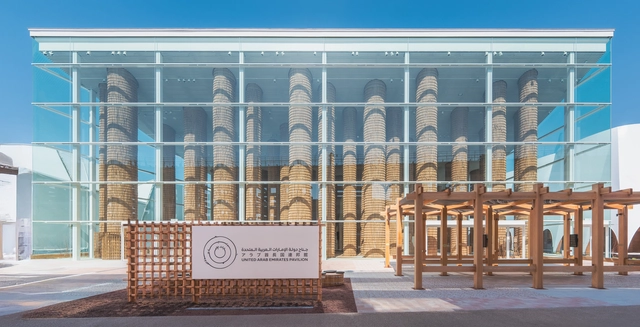
The UAE Pavilion at Expo 2025 Osaka, titled "Earth to Ether," presents an immersive, multisensory experience that narrates the story of the United Arab Emirates, from its cultural heritage and core values to its forward-looking innovations. Inspired by the symbolic date palm, the pavilion reimagines areesh, a traditional form of Emirati vernacular architecture, by combining agricultural byproducts from date palms with refined Japanese woodworking techniques. Opened in April 2025, under the theme "Designing Future Society for Our Lives," the pavilion is located in the "Empowering Lives" zone. Designed to work under the broader theme, the UAE Pavilion offers diverse programming and interactive exhibits and serves as a collaborative platform for co-creating solutions that "drive collective progress."

UAE Pavilion Explores Conservation and Heritage for Future Applications in Expo 2025 Osaka - Image 1 of 4UAE Pavilion Explores Conservation and Heritage for Future Applications in Expo 2025 Osaka - Image 2 of 4UAE Pavilion Explores Conservation and Heritage for Future Applications in Expo 2025 Osaka - Image 3 of 4UAE Pavilion Explores Conservation and Heritage for Future Applications in Expo 2025 Osaka - Image 4 of 4UAE Pavilion Explores Conservation and Heritage for Future Applications in Expo 2025 Osaka - More Images+ 6

What Role Do Materials and Construction Systems Play in Democratizing Architecture?

“Architecture does not change anything. It’s always on the side of the wealthy.” With these words, Oscar Niemeyer referred to architecture as being a privilege mostly destined to the upper class – a statement that has historically proven to be true, even as some would like to deny it. Today, only 2% of all houses around the world are designed by architects. This is largely due to the fact that, to the average consumer, architect-designed homes continue to be perceived as expensive and esoteric products available only to this select few; a luxury that many cannot fathom to afford, especially as housing prices rise. Ultimately, this makes good design inaccessible for certain segments, forcing them to settle for precarious living conditions in standardized spaces that fail to take their needs into account (that is, if they even have access to housing).

How Could Modern Self-Build Communities Challenge the Role of the Architect?

Subscriber Access | 

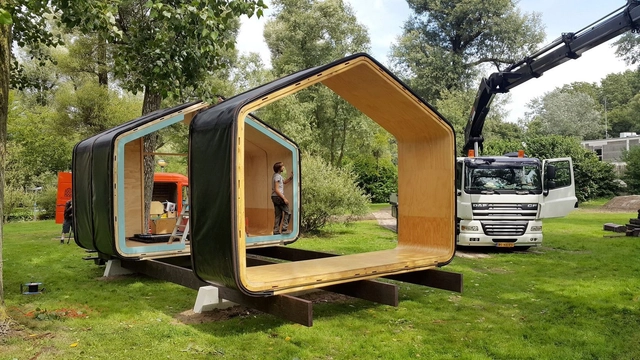
Self-build”: no mention of an architect, or anyone else for that matter. Maybe it’s a prehistoric urge that makes this idea so enticing; our earliest ancestors constructed their primitive huts to suit their unique needs and reflect their status or style. “Self-build” promises to physically re-connect people to the homes they live in.

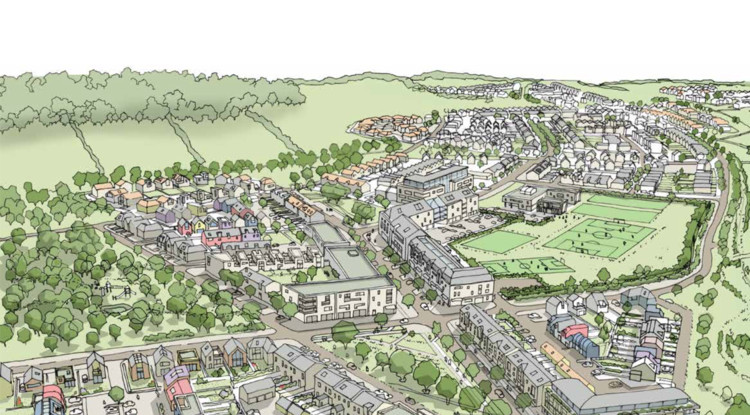
However, the romantic notion of "self-build" housing is rarely compatible with the modern reality we live in. Building has become increasingly clouded by the difficulty of procuring land, excessive governmental red-tape, and an increase in building complexity. While self-build remains the purest form of this dream, there are now a series of nuanced processes that can help us achieve similar results. As a new generation of communities that encourage this dream emerges, we must look at the role the architect plays within them.

How Could Modern Self-Build Communities Challenge the Role of the Architect? - Image 5 of 4How Could Modern Self-Build Communities Challenge the Role of the Architect? - Image 6 of 4How Could Modern Self-Build Communities Challenge the Role of the Architect? - Image 4 of 4How Could Modern Self-Build Communities Challenge the Role of the Architect? - Image 7 of 4How Could Modern Self-Build Communities Challenge the Role of the Architect? - More Images+ 4