1. ArchDaily
  2. Sensory Urbanism

Sensory Urbanism: The Latest Architecture and News

Designing with Empathy: From Smart to Sensitive Cities

Subscriber Access | 

The future of cities has long been defined by intelligence: networks of sensors, data, and engineered systems. From traffic-flow algorithms to climate dashboards, the smart city promised to make urban life optimized, measurable, and predictable. Yet amid this technological abundance, something essential feels absent: sensitivity. Cities are becoming increasingly equipped to process information but less able to perceive atmosphere, emotion, or care.

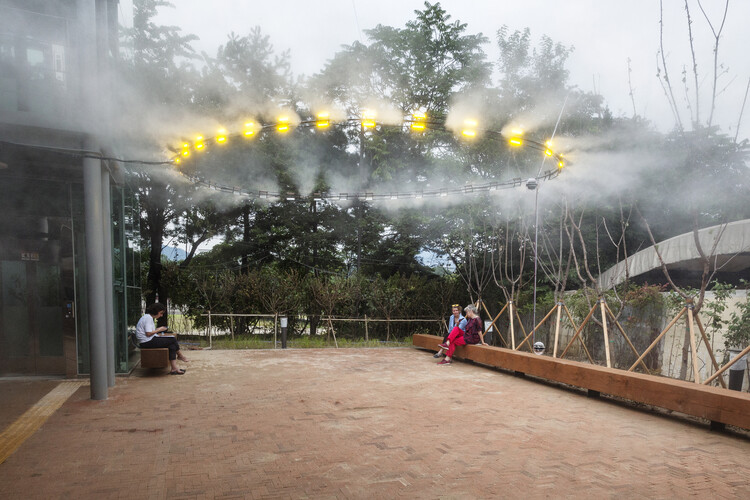
As recent global debates on urban innovation reveal, the next challenge is not about adding more devices but cultivating new forms of awareness. A sensitive city listens to its climate, adapts to its inhabitants, and responds to the subtle rhythms of the environment. In this shift from computation to perception, architecture and urban design are rediscovering intelligence as a form of empathy.

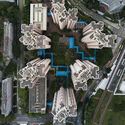
Designing with Empathy: From Smart to Sensitive Cities - Image 1 of 4Designing with Empathy: From Smart to Sensitive Cities - Image 2 of 4Designing with Empathy: From Smart to Sensitive Cities - Image 3 of 4Designing with Empathy: From Smart to Sensitive Cities - Image 4 of 4Designing with Empathy: From Smart to Sensitive Cities - More Images+ 14

Urban Revitalization Through Motion: 9 Public Swings That Invite Play

Subscriber Access | 

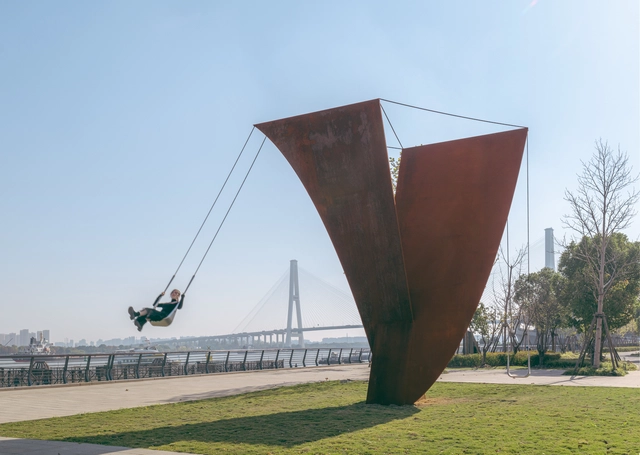
In the productivity-driven dynamics of contemporary cities, playful interventions in public spaces offer an innovative way to reclaim urban environments. These interventions encourage new ways of thinking and acting, temporarily breaking the monotony of everyday life and redefining the concept of play. Once confined to childhood and separate from daily activities, play has begun to intertwine with routine paths, becoming an integral part of urban life even outside traditional leisure times. In this way, reintroducing the swing—the most iconic children's toy—becomes particularly significant. As a symbol of childhood, pleasure, and joy, the swing contrasts sharply with the rigid appropriations of most public spaces, inviting a more relaxed and playful engagement with the urban environment. On June 11th, the UN International Day of Play reminds us of the benefits of incorporating diverse activities into urban spaces, for both children and adults, fostering community, creativity, and well-being.

Urban Revitalization Through Motion: 9 Public Swings That Invite Play - Image 1 of 4Urban Revitalization Through Motion: 9 Public Swings That Invite Play - Image 2 of 4Urban Revitalization Through Motion: 9 Public Swings That Invite Play - Image 3 of 4Urban Revitalization Through Motion: 9 Public Swings That Invite Play - Image 4 of 4Urban Revitalization Through Motion: 9 Public Swings That Invite Play - More Images+ 8

What Is Sensory Urbanism?

Subscriber Access | 

Sensory urbanism is a form of investigation of how non-visual information defines a city's character and affects its livability. Using methods that range from sound tracks and smell maps, wearables and virtual reality, researchers in this area have introduced other senses to urban centers.