1. ArchDaily
  2. Serralves Museum of Contemporary Art

Serralves Museum of Contemporary Art: The Latest Architecture and News

"The Century of Gehry": Frank Gehry Retrospective Opens at the Serralves Museum in Porto

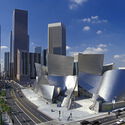
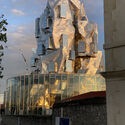
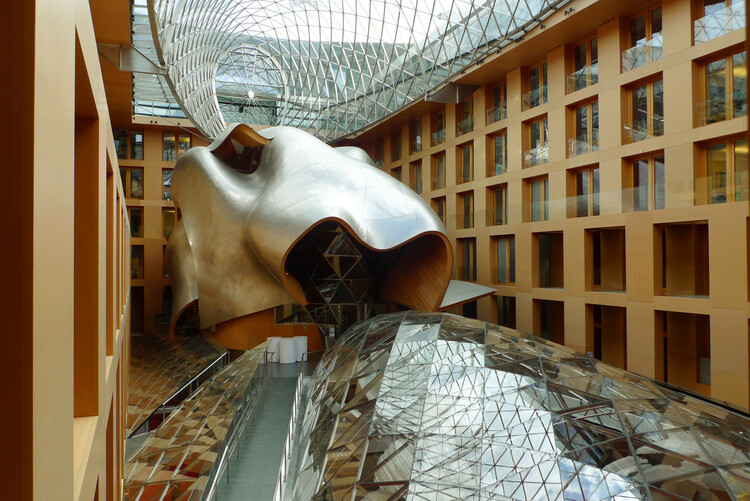
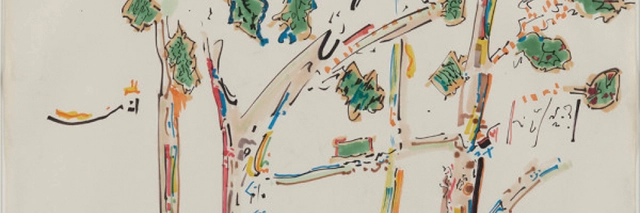
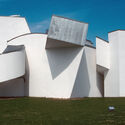
From June 12 to December 20, 2026, the Serralves Museum of Contemporary Art in Porto, Portugal, will be hosting a retrospective exhibition dedicated to the career of Frank Gehry (1929-2025). Titled The Century of Gehry, the exhibition presents to the public original large-scale models, sculptures, drawings, furniture, and other works documenting the architect's notable, and at times controversial, postmodern architecture. The exhibit covers from early experiments to iconic buildings such as the architect's house in Santa Mónica, the Guggenheim Museum in Bilbao, the Fondation Louis Vuitton in Paris, and the Walt Disney Concert Hall in Los Angeles. The Serralves Museum occupies a building designed by the Portuguese architect Álvaro Siza Vieira in 1991. The exhibition is housed in the new wing that bears his name.
"The Century of Gehry": Frank Gehry Retrospective Opens at the Serralves Museum in Porto - Image 1 of 4"The Century of Gehry": Frank Gehry Retrospective Opens at the Serralves Museum in Porto - Image 2 of 4"The Century of Gehry": Frank Gehry Retrospective Opens at the Serralves Museum in Porto - Image 3 of 4"The Century of Gehry": Frank Gehry Retrospective Opens at the Serralves Museum in Porto - Image 4 of 4The Century of Gehry: Frank Gehry Retrospective Opens at the Serralves Museum in Porto - More Images+ 12

Porto Architecture City Guide: 24 Sites Showcasing the Essence of Portugal's Invincible City

Subscriber Access | 

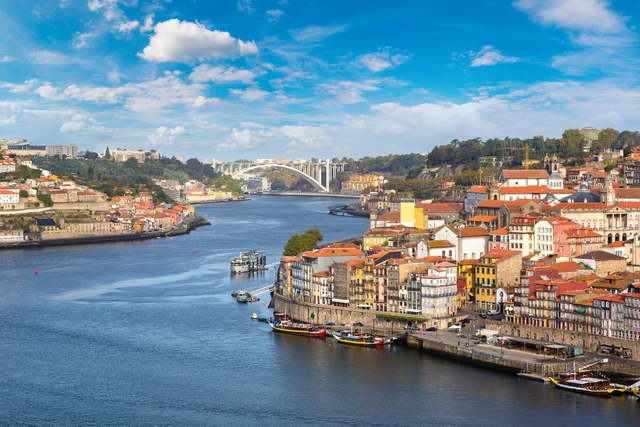
Porto, Portugal's second-largest city, is a captivating blend of historical charm and contemporary innovation. Perched along the Douro River, this UNESCO World Heritage site boasts a rich architectural tapestry that spans centuries. Porto's urban landscape is a testament to its evolving identity from its medieval Ribeira district with narrow cobblestone streets to the iconic Luís I Bridge. The city's skyline is punctuated by Baroque churches, neoclassical palaces, and modernist structures, creating a visually striking contrast that reflects its dynamic history.

Porto has undergone a remarkable architectural renaissance in recent years, becoming a magnet for local and international talent. The city has evolved into a dynamic canvas where bold contemporary designs seamlessly integrate with its rich historical fabric. The influence of renowned architects like Álvaro Siza Vieira and Eduardo Souto de Moura, both Pritzker Prize laureates and native to Porto, has solidified the city's status as a key player on the global architectural stage. Among the city's most striking contemporary landmarks is the Casa da Música, a futuristic, diamond-shaped cultural center designed by Dutch architect Rem Koolhaas, which stands as a testament to Porto's forward-thinking spirit. This sophisticated blend of tradition and modernity, coupled with a strong commitment to urban regeneration, has transformed Porto into a vibrant hub of architectural innovation, making it a must-visit destination for architecture enthusiasts and cultural explorers

Porto Architecture City Guide: 24 Sites Showcasing the Essence of Portugal's Invincible City - Image 1 of 4Porto Architecture City Guide: 24 Sites Showcasing the Essence of Portugal's Invincible City - Image 2 of 4Porto Architecture City Guide: 24 Sites Showcasing the Essence of Portugal's Invincible City - Image 3 of 4Porto Architecture City Guide: 24 Sites Showcasing the Essence of Portugal's Invincible City - Image 4 of 4Porto Architecture City Guide: 24 Sites Showcasing the Essence of Portugal's Invincible City - More Images+ 21

Serralves Museum Presents ‘Splitting, Cutting, Writing, Drawing, Eating… Gordon Matta-Clark’

Gordon Matta-Clark (1943-1978) is one of the most influential artists of the 1970s, whose work has continued to be a noted influence of both architects and visual artists since. SPLITTING, CUTTING, WRITING, DRAWING, EATING…GORDON MATTA-CLARK surveys the constructive and destructive verbs that defined his relation to art and architecture, featuring correspondence, drawings, photographs, notebooks, and films related to the artist's key projects, drawn from the archive of the Canadian Centre for Architecture, Montréal. Along with his major building cuts from 1973 to 1978, in which laboriously cut holes into floors of abandoned or disused buildings, including A W-Hole House, Conical Intersect, Day's End, and Splitting (1974), the exhibition also explores his interest in metabolic and cooking processes, including his restaurant Food (1971); his play with language and the syntax of voids, gaps, and abandoned spaces; and the use of drawing as a mode of thinking through space.The exhibition will focus on these social and creative aspects of Matta-Clark´s conception of architecture, or as he put it, "making space without building it."

Serralves Museum of Contemporary Art Presents “Raw Material: A View of the Archive of Álvaro Siza”

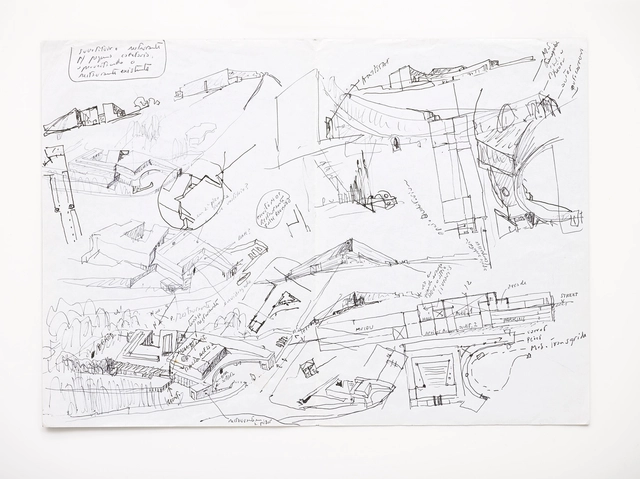
Description from The Serralves Museum of Contemporary Art: The first of a developing programme at the Serralves Museum of Contemporary Art of exhibitions talks and events dedicated to contemporary architecture, ‘Raw Material’ presents plans, sketches, correspondence and photographs that offer a fuller understanding of the process of architectural design, beyond the self-sufficiency of the realized project. This will be the first exhibition to draw upon the recent gift to the Fundação de Serralves of 40 projects from the archive of Álvaro Siza as part of a collaboration between Fundação de Serralves, the Canadian Centre for Architecture in Montreal and Fundação Calouste Gulbenkian in Lisbon.

Álvaro Siza’s practice is distinguished by his use of drawing as a working instrument in the prefiguration of forms and spaces within the process that brings him successively closer to the desired result. But an archive is more than just a set of drawings. The architect’s correspondence with his clients, the photographic record of the places where the works are to be built, relations with regulatory authorities and the opinions of the multiple actors involved in the construction processes, the models that support the perception of the proposals, the minutes of meetings and reports of the tensions arising at the building sites are documents that record an infinite number of episodes that remain invisible in the finished work. Offering insight into their contingent processes, the exhibition also offers invaluable understanding of the processes associated with the inventory, classification, and conservation of Siza’s archive, which will serve as a focus for future research and discussion about the role of architecture in contemporary society.